- Must-see highlights: Clear turquoise waters, coral reef formations, and a sweeping volcanic bay.
- Unique fact: Hanauma Bay’s striking scenery has appeared in Hollywood films, including Blue Hawaii starring Elvis Presley.
- Current use: A protected marine sanctuary and popular snorkel destination, visited by nature lovers and photographers from around the world.
Hanauma Bay: The jewel of Oahu’s coastline
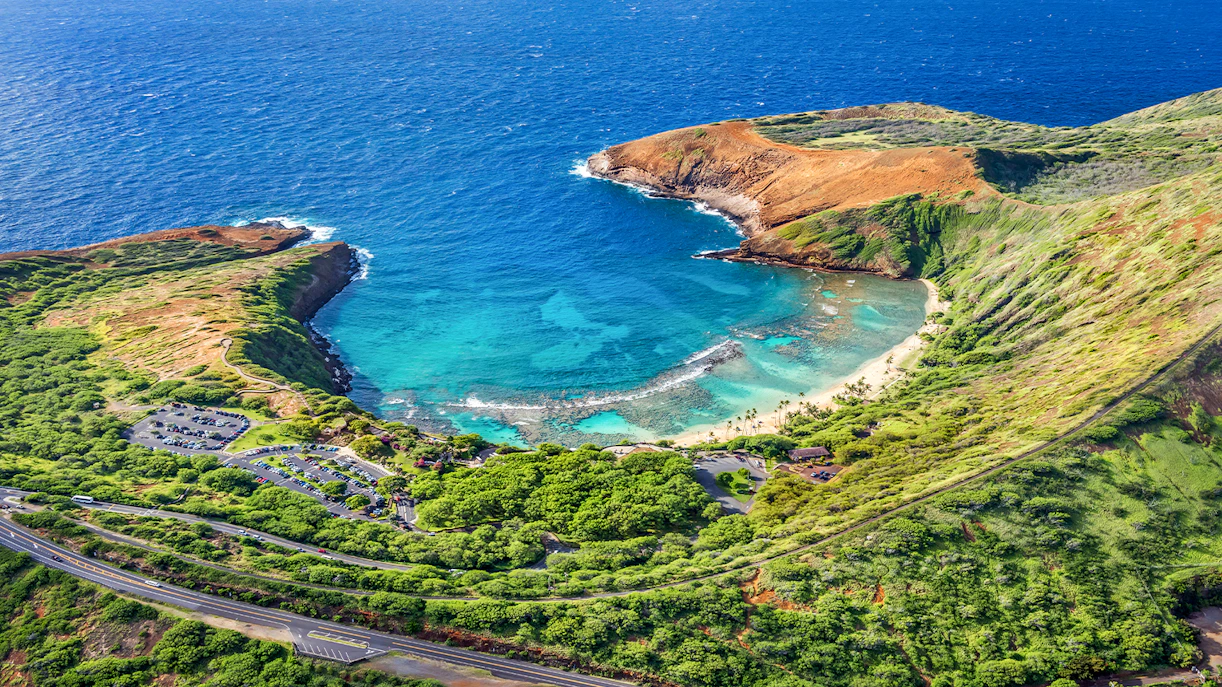
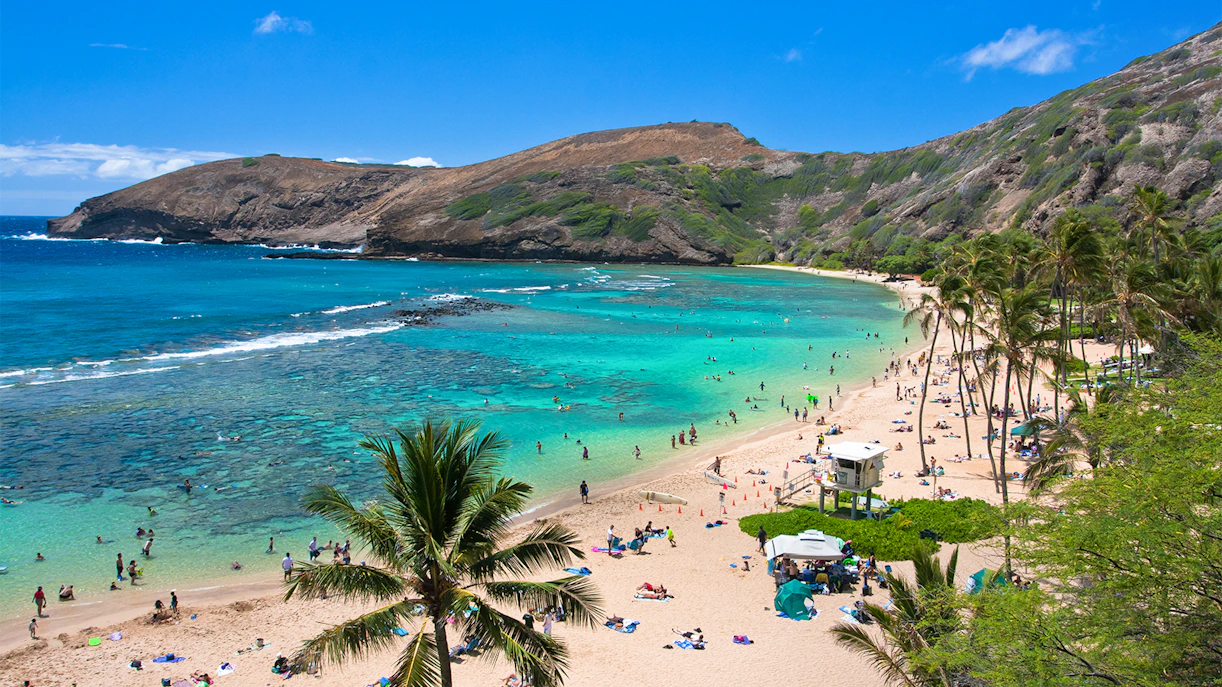
Formed within a volcanic crater, Hanauma Bay is one of Oahu’s most beautiful natural landmarks. It is renowned for its crystal-clear waters, rich marine life, and coral reefs. The bay is a favorite snorkeling site on the island, with its striking horseshoe shape framed by green ridges and the Pacific horizon, making it picture-perfect.
Where is it located?
Hanauma Bay lies on Oahu’s southeastern shore, about 25 mins east of Waikiki, along the Kalanianaʻole Highway coastal route.
How to access?
The bay is part of the Hanauma Bay Nature Preserve, managed to protect its marine environment. Entry to the preserve is limited and requires a paid reservation. However, many sightseeing tours, including the Grand Circle Island Oahu Full-Day Tour, pass by the scenic overlook above the bay.
Hanauma Bay in a nutshell
What to do at Hanauma Bay
1/5
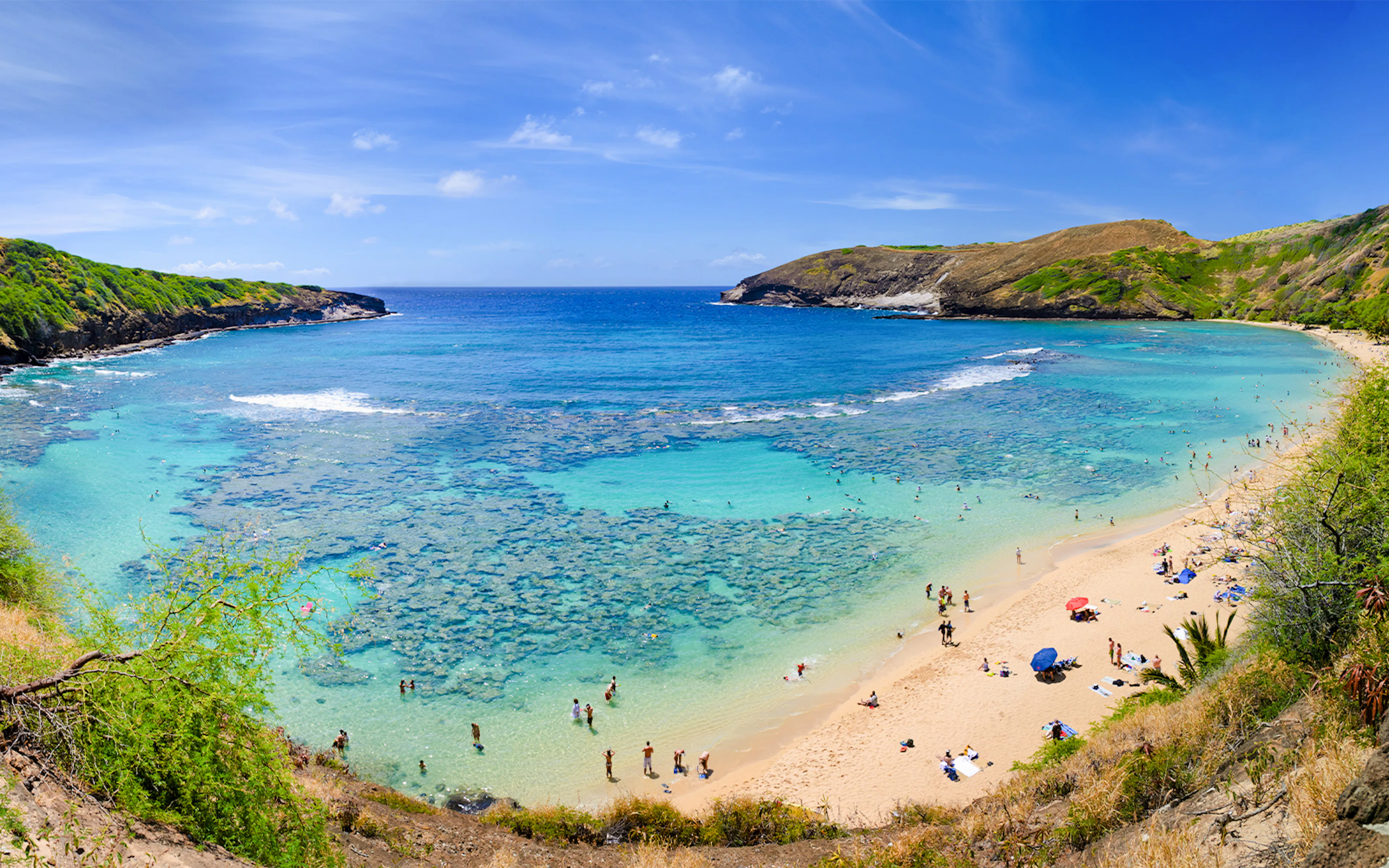
Admire the coastal views
From the scenic overlook, you’ll get unforgettable views of the crescent-shaped bay, its turquoise shallows, and the coral reef patterns below. You can see the vivid blues of the ocean meet the rugged volcanic ridges for a panorama that captures Hawaii’s coastal beauty.
Spot marine life from above
Even without entering the water, you can sometimes glimpse sea turtles or reef fish near the shore from the lookout, especially on calm, sunny days. With a good pair of binoculars, you might even catch sight of parrotfish grazing on coral or the shimmering movements of schools of reef fish in the shallows.
Take memorable photos
The viewpoint offers a perfect angle for wide shots of the entire bay framed by rugged volcanic cliffs. Bring a wide-angle lens or smartphone to capture the full curve of this iconic landscape, especially in the early morning light when the water glows with shades of turquoise, emerald, and deep blue.
Learn about its marine ecosystem
Interpretive signs at the overlook provide insight into Hanauma Bay’s volcanic origins, coral reef system, and conservation programs, explaining why this area is so ecologically important. The displays highlight how volcanic forces, ocean currents, and coral reefs all work together to create one of Oahu’s most diverse and delicate marine environments.
Enjoy the scenic drive
The coastal road that leads past Hanauma Bay continues toward Oahu’s rugged eastern shore, offering some of the island’s most spectacular ocean views and dramatic cliffs. As you wind along the Kalanianaʻole Highway, you’ll pass other landmarks like Koko Head Crater and Halona Blowhole.
The volcanic origins and history of Hanauma Bay
- 32,000 years ago: Volcanic eruptions on Oahu’s southeastern coast create a tuff cone when magma interacts explosively with seawater. Over time, the ocean breaches the crater wall, flooding it and forming the crescent-shaped bay.
- Pre-1700s: Native Hawaiians fish and gather along Hanauma Bay’s shores, relying on its abundant marine life for food and using the surrounding land for small settlements.
- 1800s: Hawaiian royalty, including King Kamehameha I and his successors, visit Hanauma Bay for fishing and leisure, making it a favored retreat for ali‘i (Hawaiian nobility).
- 1930s–1950s: The bay becomes a popular recreation spot for locals and US military personnel stationed nearby, long before formal conservation programs are established.
- 1967: Recognizing the need to protect its fragile coral reef, Hanauma Bay is declared Hawaii’s first Marine Life Conservation District, limiting fishing and preserving its marine habitat.
- 1990s: The City and County of Honolulu introduce strict visitor management rules and mandatory educational videos to reduce environmental impact, transforming Hanauma Bay into a model for marine conservation worldwide.
- 2020: Temporary closure during the pandemic allows marine life and coral to thrive again, proving the effectiveness of reduced human impact and inspiring new sustainability efforts.
- Present: Today, Hanauma Bay remains one of Hawaii’s most visited natural attractions, a protected marine sanctuary where you can admire nature’s beauty while learning about the island’s volcanic past and ecological importance.
Exploring Hanauma Bay’s unique geology and coastal formation
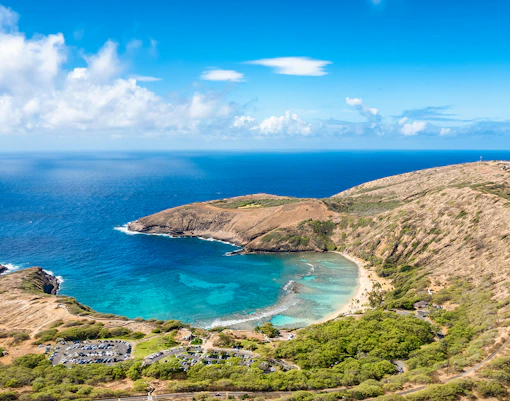
Volcanic origins
Hanauma Bay was formed about 32,000 years ago as part of Oahu’s southeastern volcanic activity. When magma explosively met seawater, it created a tuff cone whose crater eventually flooded, forming the bay’s characteristic crescent shape and calm, shallow waters.
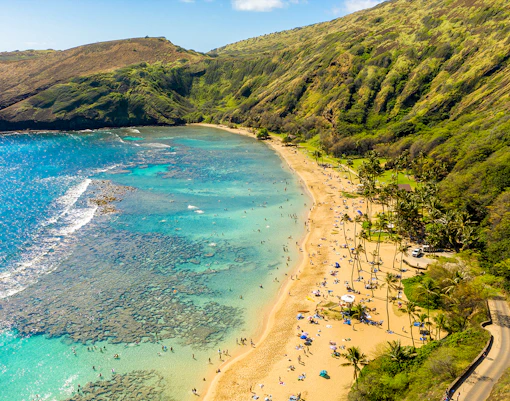
Crater and coral formation
The bay offers a clear view of how volcanic and oceanic forces shaped the land. Steep crater walls, layered ash deposits, and ancient lava remnants reveal the bay’s volcanic history, while the sheltered waters allowed coral reefs to flourish over thousands of years, creating one of Hawaii’s richest marine ecosystems.
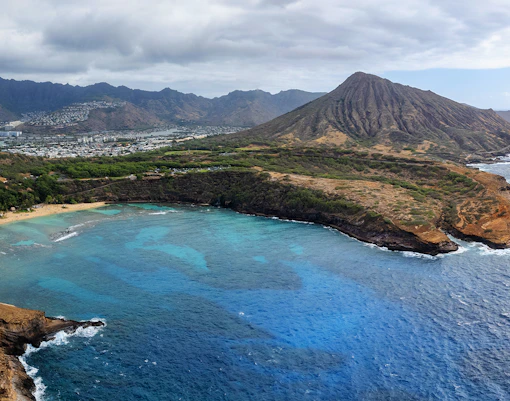
Erosion and natural sculpting
Waves, rainfall, and vegetation have gradually softened the crater edges, while the bay itself continues to evolve. The interaction of land and sea has carved cliffs, small coves, and sandy beaches, resulting in the iconic natural landscape visitors admire today.
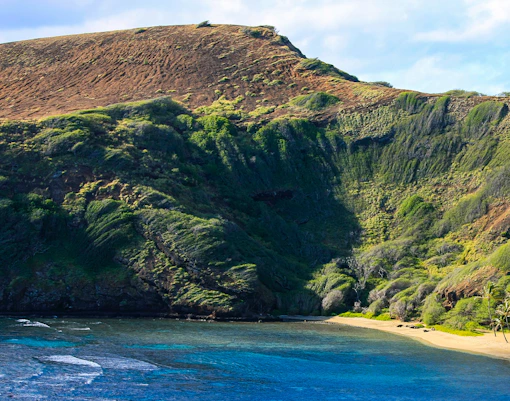
A living geological classroom
Hanauma Bay provides a rare opportunity to see the combined effects of volcanic activity, ocean erosion, and ecological development. From the overlook, you can appreciate the dramatic cliffs, calm turquoise waters, and reef-lined shores, all shaped by Hawaii’s dynamic geological forces.
Know before you go
Timings
- Open: Hanauma Bay Nature Preserve is open from 6:45am to 4pm, Wednesday to Sunday
- Closed: Mondays and Tuesdays
Location
- Address: Hanauma Bay Nature Preserve, 100 Hanauma Bay Rd, Honolulu, HI 96825, United States | Find on Maps
Accessibility
- The scenic overlook is easily accessible via paved walkways and parking areas.
- The beach area below requires a steep walk down (or tram ride) and is not suitable for those with mobility needs.
Facilities
- Restrooms, a visitor center, and limited parking are available at the preserve.
- The overlook area has designated photo points and informational displays.

- Go around 6:45am to 8:30am for the best views from the lookout. Morning light highlights the bay’s turquoise waters and coral reefs, and crowds are smaller at the scenic overlook, making it perfect for photos.
- Hanauma Bay is a protected marine sanctuary. Never feed fish, touch coral, or disturb wildlife to help preserve this delicate ecosystem.
- Bring binoculars or a camera with a zoom lense. The overlook provides a unique vantage point to spot turtles, reef fish, and the bay’s colorful coral patterns without entering the water.
- Guided trips like the Grand Circle Island Oahu Full-Day Tour let you enjoy Hanauma Bay’s scenic overlook without needing an entry reservation or worrying about parking.
Frequently asked questions about Hanauma Bay
Hanauma Bay is a protected marine sanctuary located within a volcanic crater, famous for its turquoise waters, coral reefs, and abundant marine life. Even a quick stop at the overlook provides spectacular views of its crescent-shaped coastline.
No, the Grand Circle Island Oahu Full-Day Tour includes a scenic pass-by. Snorkeling requires a separate reservation through the official Hanauma Bay Nature Preserve.
It’s on Oahu’s southeastern shore, about 25 mins east of Waikiki along the scenic Kalanianaʻole Highway, near Hawaii Kai and Koko Head.
For the scenic overlook, no ticket is needed; you can enjoy the view from the coastal road. Entry to the preserve and beach area requires a paid reservation, which must be booked online in advance.
Early morning visits to the overlook are ideal for softer sunlight, fewer crowds, and clearer water for spotting fish and turtles from the overlook. Mid-morning stops on tours still offer great panoramic views.
The overlook and roadside viewpoint are wheelchair accessible. Access to the beach and snorkeling areas involves a steep descent, so it is not suitable for everyone.
From above, you can often spot green sea turtles, schools of tropical fish, and vibrant coral reefs. Binoculars or zoom lenses enhance viewing opportunities.
Overfishing and heavy visitation in the past damaged the bay’s coral reefs. Today, strict visitor limits, conservation programs, and mandatory educational videos help preserve the marine ecosystem.
Yes, there are restrooms, parking, and informational signs at the scenic viewpoint. The overlook is designed for short stops and photo opportunities, not extended visits.
Absolutely. The lookout is on the Grand Circle Island Oahu Full-Day Tour route, making it easy to pair with views of Diamond Head, Halona Blowhole, and other southeastern coast landmarks.