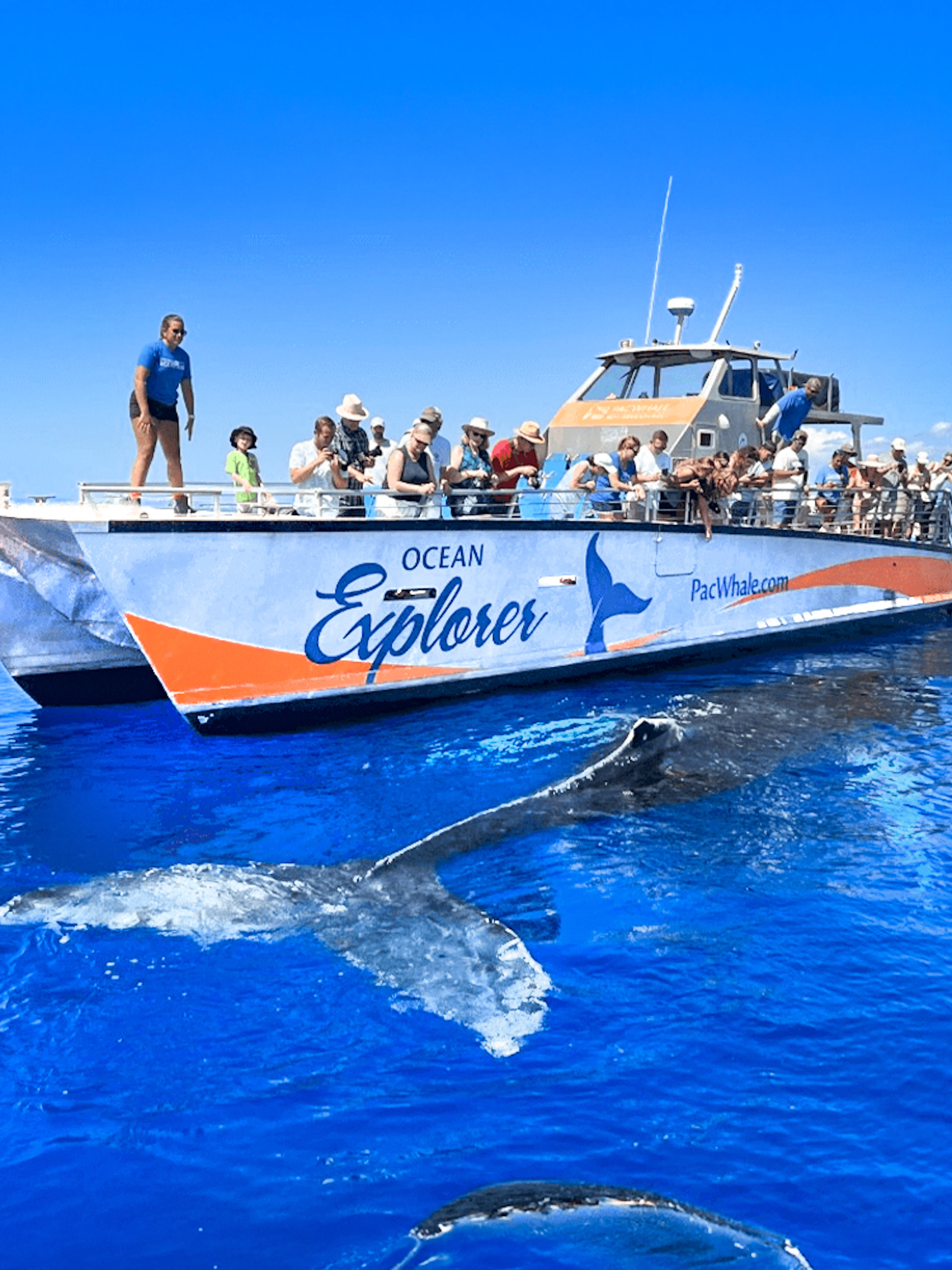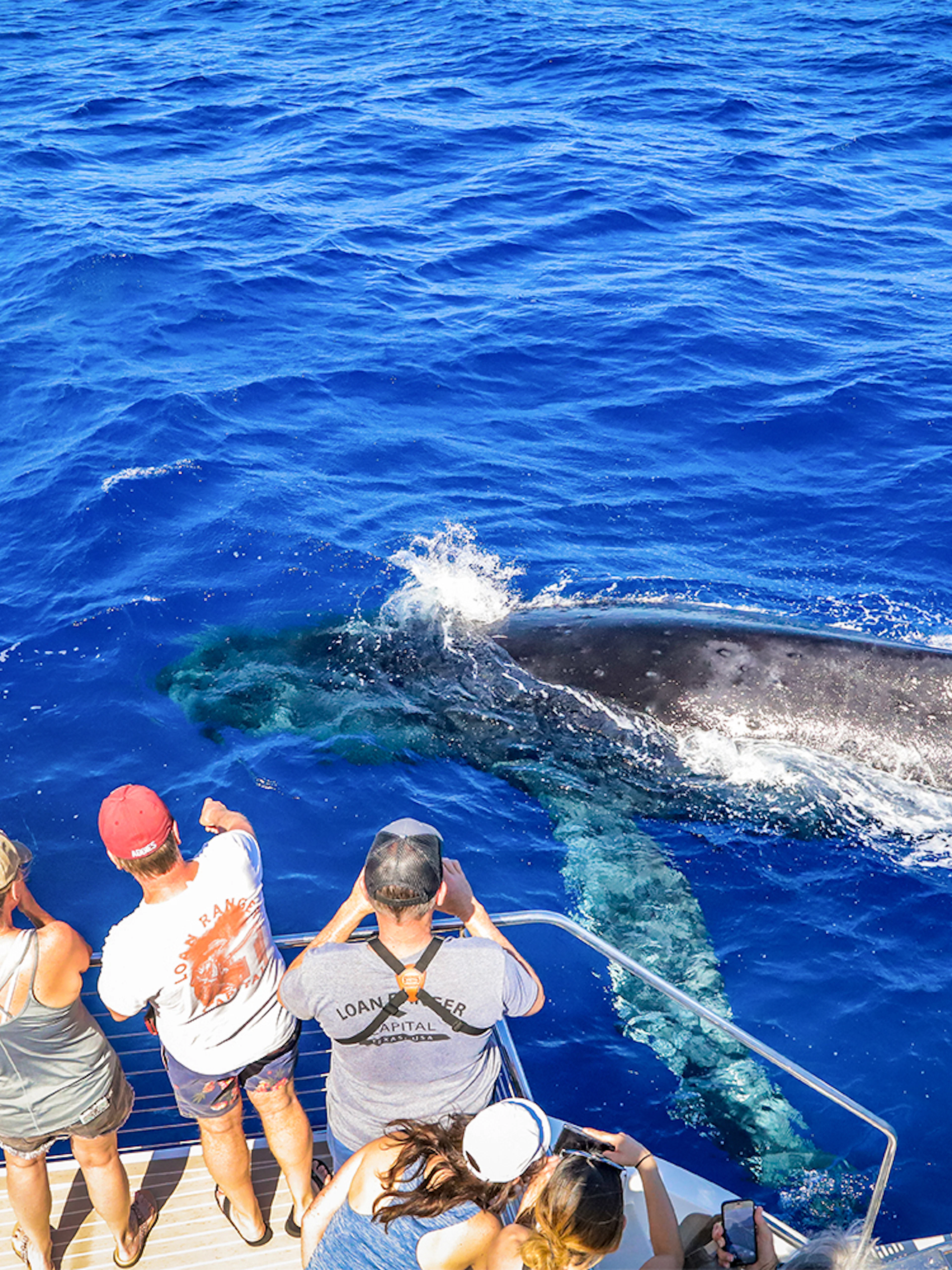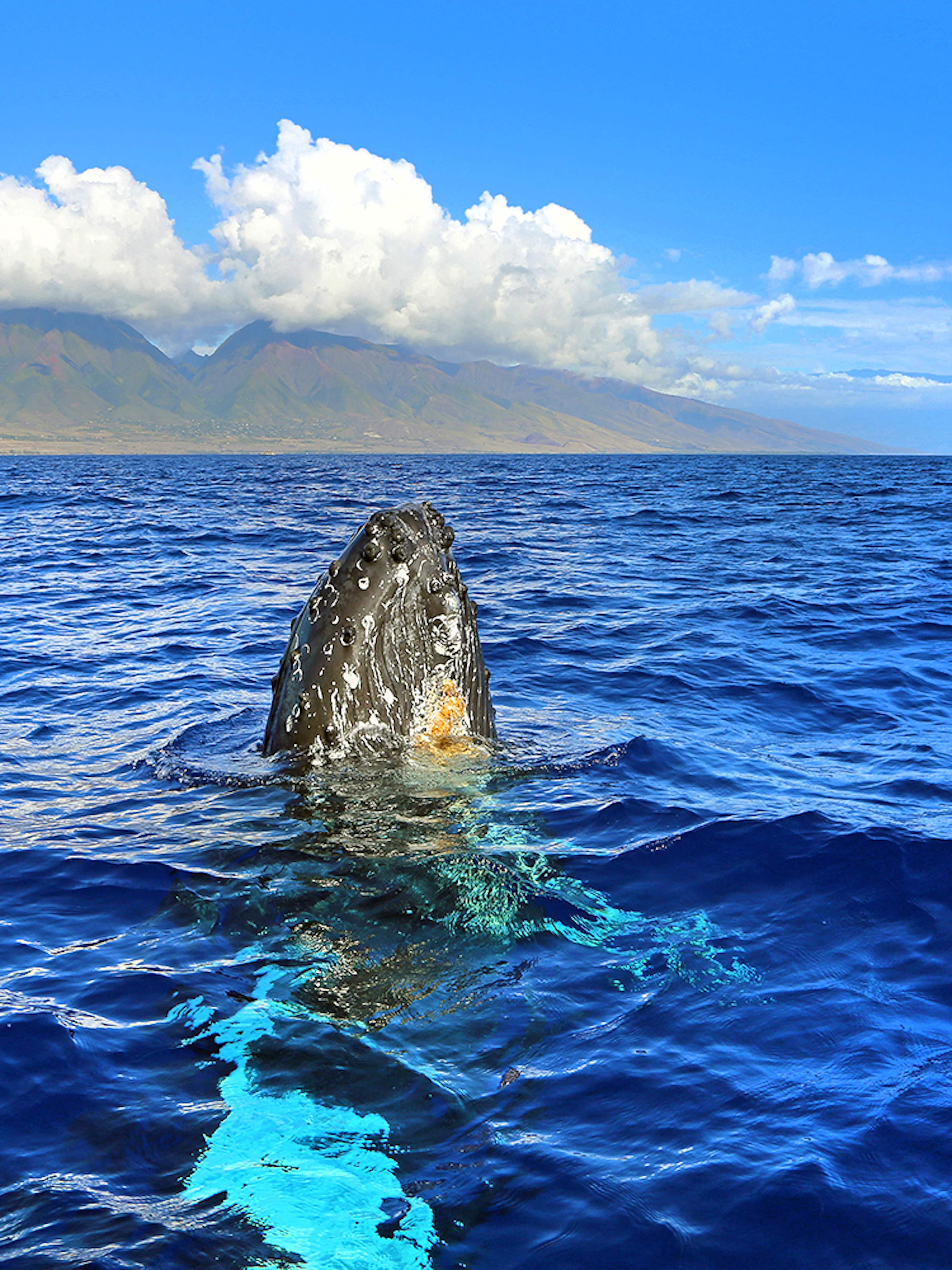




Maui Whale Watching Tours

HawaiiMaui Whale Watching

Things to know before booking your Maui whale watching tours

  • Timings: Whale watch cruises are seasonal, and typically take place from late-November to April, though actual dates may vary each year.
  • Guides: All your whale watch cruises include certified marine naturalist guides as a part of the experience.
  • Accessibility: Your cruises are wheelchair accessible, but might require advance notice in case of additional assistance.

- Maʻalaea Harbor: Tours departing from Maʻalaea Harbor docks offer wheelchair-accessible boarding ramps and ADA-compliant experiences. 

- Ka’anapali Beach: The Ka’anapali Beach boarding point can make it difficult to navigate the terrain on a mobility vehicle and might require advance notice for any assistance in boarding.

- Learn more about your boarding points here →

  • Catamaran cruises: Your Maui whale watch tours take place in 2 types of catamarans.

- Powered catamarans: The powered catamarans offers deeper exploration and covers more area during the tour.

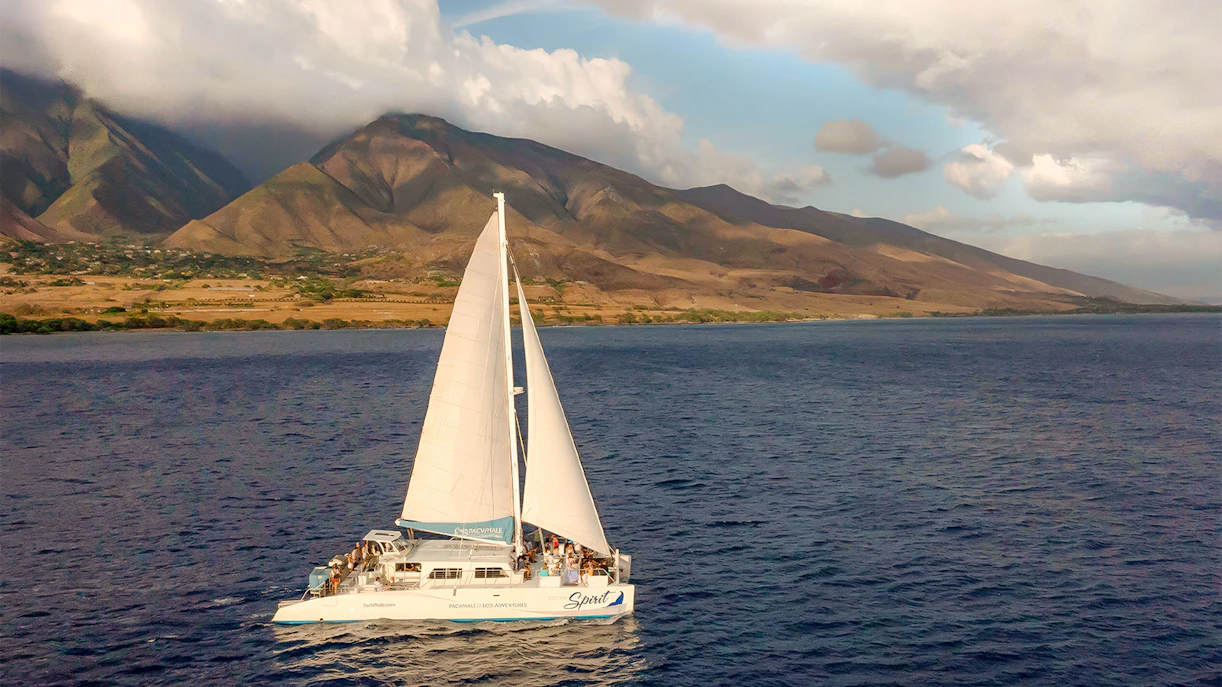
- Catamaran sails: The sail catamarans are more eco-friendly and use sails to navigate in the water. They offer a quieter, more scenic exploration with closer views.

  • Underwater hydrophones: Most whale watch cruises come with the live whale-song audio experience, using underwater hydrophones, except for the sunset and snorkel whale watch sail cruise from Maʻalaea Harbor.
  • Whale sighting guarantee: Most whale watching tours in Maui offer a whale sighting guarantee. 

- What it means: If you don’t spot a whale on your experience, you can return for a complimentary tour within a year.

- Which tour does not offer: The sunset and snorkel whale watch sail cruise from Maʻalaea Harbor operates as a sunset and snorkel cruise with a seasonal whale watch experience, so a whale watch guarantee is not included with your ticket.

- Likelihood of whale spotting: During the peak whale migration period, the chances of whale sighting can go up to 97% on a tour. 

  • When to book: Booking a few weeks in advance allows you to select the date, time, and tour type of your choosing, saving you any last-minute booking troubles.

- During peak season (Jan–Mar): Book at least 2-3 weeks in advance, especially for popular morning or sunset tours.

- Over holidays (Christmas, New Year, spring break): Reserve 3-4 weeks ahead.

- Early/late season: Booking at least a week in advance is usually sufficient.

Learn more about all your tour options below ↓

Did you know?

The hydrophones you use to listen to whale songs convert the sound pressure they detect underwater into electrical signals. These signals are transmitted using modern setups and relay the whale song audio in real-time, with little to no delay!

Did you know?

Your tour options explained

Tour
Duration
Inclusions
Guide
Food
Beverages
Highlights
Ideal for
Catamaran Whale Watch Cruise from Maʻalaea Harbor
2 hrs
Underwater hydrophones, Jr. Naturalist Program, onboard marine naturalist guides
Water
Jr. Naturalist Program designed for kids, live whale-song audio experience, expert narration from onboard guides/naturalists
Families with children, first-time visitors, marine life enthusiasts, nature lovers
Premium Sunset Whale Watch Sail with Snorkeling from Maʻalaea Harbor with Lunch and Cocktails
4 hrs
Sunset cruise, lunch, snorkeling, drinks, snacks, beverages, underwater hydrophones, Jr. Naturalist Program, onboard marine naturalist guides
Beginner-friendly snorkeling, sunset cruise, onboard meal, snacks, and drinks, with whale watching added during the whale watch season
Outdoor lovers, families with children, couples, active travelers, first-time visitors looking for a well-rounded experience on the water
Sailing Catamaran Whale Watch from Maʻalaea Harbor
2-2.5 hrs
Underwater hydrophones, Jr. Naturalist Program, onboard marine naturalist guides
Option-based
Option-based
Quieter, eco-friendly cruise on a sail catamaran, Jr. Naturalist Program designed for kids, live whale-song audio experience, expert narration from onboard guides/naturalists
Families with children, first-time visitors, marine life enthusiasts, nature lovers
Small-Group Catamaran Whale Watch Cruise from Maʻalaea Harbor
2 hrs
Smaller catamarans, underwater hydrophones, Jr. Naturalist Program, onboard marine naturalist guides
Water
Intimate, small-group experience, smaller catamaran for better viewing, Jr. Naturalist Program designed for kids, live whale-song audio experience, expert narration from onboard guides/naturalists
Families with older children, first-time visitors, marine life enthusiasts, nature lovers, those looking for a more intimate experience
Premium Catamaran Whale Watch from Ka’anapali Beach with Open Bar and Snacks
2-2.5 hrs
Underwater hydrophones, onboard marine naturalist guides, open bar, snacks, viewing nets
Convenient boarding location, open bar, snacks, option to add a meal, live whale-song audio experience, expert narration from onboard guides/naturalists
Families, large groups, first-time visitors, those looking for a more relaxed and luxurious experience
Catamaran Whale Watch from Ka’anapali Beach
2 hrs
Underwater hydrophones, onboard marine naturalist guides, viewing nets
Option-based
Option-based
Convenient boarding location, live whale-song audio experience, expert narration from onboard guides/naturalists, option to add an open bar, snacks, and meal
Families, large groups, first-time visitors, those looking for a more relaxed and convenient boarding location

Know your boarding points | Maʻalaea Harbor vs Ka’anapali Beach
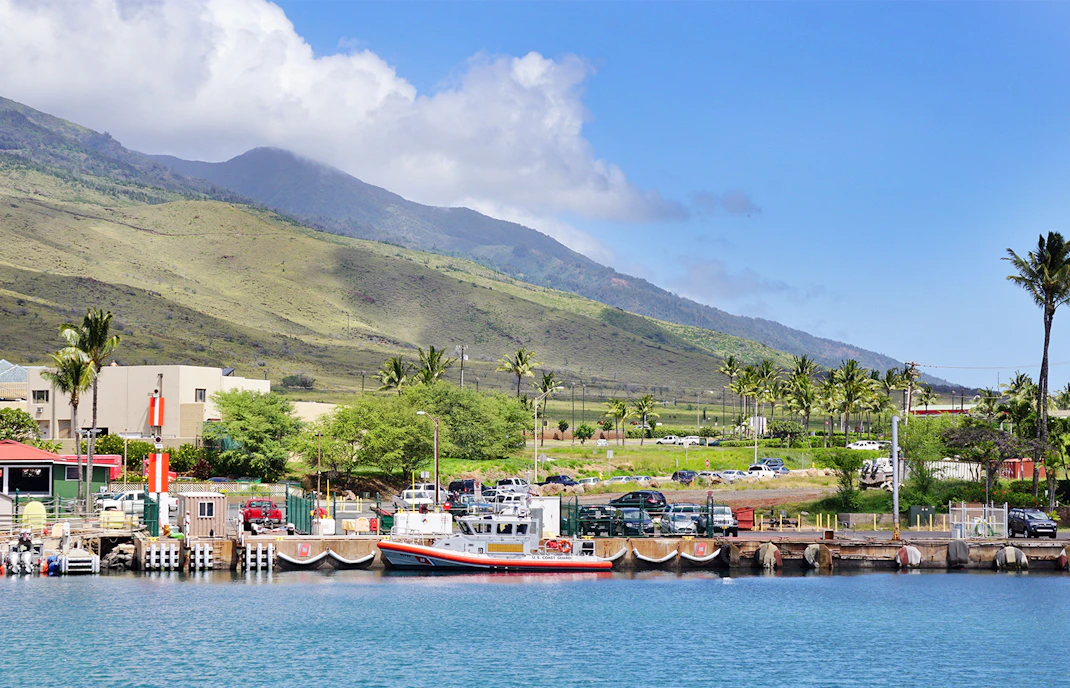
Maalaea Harbor with boats and lush hills on Maui's west coast, Hawaii.

Maʻalaea Harbor: Central, marina-style departure
Located between West and South Maui, Maʻalaea Harbor is a central and convenient departure point for many visitors staying in Kihei, Wailea, or central Maui. The harbor setting offers dockside boarding, nearby shops and restrooms, and generally straightforward check-in procedures. Boats leave directly from the marina, which many travelers prefer for its easy access and stable boarding process. Its position near the Auau Channel also allows vessels to reach prime whale-watching waters quickly.

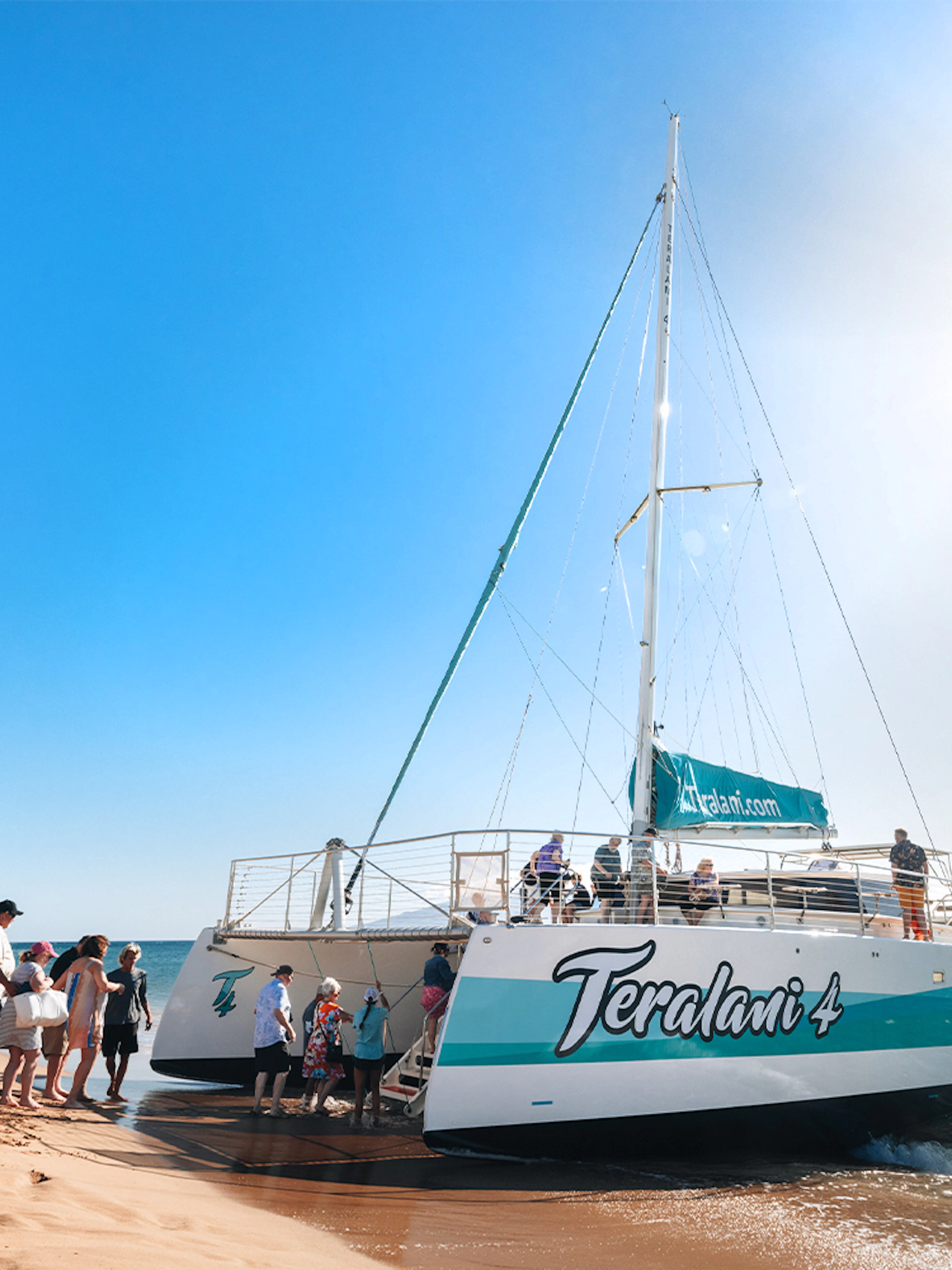
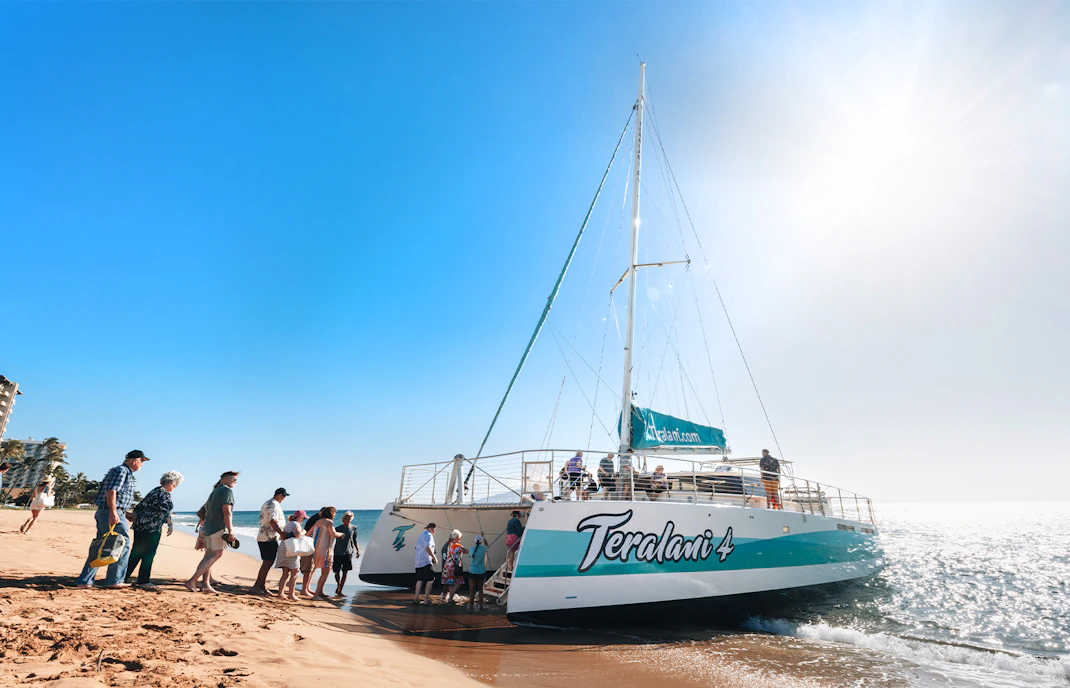
Boarding a catamaran for a whale watching tour at Kaʻanapali Beach, Maui, Hawaii.

Kaʻanapali Beach: Beachfront boarding

Situated along West Maui’s resort corridor, Kaʻanapali Beach departures are popular with guests staying at the nearby oceanfront hotels. Instead of boarding from a dock, you’ll typically walk from the sand and step directly onto the vessel from the shoreline, which adds to the adventure. Many visitors choose this location for its convenience if they are already staying in the area, as well as the scenic experience of launching straight from the beach. The surrounding area is known for its wide stretch of sand, clear water, and direct access to whale-rich waters offshore.

Plan your visit

Tour timings
Best time to visit
Boarding points
Facilities and accessibility
Rules and safety
Visitor tips
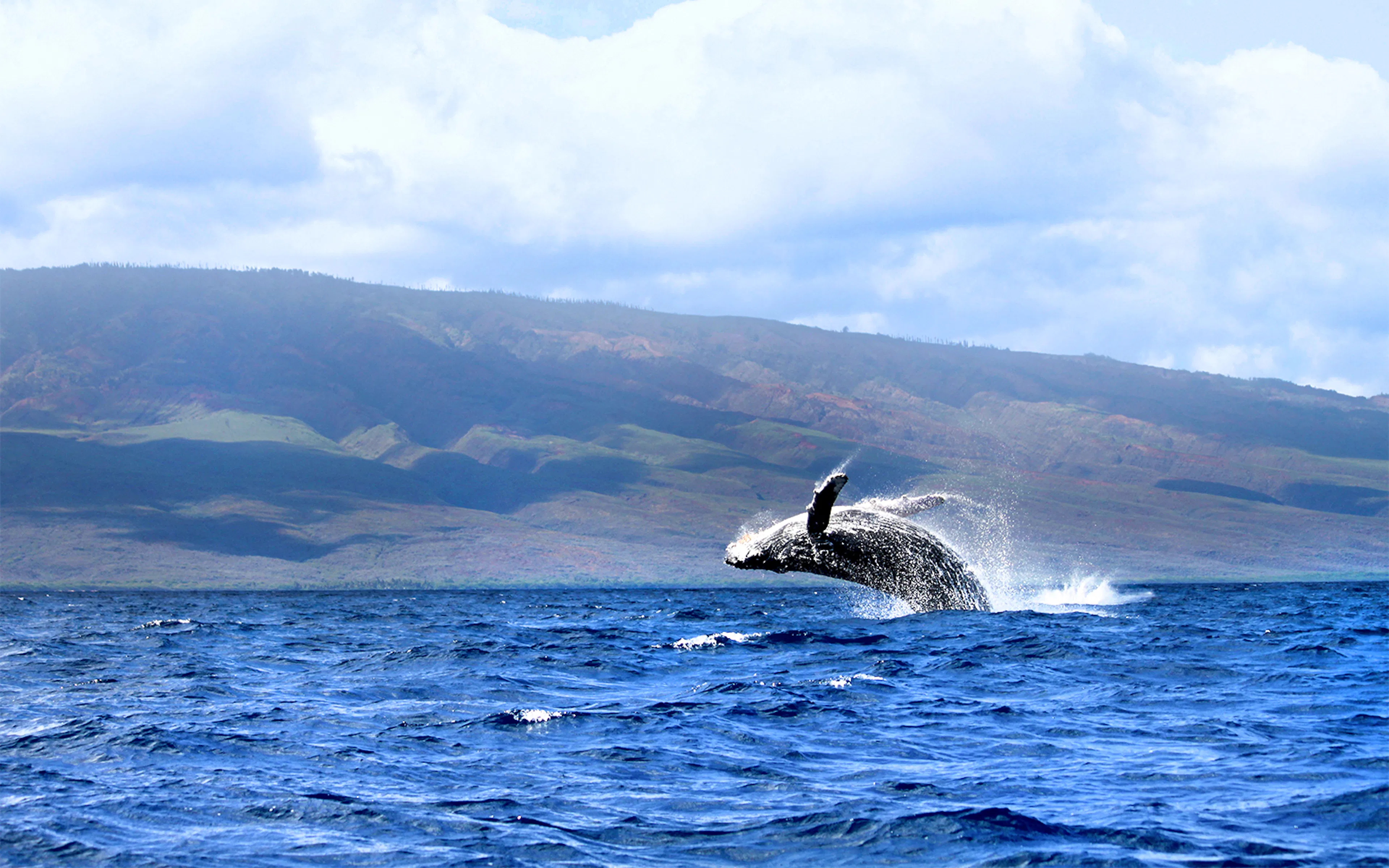
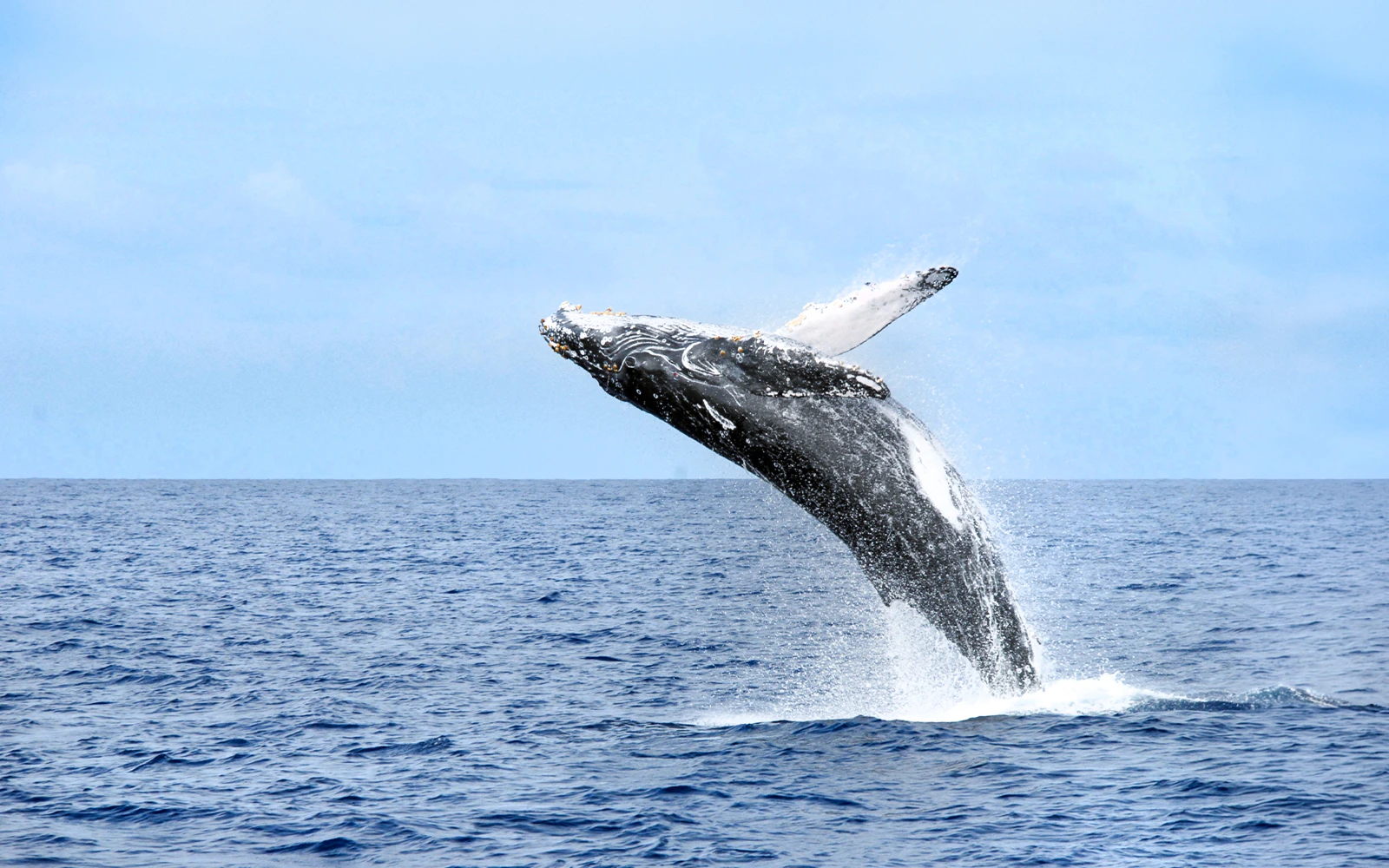
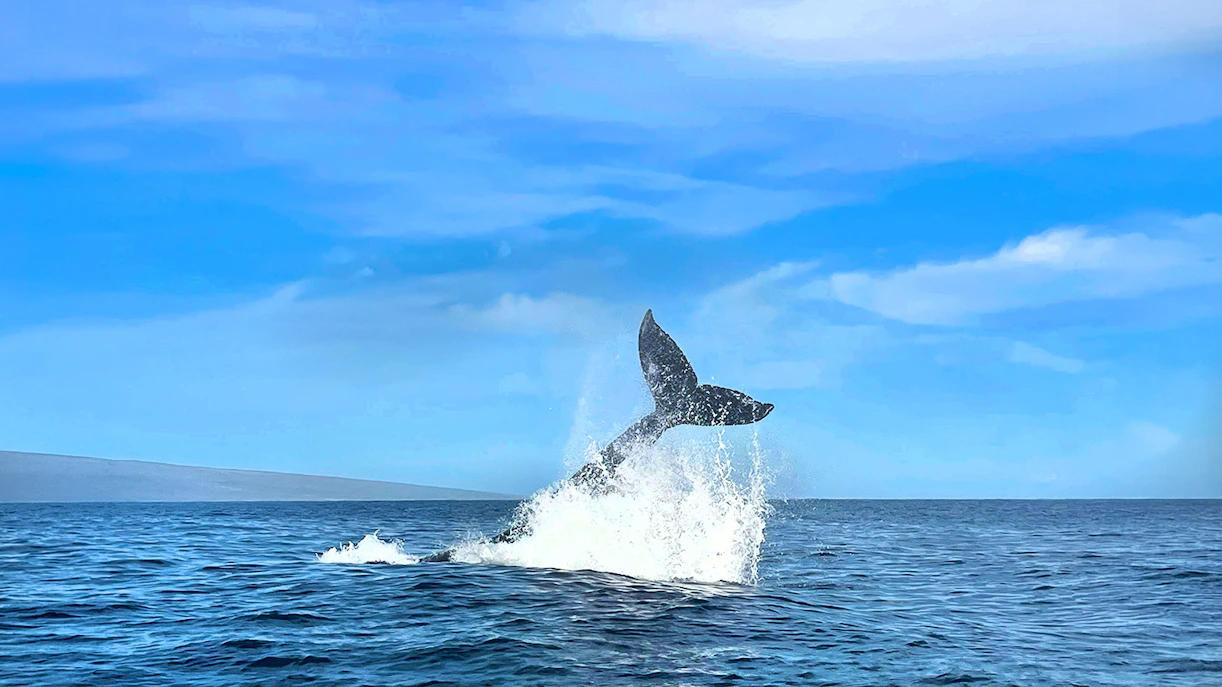
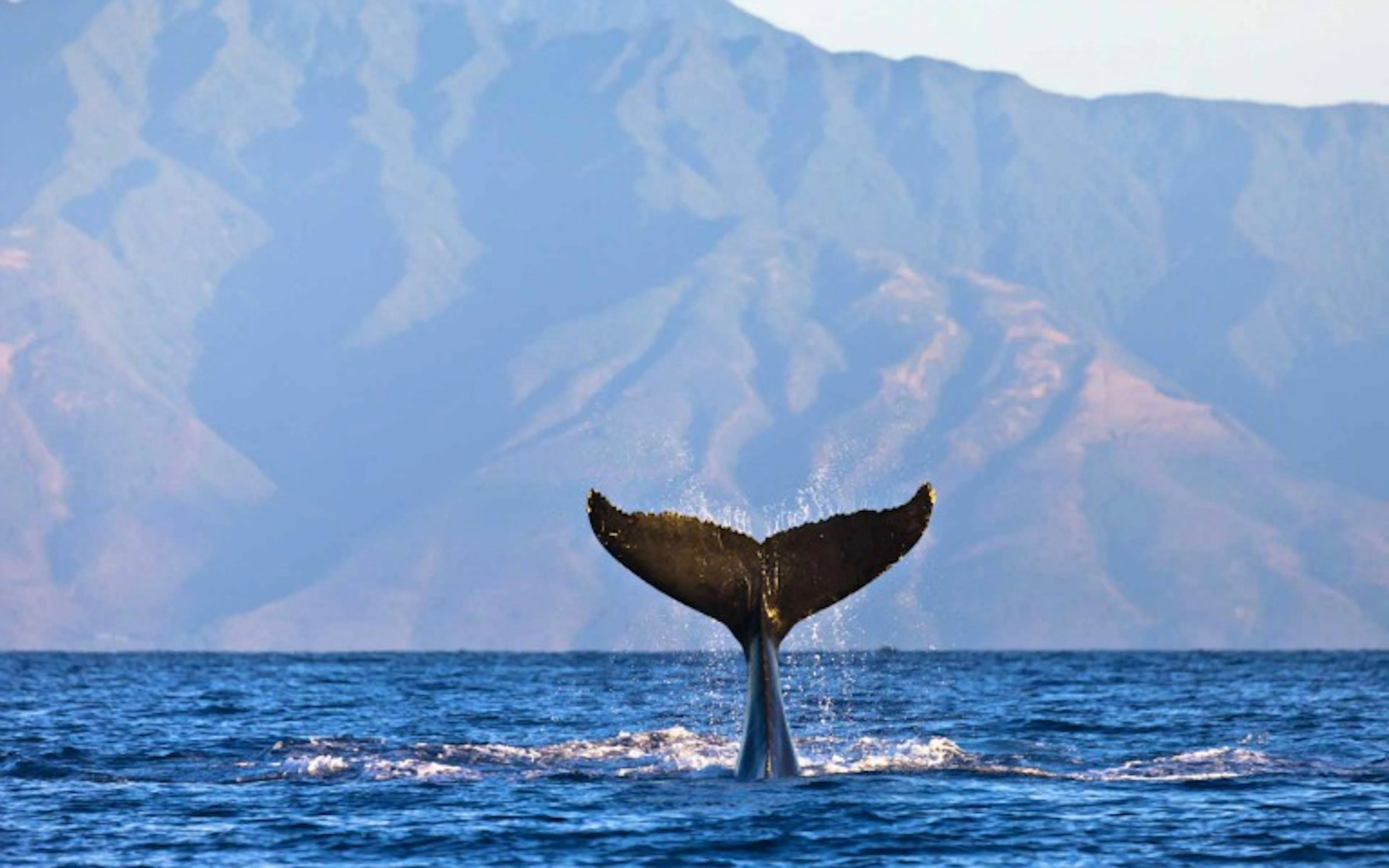
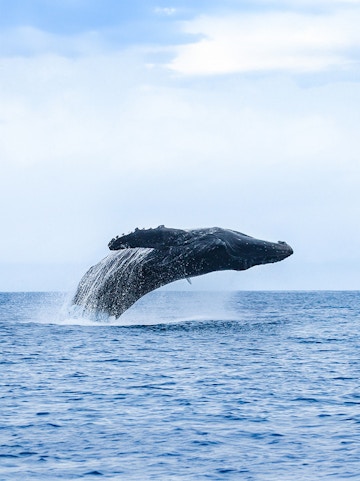
Whale tail breaching the ocean surface during a whale watching tour in Maui, Hawaii.

Your whale watch tours depart multiple times throughout the day, from early morning to late afternoon, with the final cruise being around sunset.

  • First tour starts at: 7-7:30am (approximately)
  • Final tour starts at: 4-4:30pm (approximately)
  • Tour duration: 2-2.5 hrs (average, depending on tour selected)
  • Whale watch season: Typically starts late November/early December and ends mid-to-late April.

Please note: Check-in begins 30-45 minutes prior to your tour’s start time, so plan your arrival accordingly.

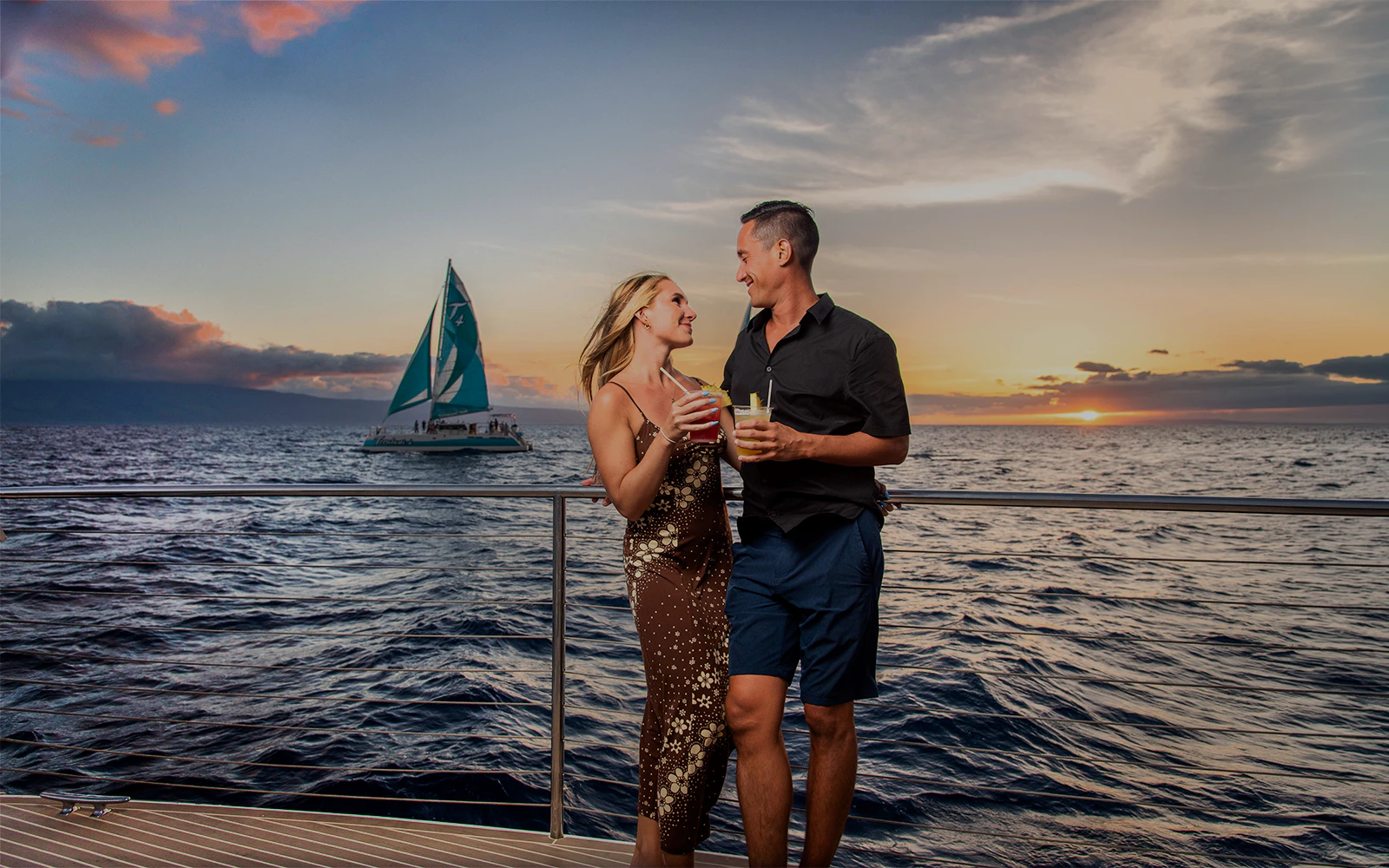
Catamaran sailing at sunset during whale watching tour in Maui, Hawaii.
  • Best time of day: Morning tours (7am to 10am) typically offer calmer ocean conditions and clearer visibility. Smoother water makes it easier to spot whale spouts and surface activity.
  • Best month: January through March is peak season, with the highest concentration of humpback whales. The broader season runs from December to April, but late January and February often see the most consistent sightings.
  • To avoid crowds: Book early morning departures, which are generally less crowded than midday tours. Travel in early December or early April for good sightings with slightly fewer visitors compared to peak winter holidays.

Maʻalaea Harbor: Pacific Whale Foundation Ocean, Maʻalaea Harbor Shops, next to Maui Ocean Center | Find on Maps

  • Nearby landmark: Maui Ocean Center (0.1 miles)
  • Closest bus stop: Ma'alaea Harbor Village (0.3 miles)

Kaʻanapali Beach: 2525 Kaanapali Pkwy, Lahaina, HI 96761, USA | Find on Maps

  • Nearby landmark: OUTRIGGER Kaʻanapali Beach Resort (0.6 miles)
  • Closest bus stop: Keka'a Dr./Fairway Shops (across) (0.9 miles)
Restroom Sign
  • Restrooms onboard: Larger catamarans are equipped with accessible restrooms; smaller vessels may have limited facilities, so check in advance.
  • Shaded seating areas: Catamaran sailboats offer covered sections for sun protection, along with open decks for unobstructed viewing.
  • Stable catamaran design: Powered catamarans provide added stability, which helps reduce motion discomfort.
  • Food and beverages: Depending on the tour, amenities may include snacks, soft drinks, open bar service, or full meals.
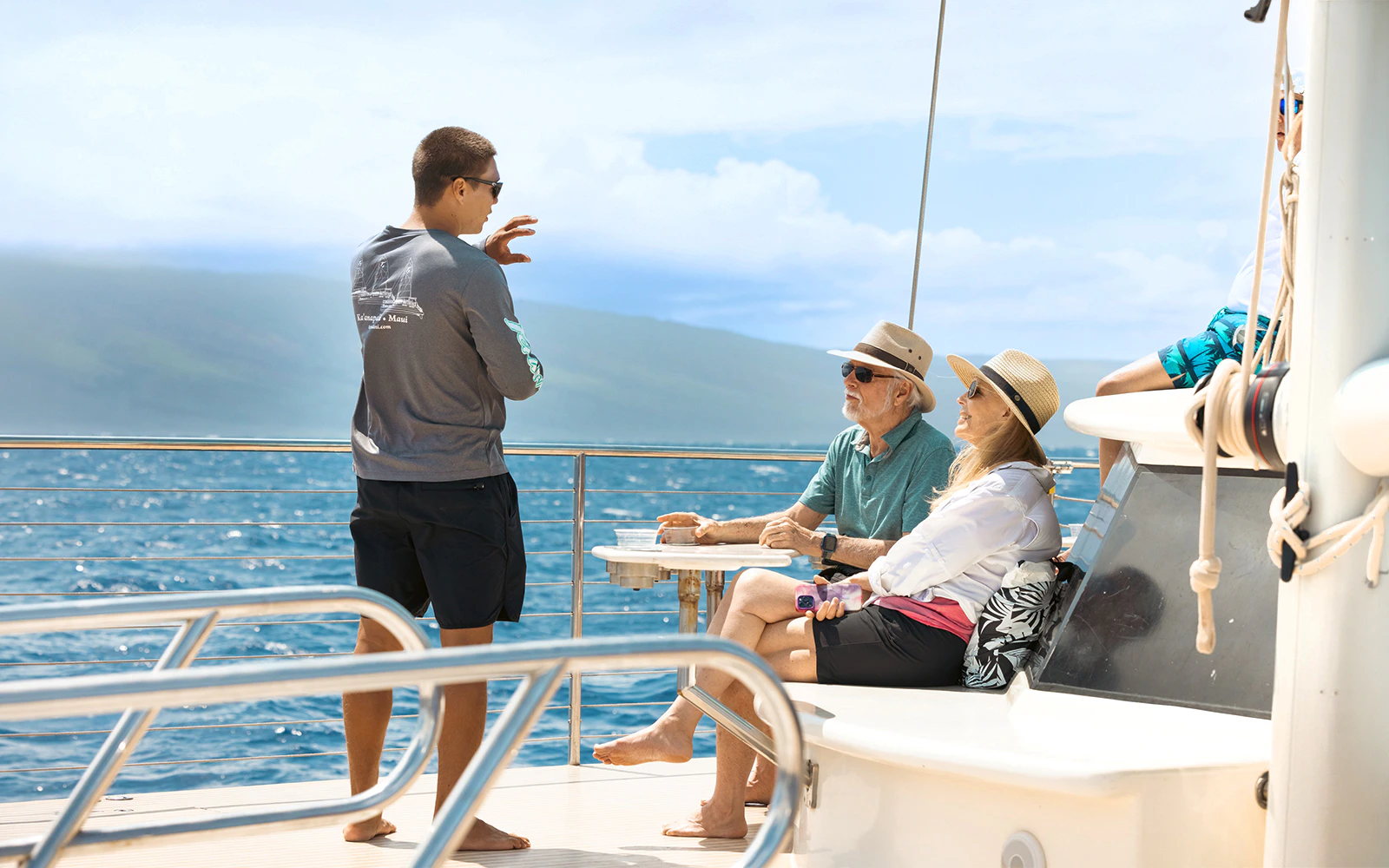
  • Guides: Marine naturalists onboard are the guides for your whale watch experience, providing information about the habitat, migratory patterns, and humpback whale behaviors along the journey.
  • First aid: Your guides are CPR-certified and can provide emergency first aid if necessary. 
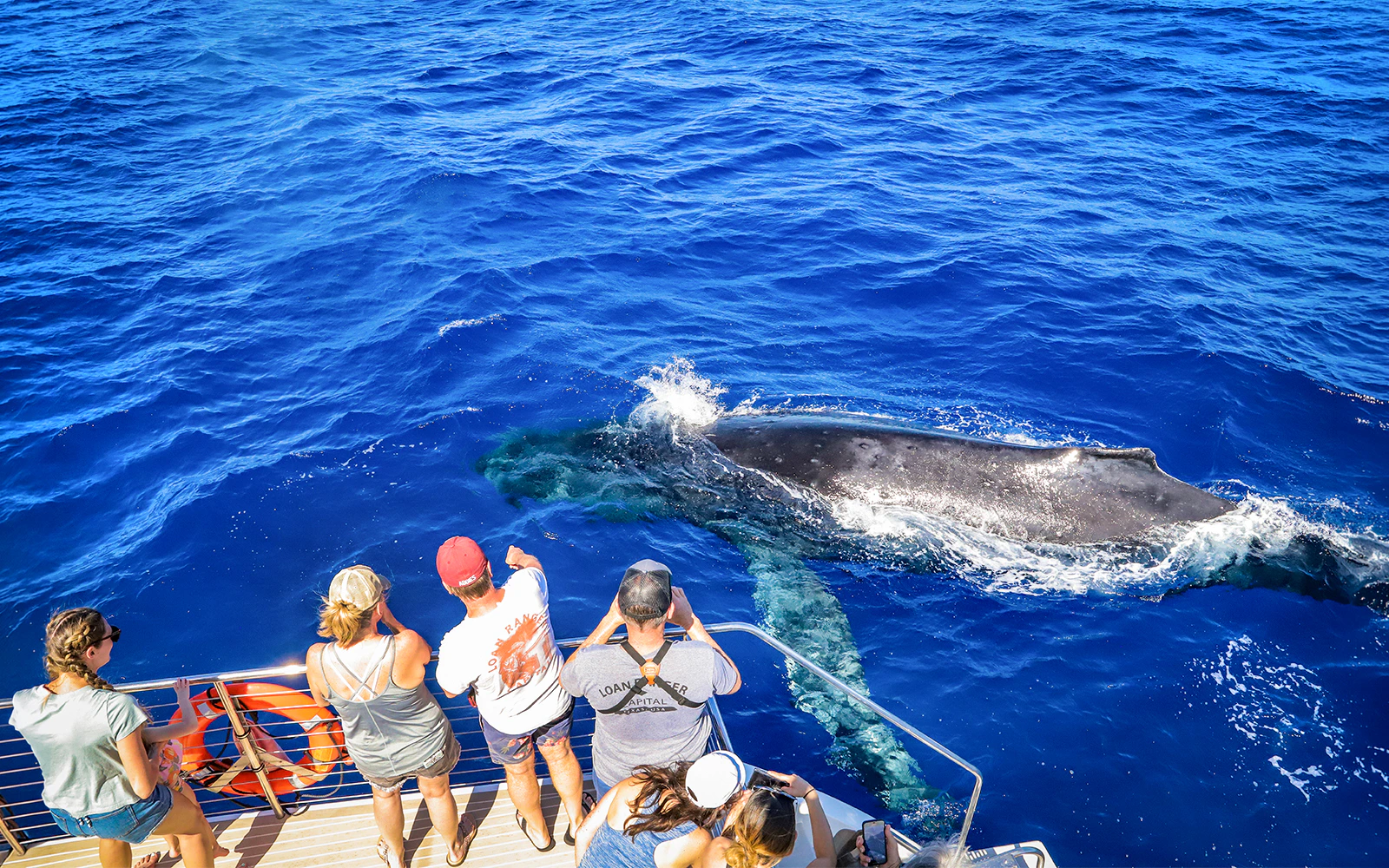
Whales spotted during Luxury West Snorkel Sail Tour in Maui, Hawaii
  • All guests must attend the pre-departure safety talk covering vessel procedures and emergency protocols.
  • Boats are required to maintain a distance (at least 100 yards) from humpback whales under federal regulations to protect the marine life and avoid disrupting their natural behaviors.
  • Interaction with whales or other marine animals is strictly prohibited.
  • Follow all directions from the captain and crew, especially during sightings and while moving around the vessel.
  • Guests may be asked to remain seated while the vessel is underway at higher speeds.
  • Captains may adjust routes or cancel tours if ocean conditions are unsafe.
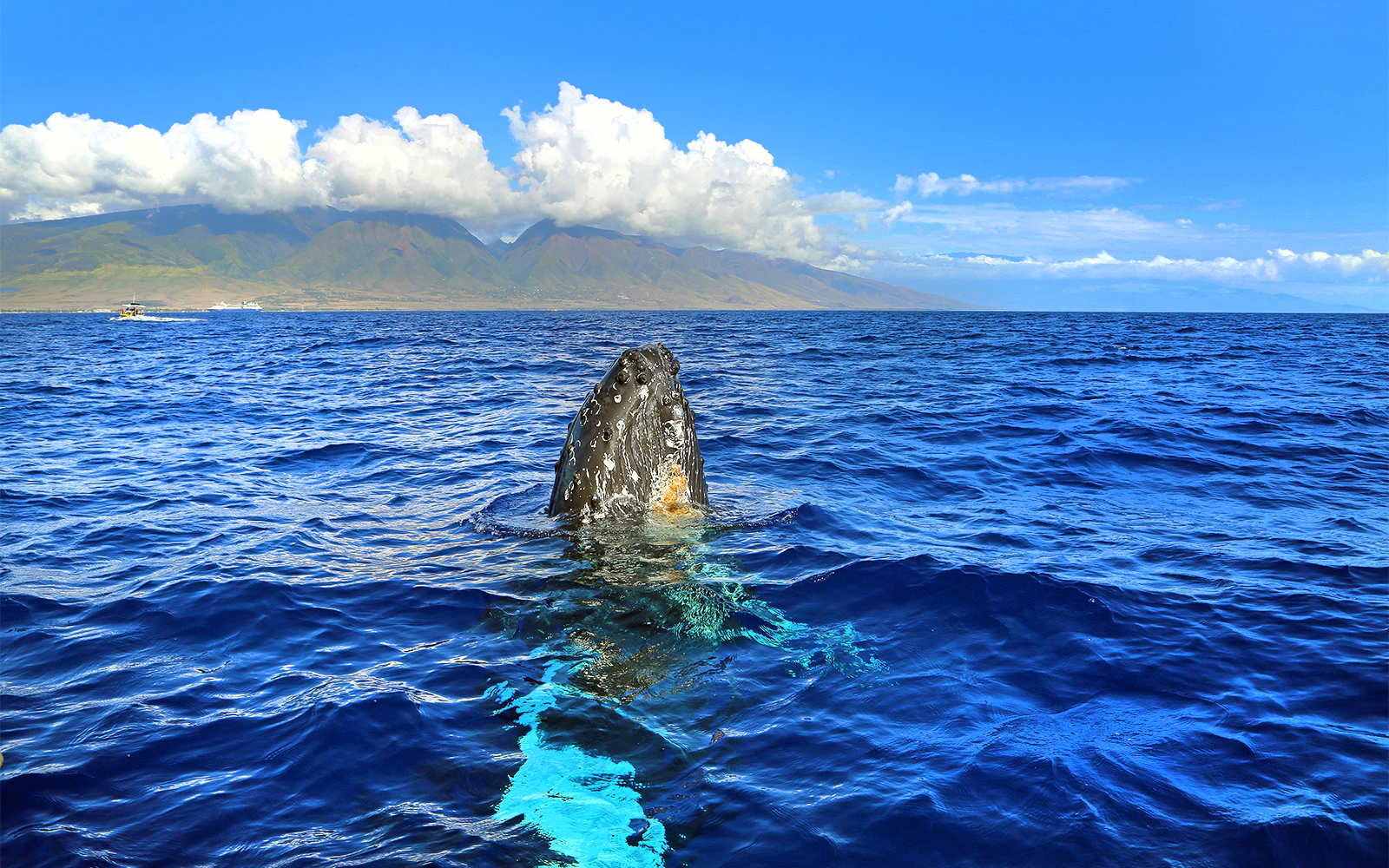
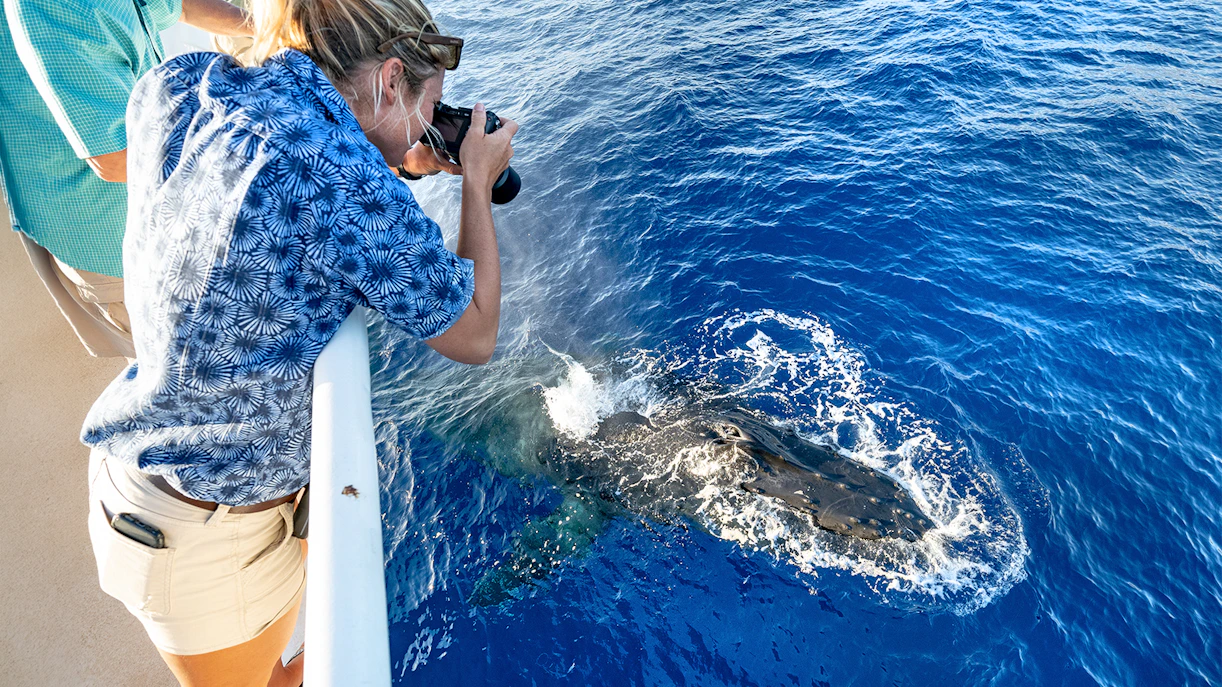
Photographer capturing humpback whale surfacing in Maui, Hawaii.
  • Keep cameras and phones ready: Fully charge your devices before departure and consider a strap or waterproof case. Whale sightings can happen suddenly and without much warning.
  • Listen to the crew and marine naturalists: Pay attention to safety briefings and onboard announcements. Marine naturalists will guide you on where to look and share insights that enhance the experience.
  • Pack light: Bring only essentials in a small bag to keep the deck uncluttered. Most tours provide basic amenities, but confirm all your tour inclusions in advance.
  • Hydrate and eat light before boarding: Have a light meal before departure unless food is included on your tour. Staying hydrated helps you feel comfortable on the water.

Your checklist for a smooth sail and whale watch tour in Maui

✅Confirm the season: Whale watching in Maui is best from December through April, when humpback whales migrate to Hawaiian waters. Book within this window for the highest chance of sightings.

✅Choose your departure harbor: Check whether your tour departs from Maʻalaea Harbor or Kaʻanapali Beach, and plan your drive time accordingly. Arrive early (45 mins before) to allow time for parking and check-in.

✅Dress for ocean conditions: Wear light layers, as mornings can be cool and ocean winds pick up offshore. Flat, non-slip footwear is recommended for moving safely around the deck.

✅Bring sun protection: Pack reef-safe sunscreen, sunglasses, and a hat. Even on cloudy days, UV exposure is strong on the water.

✅Prepare for motion sensitivity: If you are prone to seasickness, take preventative medication in advance as recommended. Choose a larger catamaran for added stability if this is a concern.

⚠️Please note: Your tour routes may be altered based on the day’s sightings, weather conditions, and humpback whale behaviors.

Frequently asked questions about Maui whale watching tours

When is the best time of day to go whale watching in Maui?

Morning tours often have calmer ocean conditions, which can make spotting spouts and surface activity easier. However, whales are active throughout the day during peak season (December–April), so afternoon departures can still offer excellent sightings.

How close will we get to the whales?

Federal law requires vessels to stay at least 100 yards away. That said, whales sometimes approach boats on their own, which can lead to surprisingly close and memorable encounters.

What happens if we don’t see any whales?

Sightings are very common in season, but wildlife is never guaranteed. Most tours offer a “whale sighting guarantee”, allowing you to join another cruise at no charge if no whales are spotted.

Is whale watching suitable for young children?

Yes, many tours are family-friendly and stable enough for kids. Some tours even offer Junior Naturalist programs to help younger guests learn about marine life in an engaging way.

Should I still go for a Maui whale watch tour if I’m prone to seasickness?

Powered catamarans are generally more stable than monohull boats, and morning tours tend to have smoother conditions. If you’re sensitive, consider taking motion-sickness medication in advance and choosing a larger vessel.

What should I wear on a whale watching tour?

Dress in light layers, as it can be breezy offshore even on sunny days. Wear non-slip footwear and bring reef-safe sunscreen, sunglasses, and a hat.

Are meals and drinks included with all whale watch tours in Maui?

Inclusions vary by tour. Some offer light snacks and soft drinks, while others feature open bars, appetizers, or full meal cruises. You can always check what’s included before booking.