Hawaii travel guide | Top attractions, island tips, beaches & more
Hawaii is more than just a tropical beach destination, it’s a collection of islands filled with volcanic landscapes, lush rainforests, world-famous surf spots, rich Polynesian culture, and unforgettable outdoor adventures. From watching the sunrise above the clouds at Haleakalā and snorkeling in crystal-clear waters to exploring historic sites and enjoying traditional luaus, Hawaii offers something for every kind of traveler.
Whether you're planning a relaxing island escape, an adventure-packed vacation, or a cultural getaway, this Hawaii travel guide covers everything you need to know before your trip.
Travel essentials
Essential info
Details
Time zone
Hawaii-Aleutian Standard Time (HST)
Currency
US Dollar (USD)
Emergency number
911
Language
English and Hawaiian
Best time to visit
April–June & September–November
Average trip duration
7–14 days
Socket type
Type A & B
International airport
Daniel K. Inouye International Airport (Honolulu)
Best time to visit Hawaii
Spring (April to June) 🌺
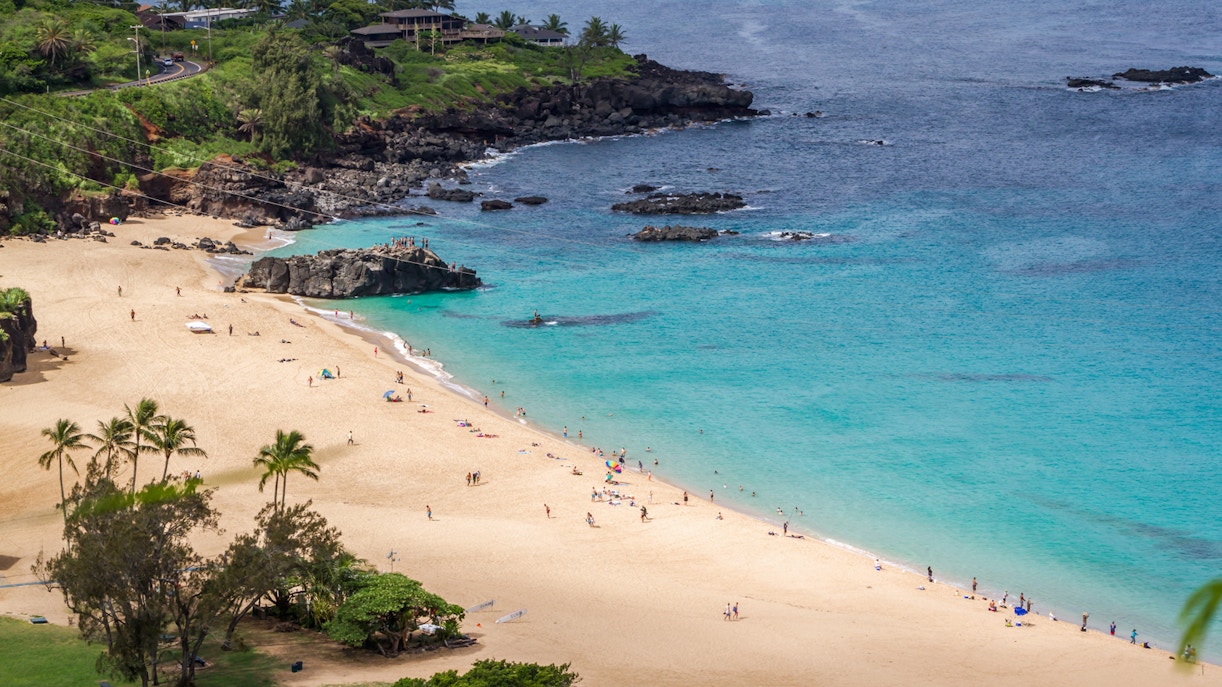
Spring is one of the best times to visit Hawaii thanks to warm weather, lighter crowds, and pleasant ocean conditions. Average daytime temperatures range between 24°C and 29°C (75°F to 84°F), making it ideal for beach days, hiking, snorkeling, and island hopping.
This season is especially great for travelers looking for better hotel prices before the busy summer months begin. You’ll also find calmer beaches and lush green landscapes after the winter rains.
Summer (June to August) ☀️
Summer brings long sunny days, warm ocean temperatures, and lively energy across the islands. Expect average temperatures between 26°C and 31°C (79°F to 88°F), with drier weather and excellent conditions for swimming, snorkeling, and outdoor adventures.
Since this is peak vacation season, beaches, resorts, and attractions can get crowded — especially on Oahu and Maui. Booking hotels, rental cars, and popular tours well in advance is highly recommended.
Fall (September to November) 🍍
Fall is one of Hawaii’s most underrated travel seasons. The weather stays warm, with temperatures averaging 25°C to 30°C (77°F to 86°F), while crowds begin to thin out after summer.
This is a fantastic time for travelers looking for lower hotel prices, quieter beaches, and easier restaurant reservations. Ocean conditions are usually calm in early fall, making it a great season for snorkeling and boat tours.
Winter (December to March) 🐋
Winter in Hawaii is known for whale watching, dramatic surf, and festive holiday celebrations. Temperatures remain mild compared to most destinations, averaging between 23°C and 28°C (73°F to 82°F).
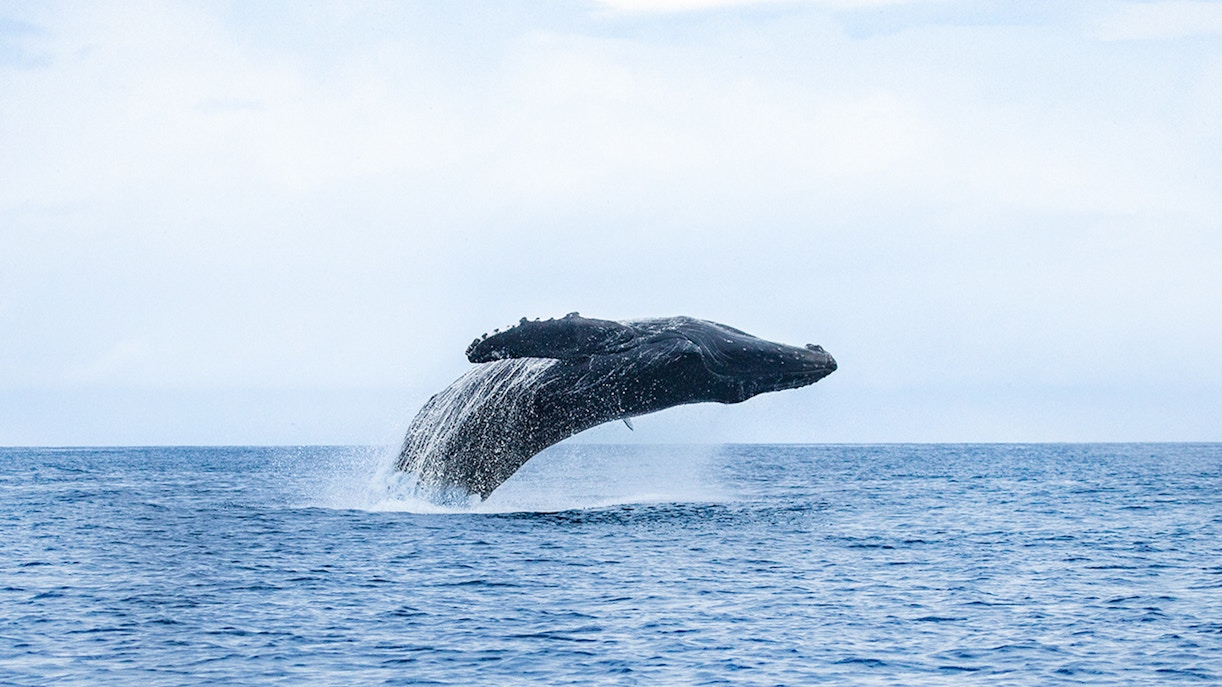
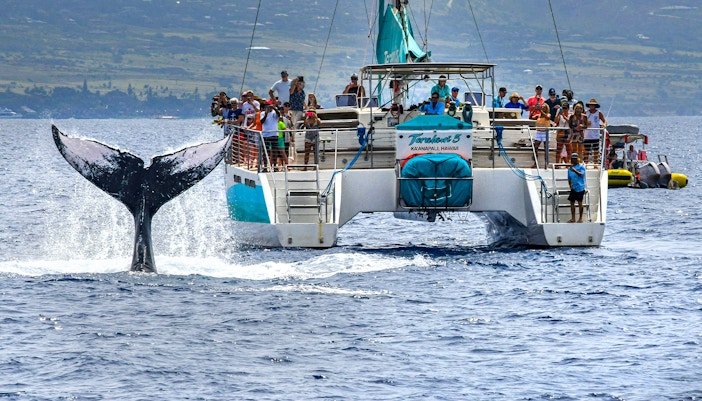
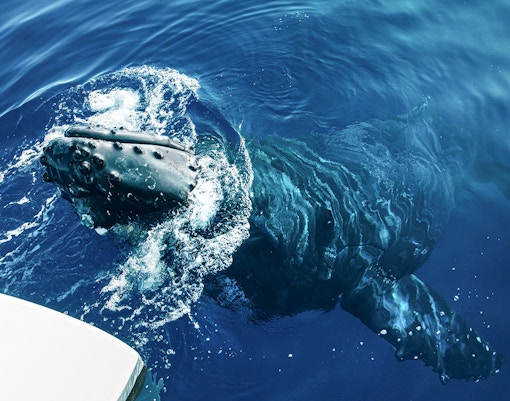
This is the best season to spot humpback whales, especially around Maui, and to watch massive waves on Oahu’s North Shore during international surfing competitions. While winter is busier and slightly rainier, particularly on Kauai and the Big Island, you’ll still find plenty of sunshine throughout your trip.
Island hopping is the best way to experience Hawaii
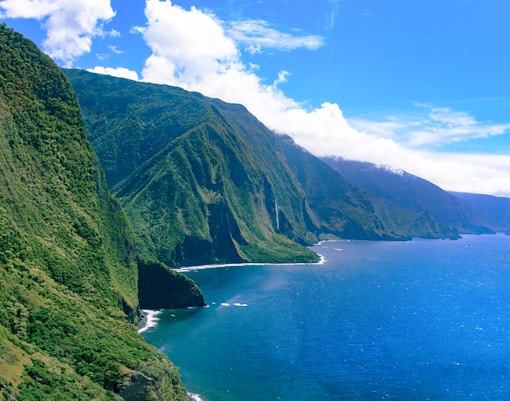
Each Hawaiian island has its own personality, from the surf culture and nightlife of Oahu to the volcanoes of the Island of Hawaii and the dramatic landscapes of Kauai. If you have a week or more, visiting at least two islands is one of the best ways to experience Hawaii beyond the beaches.
Getting to Hawaii
By air ✈️
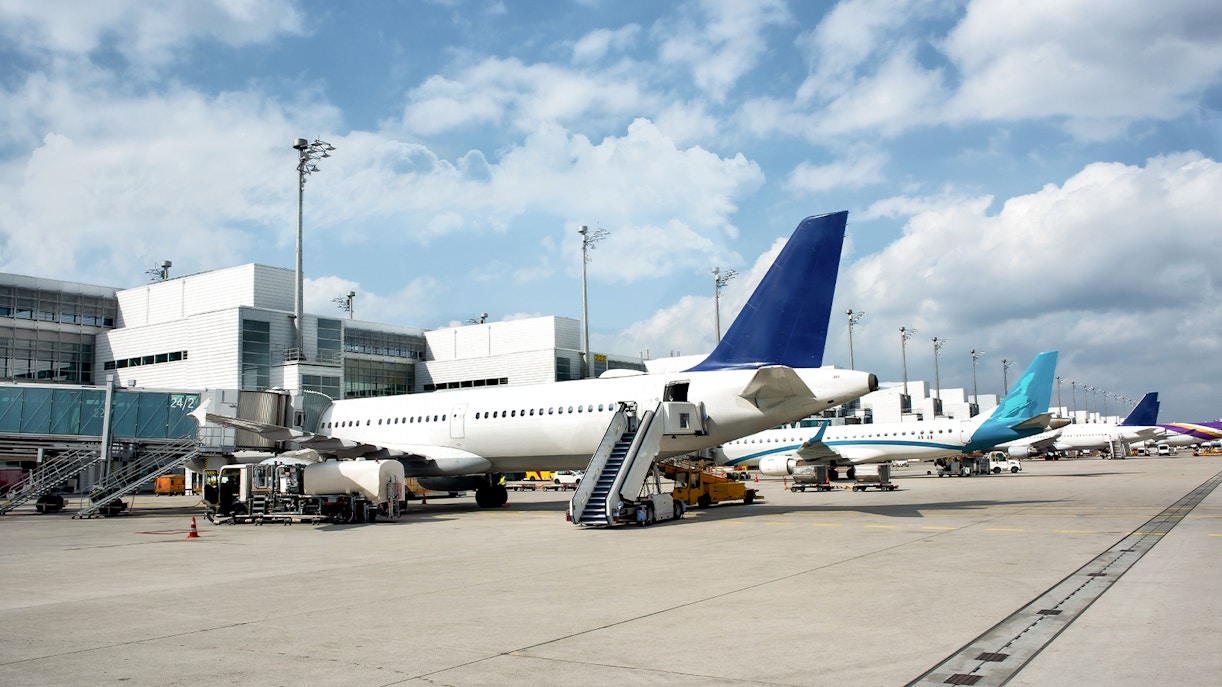
Most travelers arrive through Daniel K. Inouye International Airport on Oahu, with direct flights from major cities in the US, Canada, Asia, and Oceania.
Inter-island flights 🛩️
Short flights connect Oahu, Maui, Kauai, and the Big Island, making island hopping easy.
Cruises 🚢
Several Pacific cruise itineraries include Hawaii, especially Honolulu, Maui, and Kona.
Best airport for first-time visitors 🌺
Honolulu International Airport on Oahu is the busiest and most convenient entry point for most travelers.
Must-visit attractions in Hawaii
Road to Hana
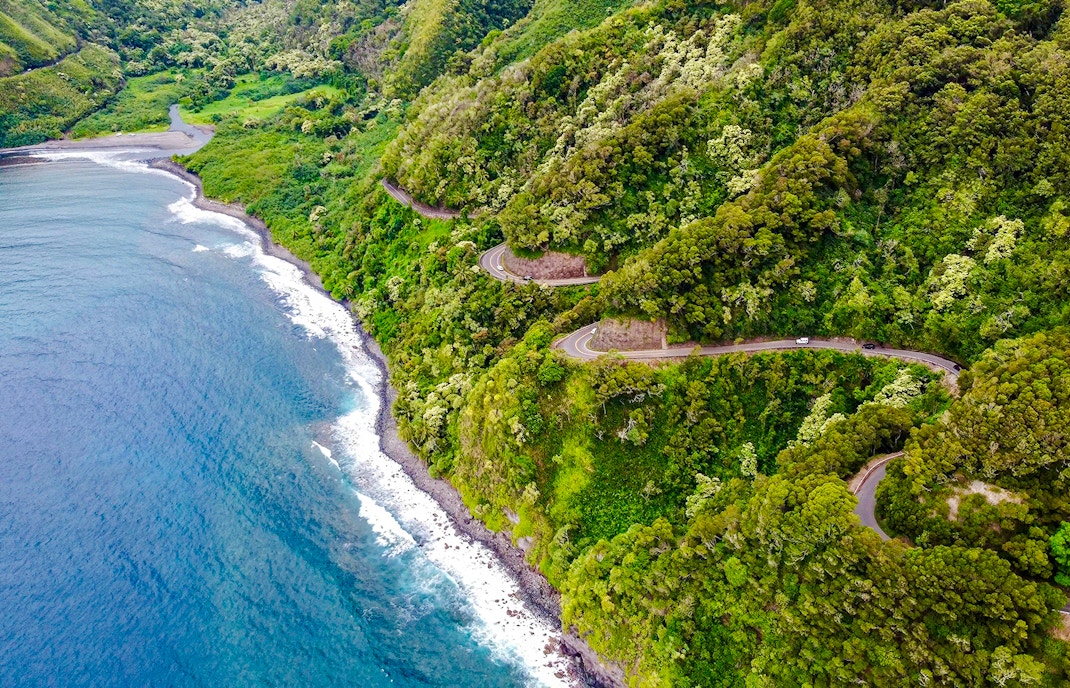
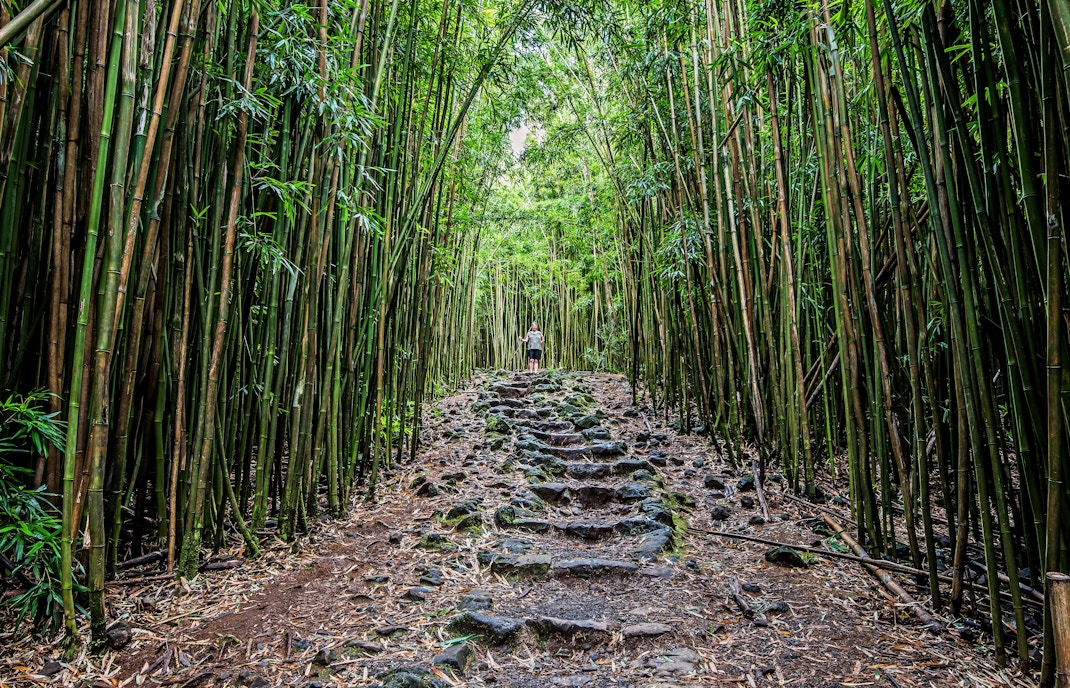
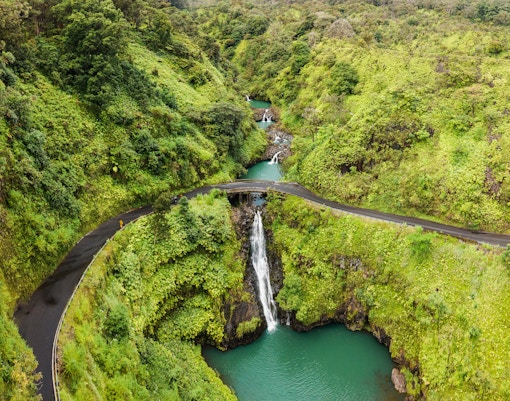
The Road to Hana is one of Hawaii’s most scenic drives, winding past waterfalls, rainforests, coastal cliffs, and black sand beaches. Since the route includes hundreds of curves and narrow bridges, starting early and allowing a full day for stops and sightseeing is highly recommended.
Pearl Harbor National Memorial
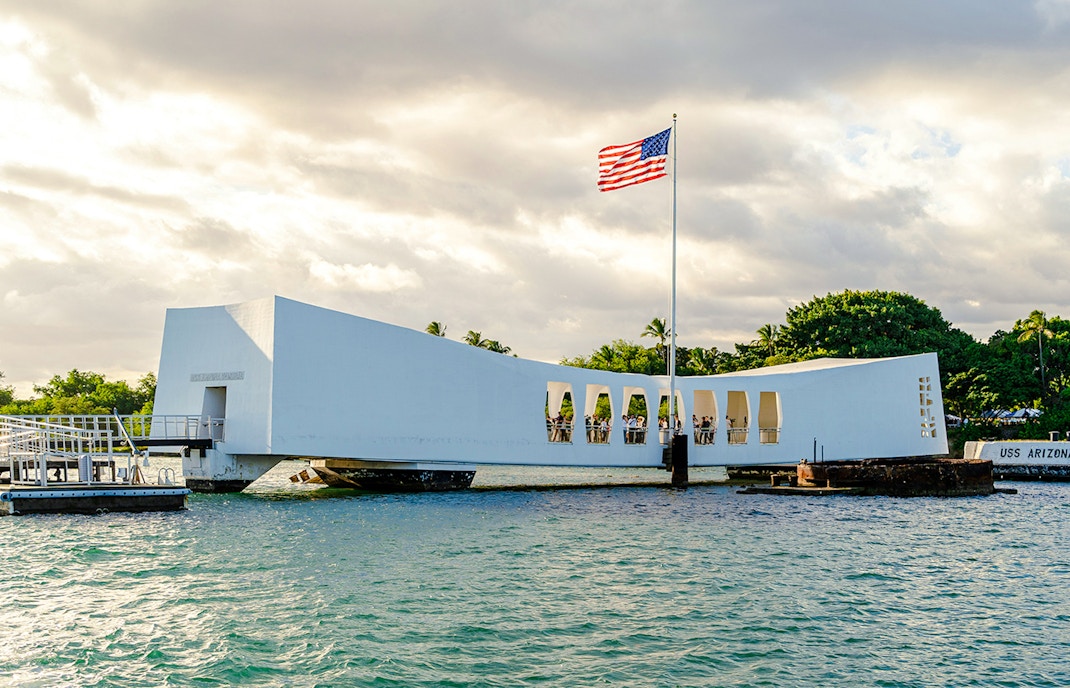
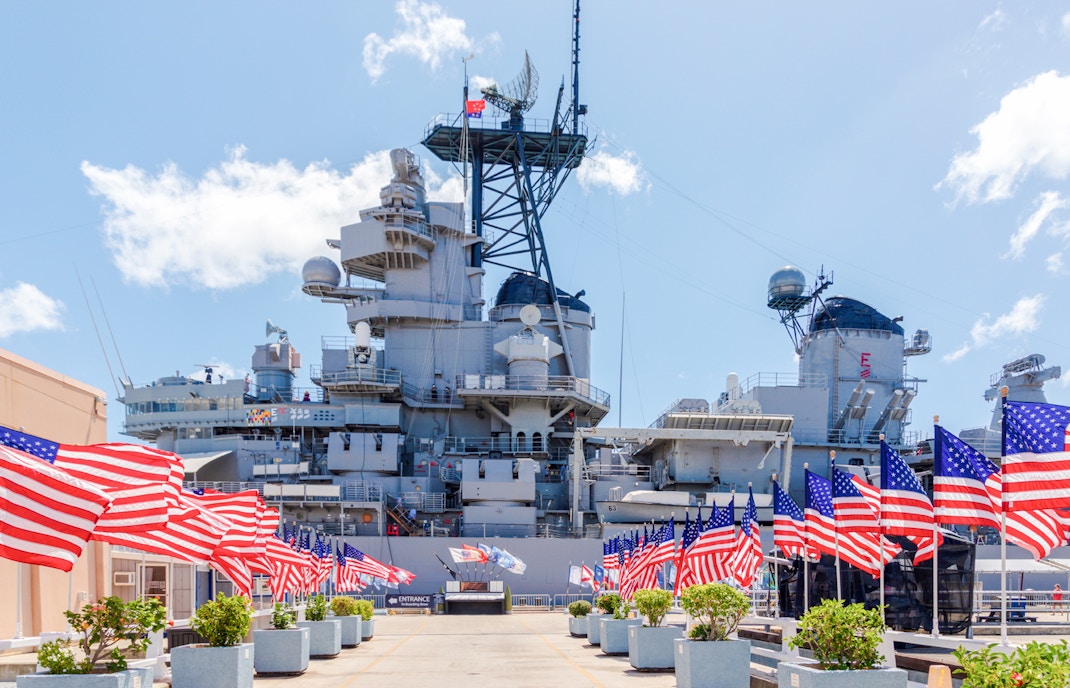
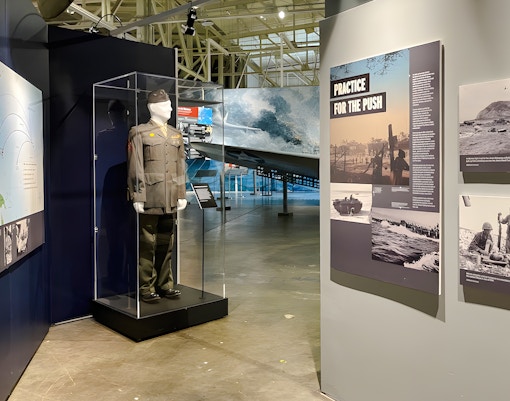
One of Hawaii’s most important historical landmarks, Pearl Harbor offers a moving look into the events of World War II. Visitors can explore the USS Arizona Memorial, museums, exhibits, and historic naval sites while learning about the attack that changed American history.
Waikiki Beach
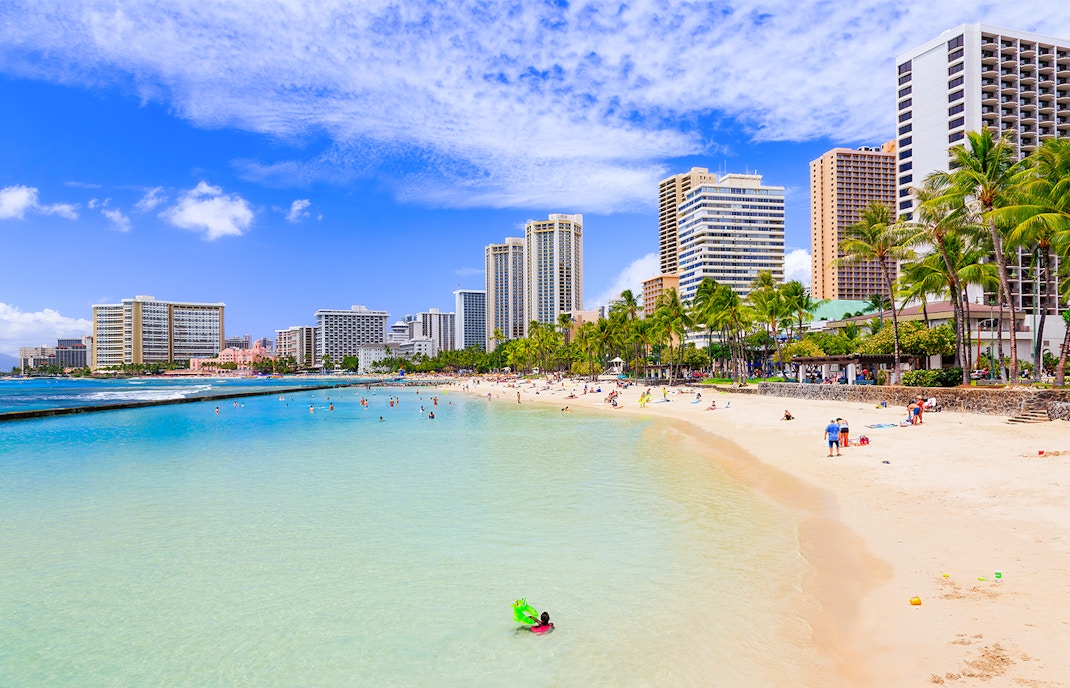
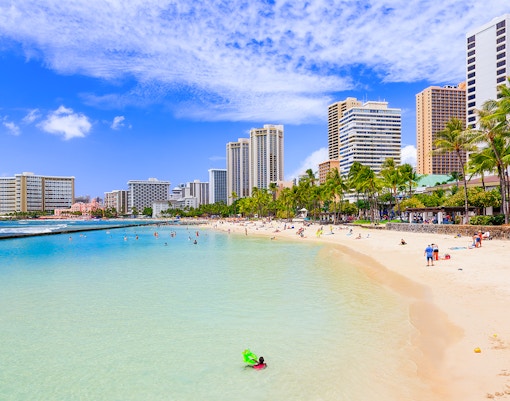
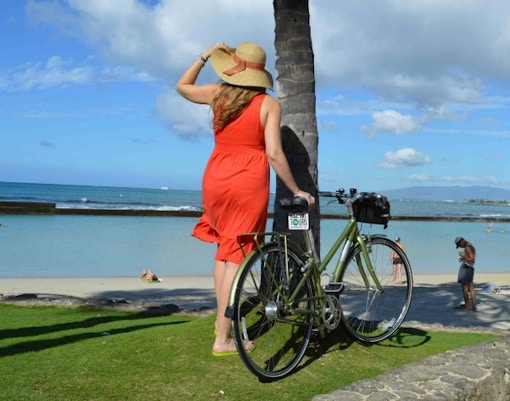
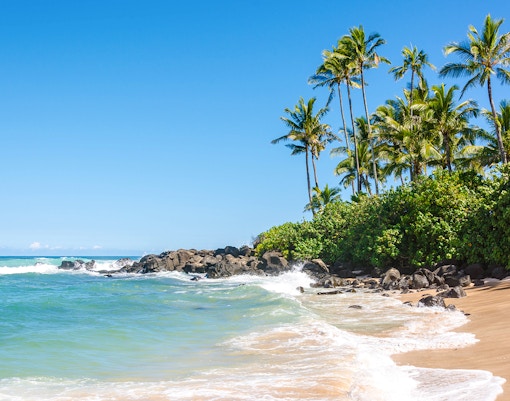
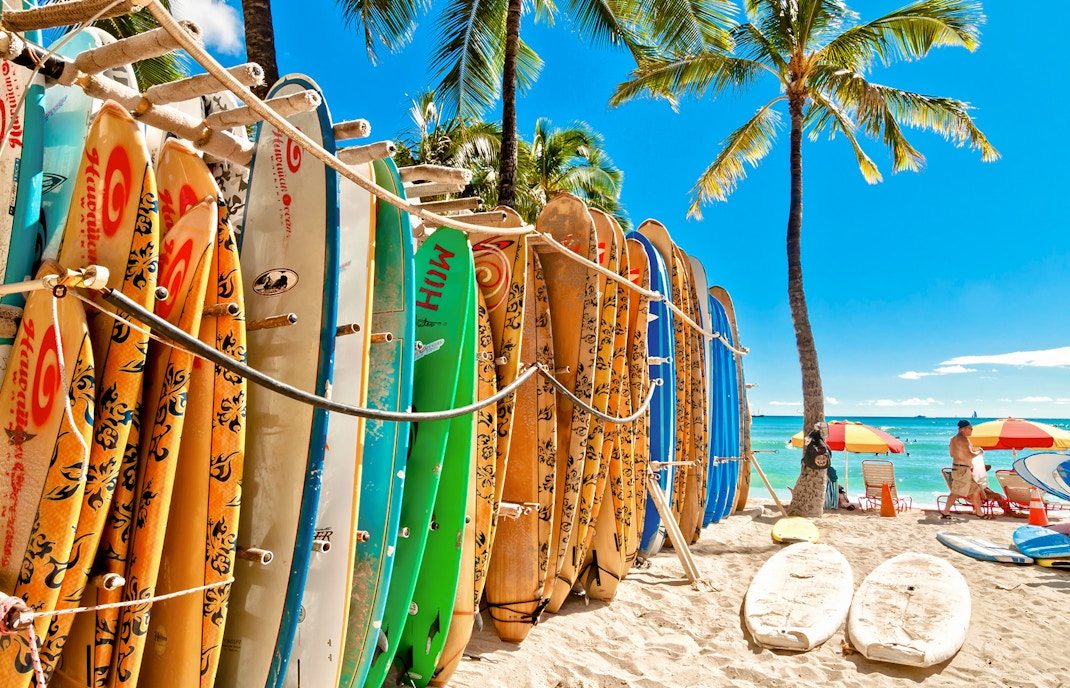
Waikiki Beach is Hawaii’s most famous beach destination, known for its golden sand, beginner-friendly surf, and lively atmosphere. Beyond swimming and surfing, the area is packed with beachfront restaurants, shopping, sunset cruises, and nightlife, making it one of the best places to stay for first-time visitors to Oahu.
Haleakala National Park
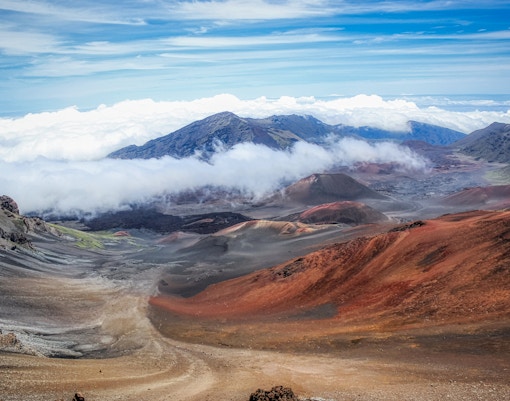
Haleakala National Park is famous for its dramatic volcanic landscapes and unforgettable sunrise views above the clouds. Located over 3,000 meters (10,000 feet) above sea level, the summit can feel surprisingly cold, so warm layers are essential for early morning visits.
Hawaii Volcanoes National Park
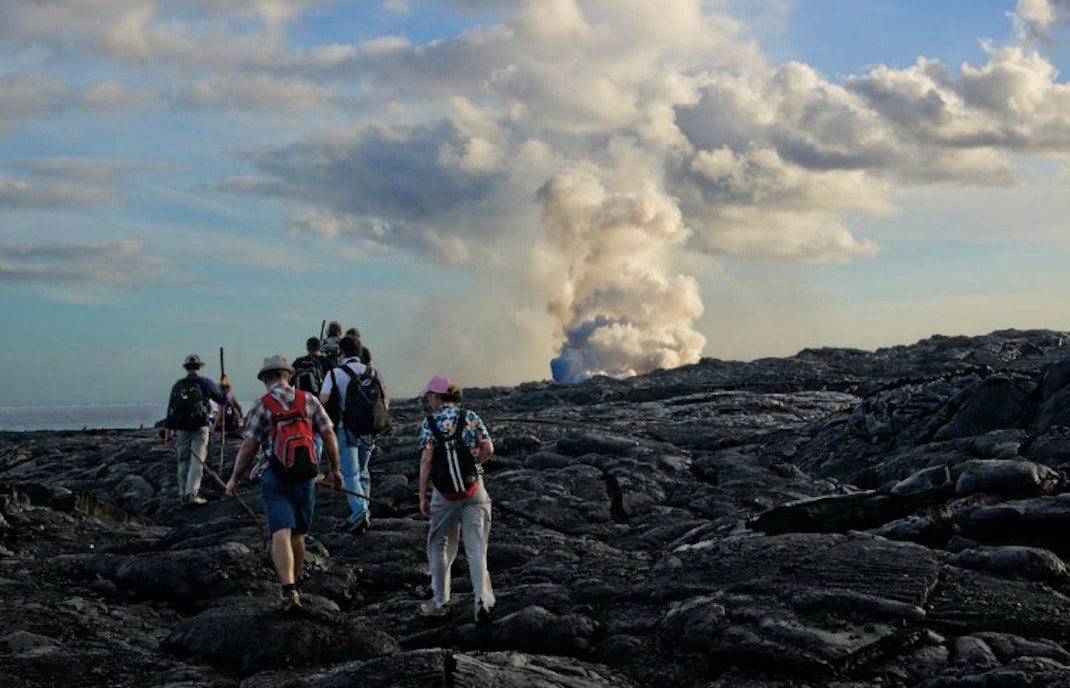
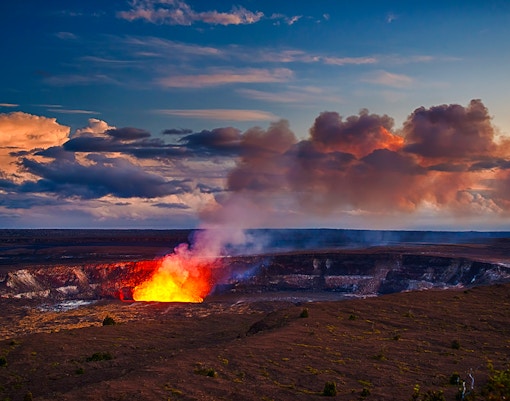
Home to active volcanoes, lava fields, craters, and scenic hiking trails, this national park offers one of Hawaii’s most unique landscapes. Visitors can explore volcanic viewpoints, walk through lava tubes, and learn about the powerful geological forces that continue to shape the islands.
Waimea Canyon State Park
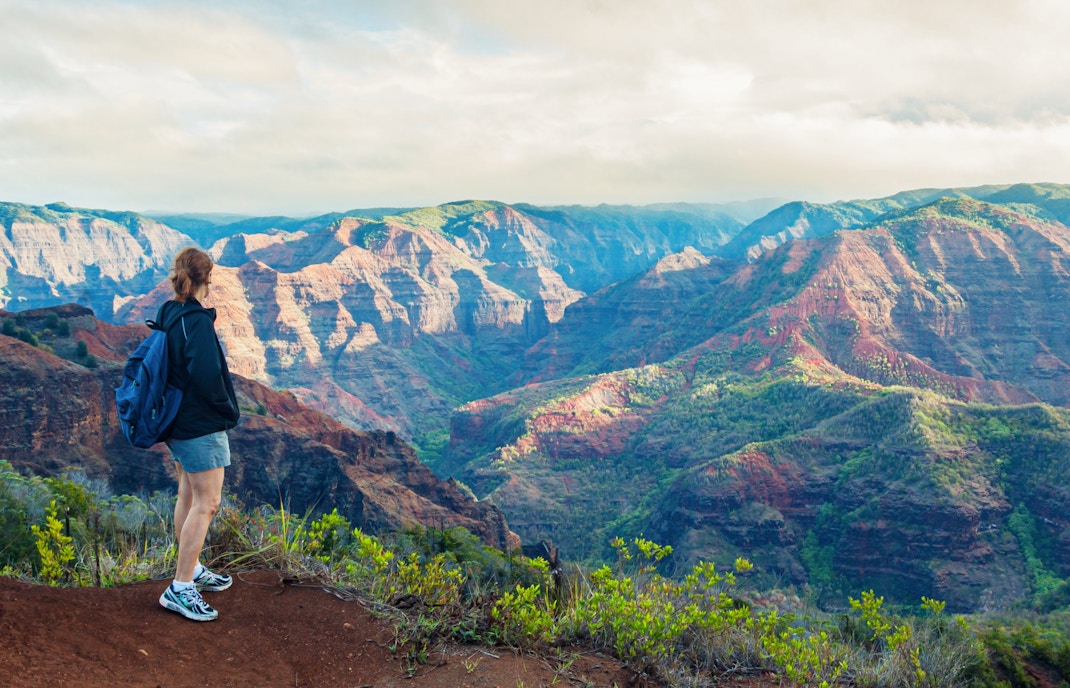
Often called the “Grand Canyon of the Pacific,” Waimea Canyon is known for its dramatic red cliffs, lush valleys, and panoramic lookout points. The park is especially beautiful in the morning before clouds roll in, and there are hiking trails for both casual walkers and experienced hikers.
Your perfect 3-day Hawaii travel itinerary
Day 1: Beaches, history & island nightlife 🌴
Start your Hawaii trip on Oahu with a morning at Waikiki Beach, where you can relax, try beginner surfing lessons, or enjoy beachfront cafés with ocean views.
Spend the afternoon visiting Pearl Harbor National Memorial and hiking up Diamond Head for panoramic views over Honolulu and the Pacific Ocean.
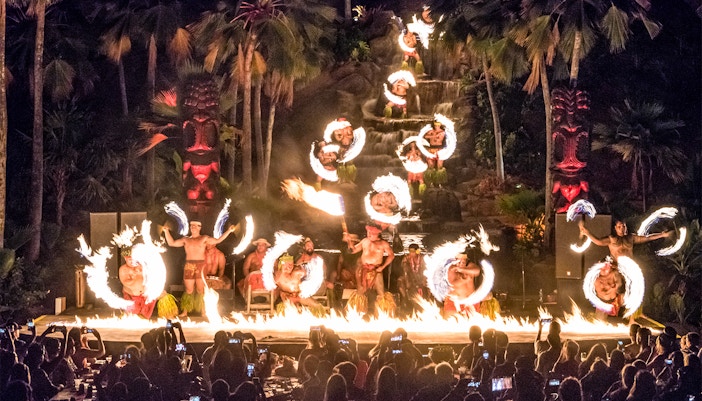
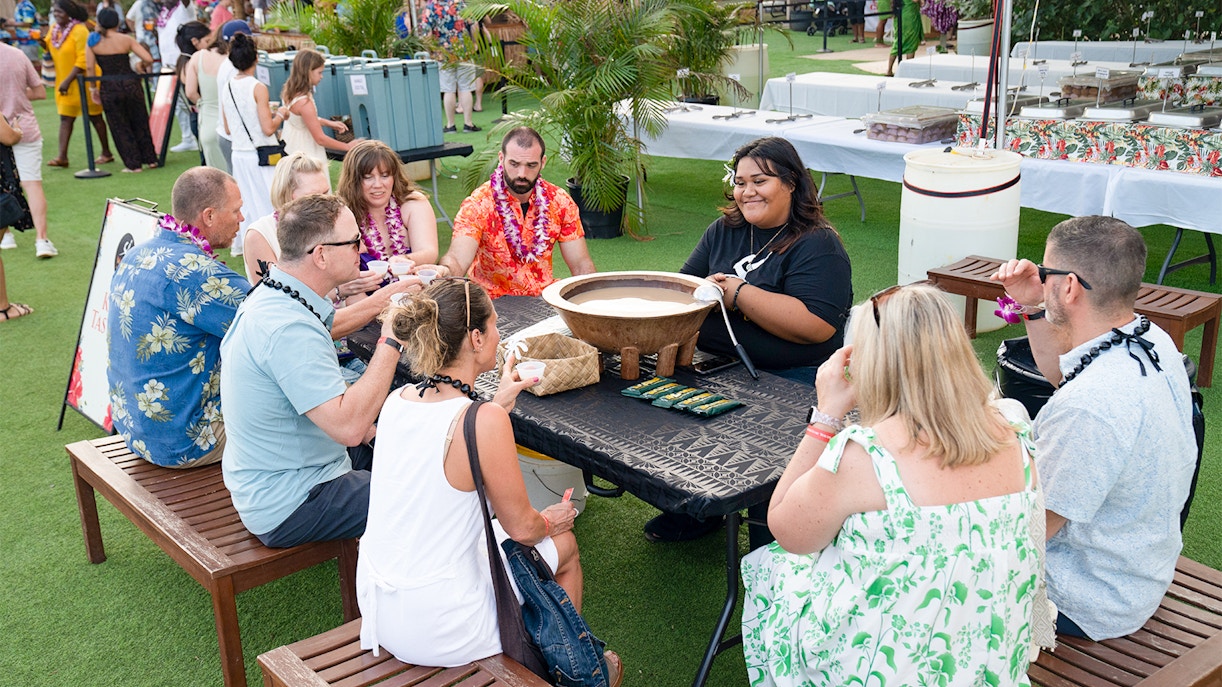
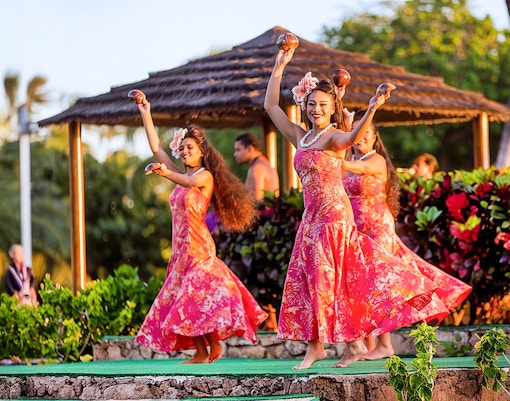
End the day with a traditional Hawaiian luau featuring local dishes, hula performances, live music, and sunset views along the coast.
Day 2: Adventure & natural wonders 🌋
Head out early for a snorkeling cruise, waterfall tour, or scenic drive depending on your island — the Road to Hana is perfect for waterfalls and coastal scenery, while Kauai offers incredible hiking and boat tours.
If you're visiting the Island of Hawaii, spend the day exploring Hawaii Volcanoes National Park, where you’ll see lava landscapes, volcanic craters, and scenic walking trails.
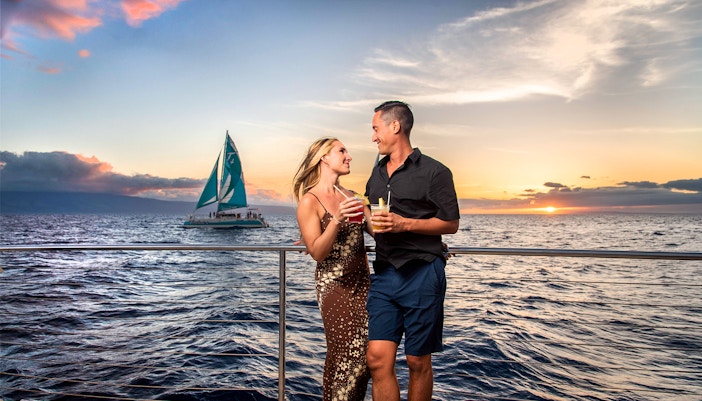
Wrap up your evening with a beachfront dinner or sunset cruise — Hawaii’s sunsets are especially beautiful from the water.
Day 3: Culture, food & scenic experiences 🌺
Slow things down with a cultural day exploring local markets, coffee farms, museums, or art galleries to experience Hawaii beyond the beaches.
Visit spots like Bernice Pauahi Bishop Museum or small-town neighborhoods filled with local food spots, handmade crafts, and tropical fruit stands.
Finish your trip with a scenic catamaran cruise, whale watching tour (in winter), or a final sunset dinner overlooking the ocean.
How to get around Hawaii
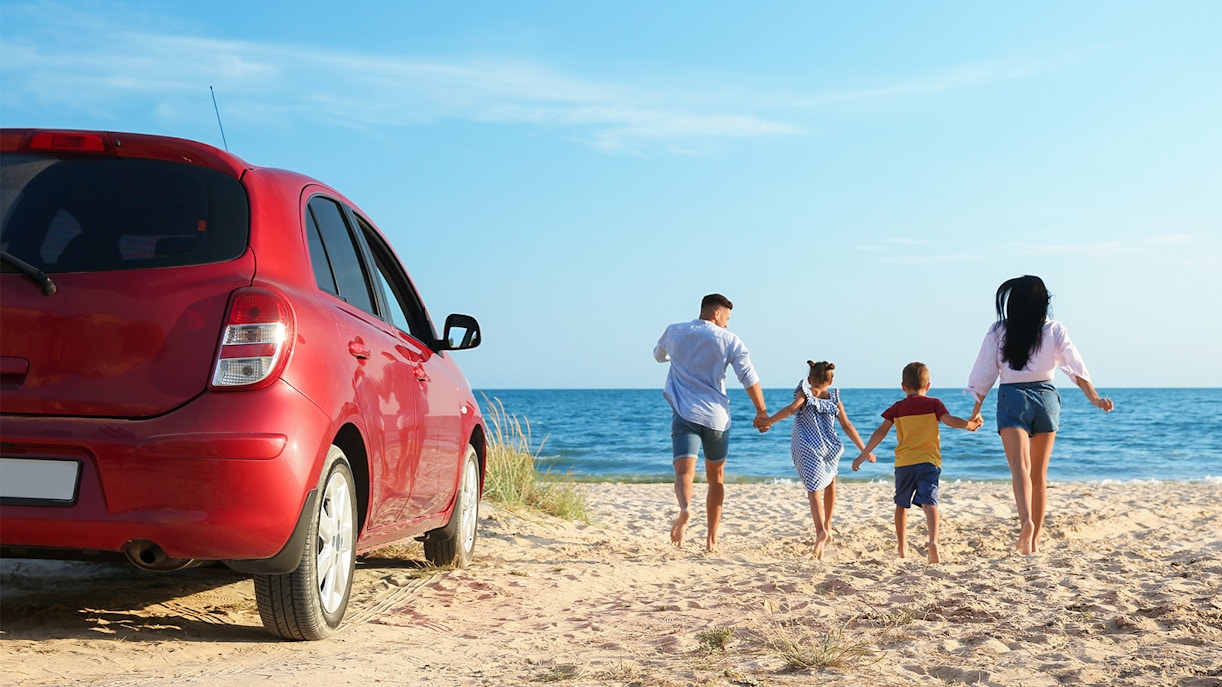
Renting a car is the easiest and most flexible way to explore Hawaii, especially on islands like Maui, Kauai, and the Big Island where attractions are spread out. It’s the best option for scenic drives like the Road to Hana, beach hopping, sunrise tours, and visiting national parks at your own pace. Rental cars can sell out quickly during holidays and summer, so booking early is highly recommended.
Quick info:
Best island: Maui, Kauai & Big Island
Ideal for: Scenic drives, beaches & national parks
Tip: Book early during peak seasons
Parking: Paid parking is common in Waikiki
Oahu has Hawaii’s most reliable public transportation system, with buses connecting Waikiki, Honolulu, Pearl Harbor, shopping areas, and major attractions. It’s an affordable option for travelers staying mostly around the city and beach areas, though travel times can be longer than driving. Public transportation is much more limited on Maui, Kauai, and the Big Island.
Quick info:
Best island: Oahu & Honolulu
Ideal for: Budget-friendly option for short stays
Main network: TheBus on Oahu
Keep in mind: Limited coverage outside major towns
Since Hawaii is made up of multiple islands, flying is the quickest and most common way to island hop. Flights between Oahu, Maui, Kauai, and the Big Island are frequent and usually take under an hour, making it possible to visit multiple islands during one trip. Morning flights are often smoother and give you more time to explore after landing.
Quick info:
Flight time: Usually 30–60 minutes
Main airlines: Hawaiian Airlines & Southwest
Best for: Multi-island itineraries
Tip: Travel light for quicker airport transfers
#
Guided tours are a great choice if you’d rather relax and enjoy the scenery without worrying about driving or planning routes. They’re especially popular for experiences like volcano tours, snorkeling cruises, cultural sightseeing, and the Road to Hana, where local guides share history, hidden stops, and insider tips along the way.
Quick info:
Best for: First-time visitors
Includes: Transport, guide & sightseeing stops
Popular tours: Luaus, snorkeling & volcano tours
Tip: Small-group tours usually feel more personal
Exploring Hawaii with kids
Visit family-friendly beaches 🏖️
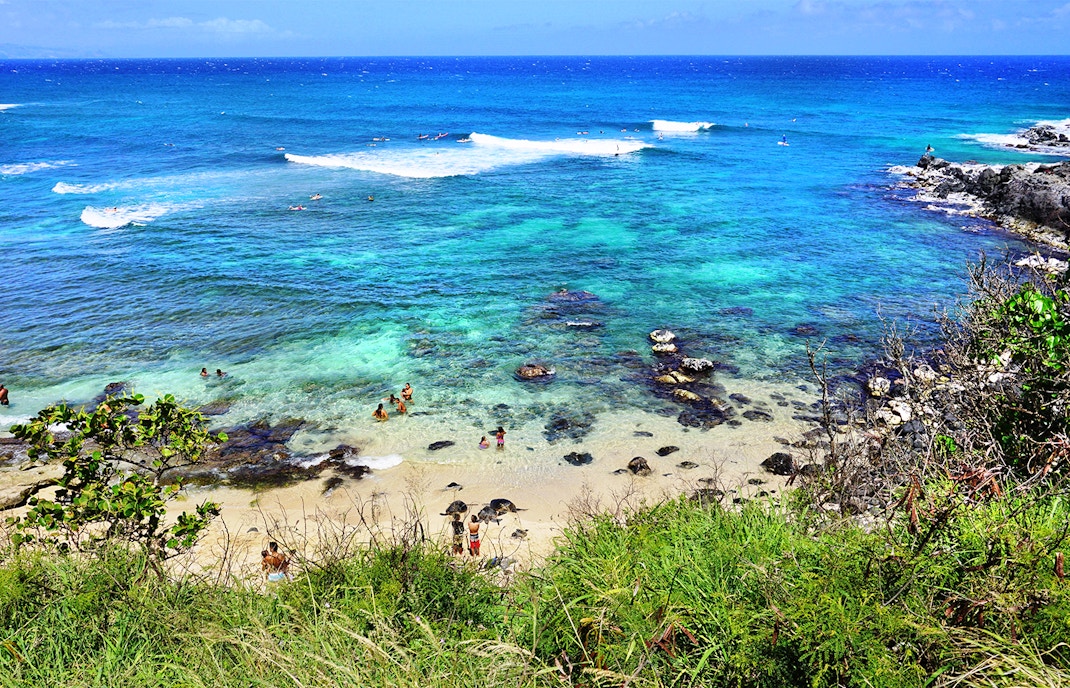
Calm beaches like Waikiki Beach and Poipu Beach are ideal for families thanks to gentle waves, lifeguards, and easy access to restaurants and restrooms nearby. Arriving early in the morning usually means calmer water, easier parking, and more space for kids to play safely.
Explore marine life 🐠
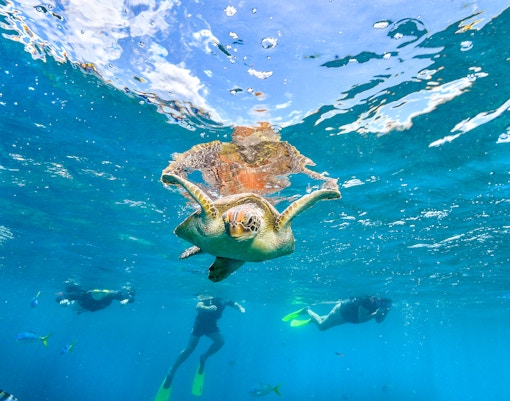
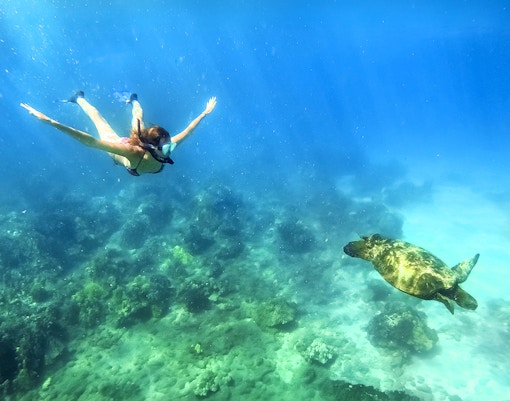
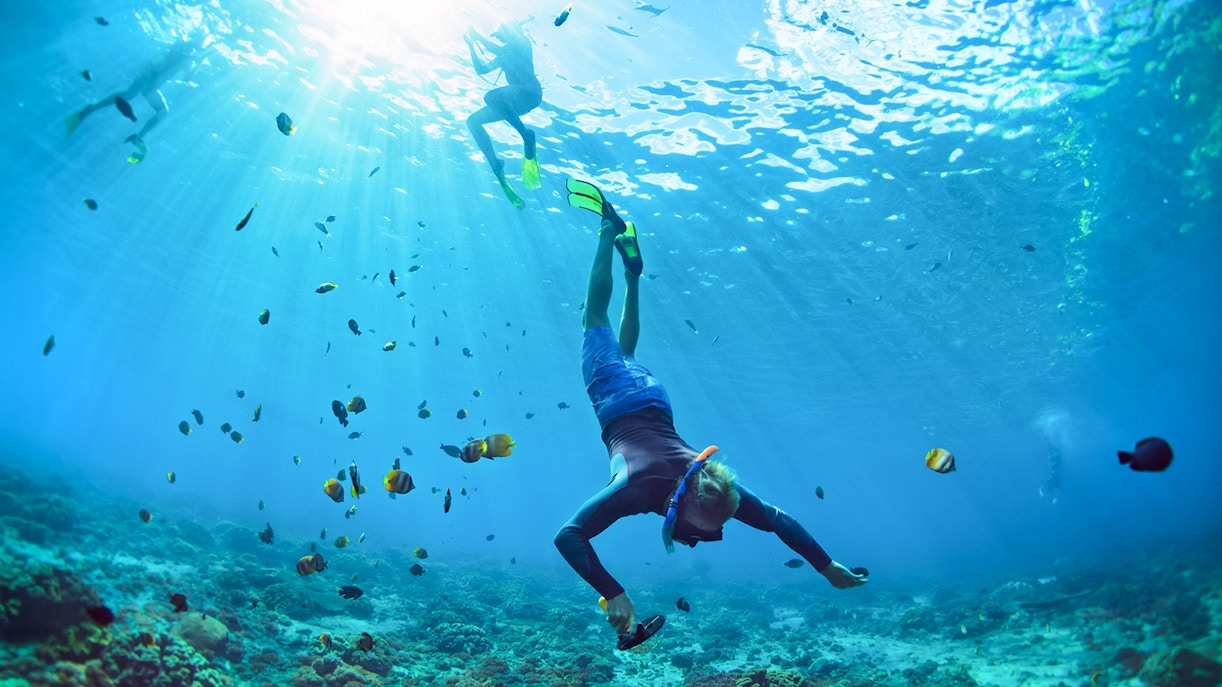
Hawaii is a fantastic destination for kids to see tropical fish, sea turtles, coral reefs, and even dolphins or manta rays on guided tours. Family-friendly snorkeling spots in Maui and Oahu often provide shallow water areas, rental gear, and beginner-friendly experiences for children.
Attend a luau 🌺
Many Hawaiian luaus are designed with families in mind, combining buffet dinners with hula performances, fire shows, music, and hands-on cultural activities. Booking an early evening luau works best for younger children since most performances begin around sunset and can run for several hours.
Discover volcanoes & waterfalls 🌋
National parks and scenic drives make Hawaii feel like a giant outdoor playground for families who enjoy nature and adventure. Easy walking trails, waterfall stops, lava tubes, and scenic viewpoints at places like Hawaii Volcanoes National Park make exploring exciting without requiring difficult hikes.
Solo travel in Hawaii
Hawaii is one of the easiest island destinations for solo travelers thanks to its welcoming atmosphere, well-developed tourism infrastructure, and wide variety of tours and group activities. Whether you want adventure, relaxation, nightlife, or nature, each island offers a slightly different solo travel experience.
Best islands for solo travelers 🌴
Oahu is best for nightlife, surfing lessons, group tours, and meeting other travelers around Waikiki and Honolulu.
Maui is great for scenic drives, beach days, whale watching, and a slower-paced solo trip.
Kauai is ideal for nature lovers looking for hiking, quiet beaches, and peaceful landscapes.
Island of Hawaii is perfect for volcano adventures, stargazing, and unique outdoor experiences.
Staying safe while traveling solo 🛡️
Hawaii is generally considered safe, but it’s still important to avoid isolated beaches and hiking trails after dark.
Keep valuables out of sight at beaches and never leave bags unattended in rental cars.
Ocean conditions can change quickly, so always check warning flags and local weather before swimming or snorkeling.
Best ways to meet other travelers 🌺
Group snorkeling tours, surfing lessons, and sunset cruises are easy ways to meet fellow travelers.
Waikiki has several social hostels, beach bars, and walking tours popular with solo visitors.
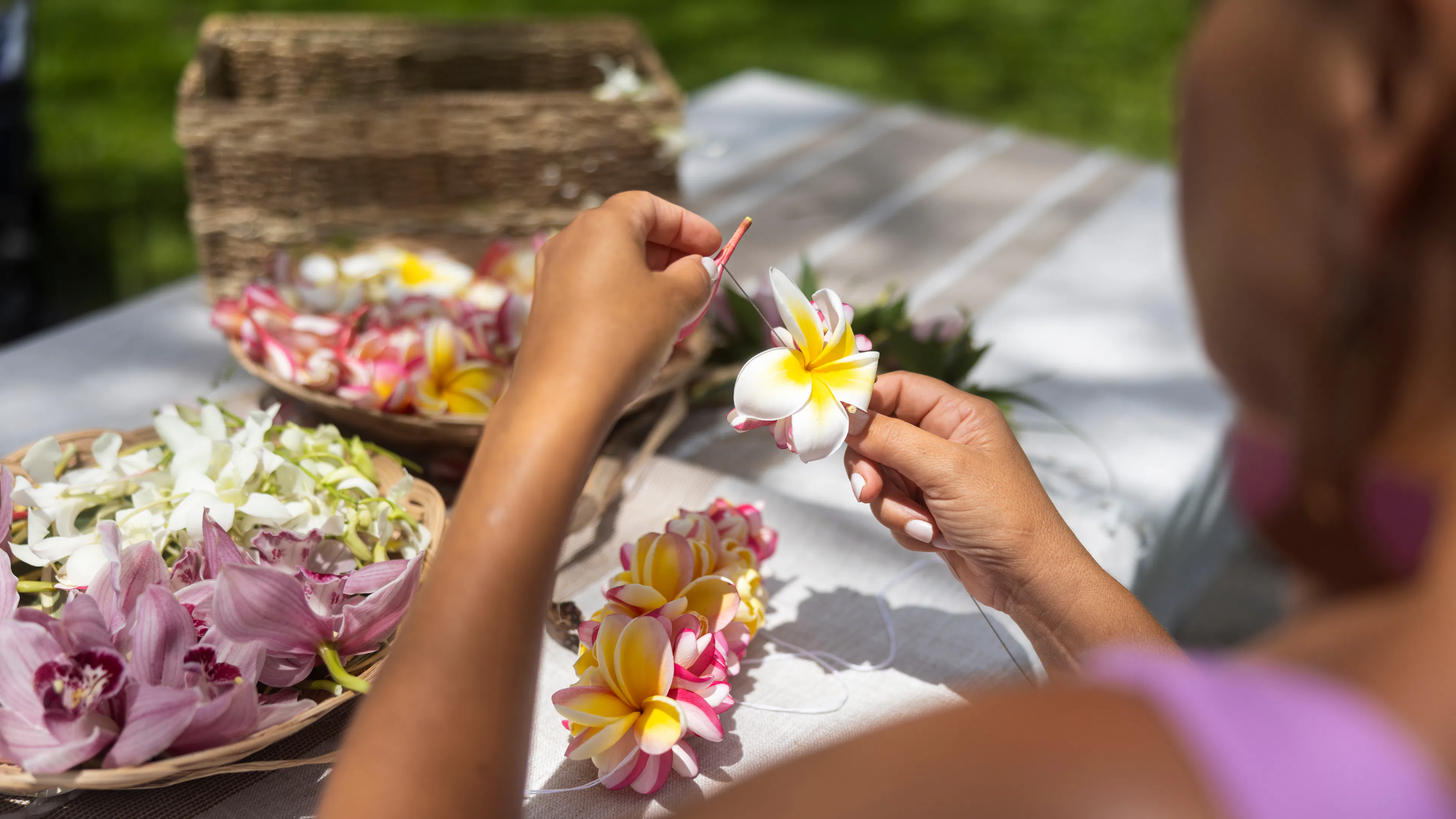
Cultural experiences like luaus, food tours, and lei-making workshops are also great for connecting with people.
Getting around solo 🚗
Renting a car gives you the most flexibility, especially on Maui, Kauai, and the Big Island where attractions are spread out.
Oahu is the easiest island to explore without a car thanks to public buses, Waikiki shuttles, and guided tours.
Booking organized day tours can help reduce transport stress while covering major attractions efficiently.
Where to stay in Hawaii
Waikiki, Oahu
Best for nightlife, beaches, shopping, and first-time visitors.
Lahaina & Kaanapali, Maui
Great for resorts, whale watching, and romantic vacations.
Kona, Big Island
Perfect for volcano adventures, coffee farms, and snorkeling.
Princeville, Kauai
Best for nature, hiking, and quieter luxury stays.
Neighborhood walks & hidden gems
North Shore, Oahu 🏄
Famous for surf culture, shrimp trucks, and laid-back beaches.
Upcountry Maui 🌄
Explore farms, local art galleries, and scenic mountain landscapes.
Hanapepe, Kauai 🎨
A charming small town known for art galleries and local markets.
Hilo, Big Island 🌺
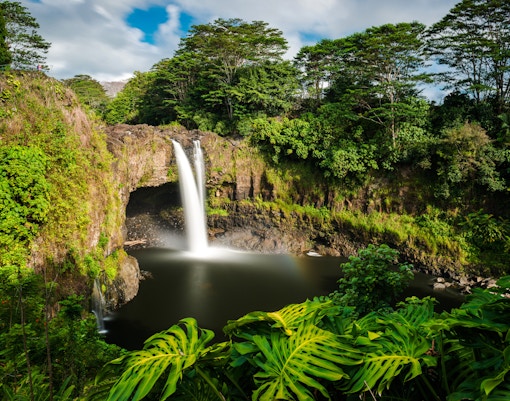
Less touristy than Kona, with waterfalls, gardens, and local culture.
Exploring Hawaii on a budget
Travel during shoulder season
Visiting Hawaii during spring (April to June) or fall (September to November) can help you save significantly on hotels, flights, and rental cars. These months usually bring warm weather, fewer crowds, and better availability at popular resorts and tours compared to the busy summer and winter holiday seasons. Booking flights at least 2–3 months in advance often helps secure the best prices.
Visit public beaches
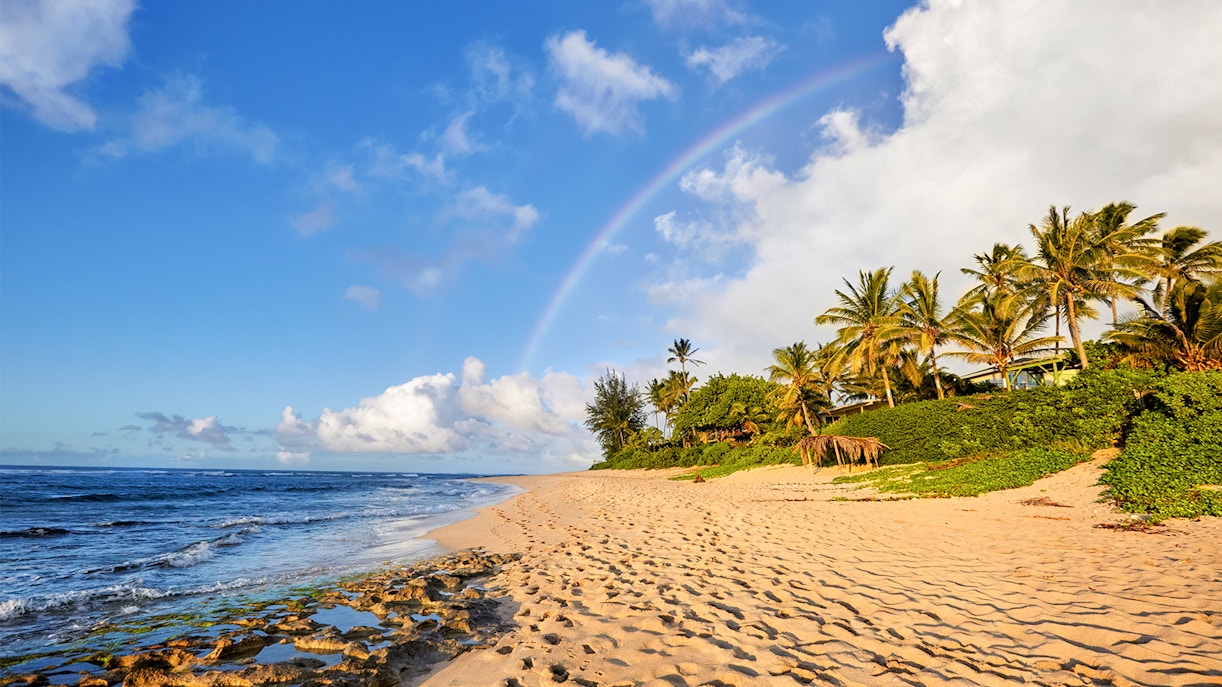
Many of Hawaii’s most beautiful beaches are completely free to access, including famous spots like Waikiki Beach and several beaches across Maui and Kauai. Packing your own beach towels, snacks, and snorkeling gear can help avoid expensive resort rental costs. Arriving early also helps save on parking fees and gives you quieter beach time.
Eat local
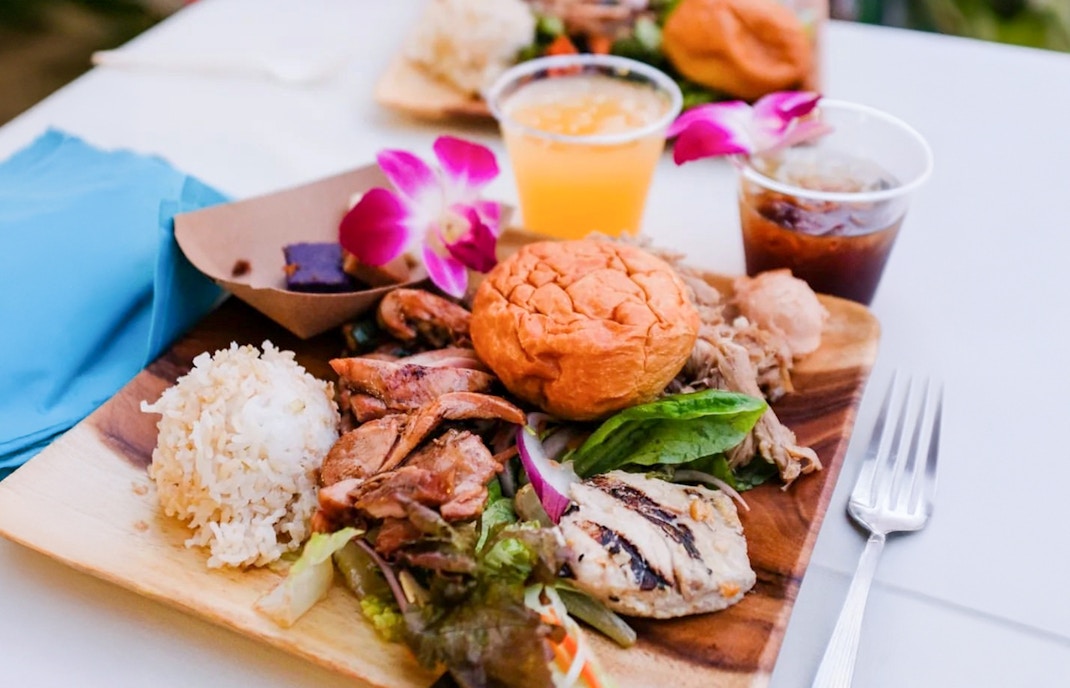
Local food trucks, casual diners, and plate lunch spots are often much more affordable than hotel restaurants while offering a more authentic taste of Hawaii. You’ll usually find generous portions of local favorites like poke, garlic shrimp, loco moco, and spam musubi at much lower prices than resort dining. Farmers markets are also great for budget-friendly tropical fruits, snacks, and quick breakfasts.
Book combo tours & attraction passes
If you’re planning multiple activities, bundled tours and attraction passes can help reduce overall sightseeing costs. Combo packages that include experiences like snorkeling cruises, luaus, island tours, or Pearl Harbor visits are often cheaper than booking everything separately. Booking online in advance also gives you access to early discounts and seasonal offers.
Tips to best explore Hawaii
Hawaiian weather can change quickly, especially near mountains and rainforests, so carrying a light rain jacket is useful even on sunny days.
Many beaches do not have lockers or shaded areas, so bringing a waterproof bag, extra water, and sun protection can make long beach days more comfortable.
Reservations are required for certain popular experiences and parks, including some sunrise visits and hiking areas, so checking entry rules in advance can save time.
Inter-island flights may look short on the map, but airport security, rental car pickups, and traffic can take longer than expected. Avoid planning tight connections.
Ocean conditions vary by beach and season, and some beaches that look calm can have strong currents, especially during winter surf season.
Tipping is standard across Hawaii for restaurants, tours, valet services, and activity guides, so budgeting a little extra for gratuities is helpful.
Some scenic drives and remote areas have limited mobile signal and fewer food stops, so downloading offline maps and carrying snacks is a good idea.
Early mornings are often the best time for sightseeing, with cooler temperatures, calmer beaches, and clearer views before afternoon clouds roll in.
Popular day trips from Hawaii
Nā Pali Coast boat tours
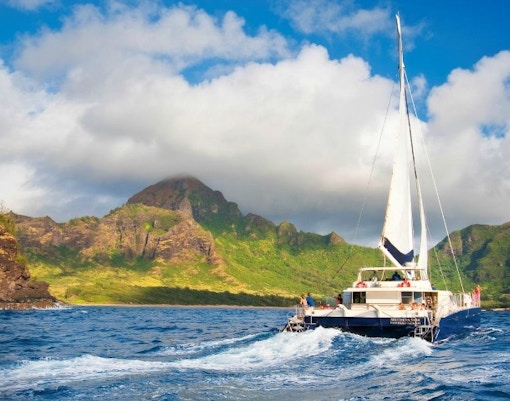
One of the best ways to explore Kauai’s dramatic cliffs, waterfalls, and sea caves is by boat, especially since much of the coastline is inaccessible by road. Morning tours usually offer calmer ocean conditions, while sunset cruises are popular for panoramic coastal views and dolphin sightings.
Road to Hana
The Road to Hana is one of Hawaii’s most scenic drives, filled with waterfalls, black sand beaches, rainforest views, and coastal lookouts along the way. Since the route includes hundreds of curves and narrow bridges, starting early and planning a full-day trip makes the experience much more enjoyable.
Pearl Harbor tours
Visiting Pearl Harbor National Memorial offers a deeper understanding of Hawaii’s role in World War II through museums, memorials, and historic naval sites. Arriving early in the morning usually means shorter entry lines and cooler temperatures for exploring the outdoor areas comfortably.
Volcano adventures
A day trip to Hawaii Volcanoes National Park lets visitors explore lava fields, volcanic craters, scenic viewpoints, and unique hiking trails shaped by active volcanoes. Weather near the summit areas can feel much cooler and windier than the beaches, so bringing layers and comfortable walking shoes is important.
Frequently asked questions about traveling to Hawaii
Oahu is usually the best choice for first-time visitors because it combines beaches, nightlife, hiking, shopping, history, and cultural attractions in one island. It also has the largest airport, the widest hotel options, and easier public transportation compared to the other islands.
A minimum of 7–10 days is ideal if you want to visit one or two islands without rushing. If you plan to island hop between places like Maui, Kauai, and the Big Island, 10–14 days gives you a more relaxed experience.
Spring (April to June) and fall (September to November) are often considered the best times to visit Hawaii because of pleasant weather, fewer crowds, and lower hotel prices. Winter is great for whale watching and surfing events, while summer is best for beach vacations and family travel.
Hawaii can be expensive, especially for beachfront hotels, dining, and rental cars, but planning ahead can help reduce costs. Traveling during shoulder season, eating at local food spots, and booking tours early are some of the easiest ways to save money.
Renting a car is highly recommended on Maui, Kauai, and the Big Island since many attractions, beaches, and scenic drives are spread out. On Oahu, travelers staying mainly around Waikiki and Honolulu can often rely on buses, shuttles, and guided tours instead.
Yes, each Hawaiian island offers a completely different experience, from volcanoes and black sand beaches to surf towns and rainforest landscapes. If you have at least a week in Hawaii, visiting two islands can give you a much more complete experience of the destination.
Popular Hawaiian dishes include Poke, Kalua pig, Loco moco, garlic shrimp, spam musubi, and shave ice. Local food trucks and plate lunch spots are often the best places to try authentic island flavors.
Yes, Hawaii is one of the best destinations for family vacations thanks to its beaches, wildlife tours, cultural experiences, and outdoor activities. Many resorts, luaus, snorkeling tours, and beaches are designed to be family-friendly and suitable for children of all ages.
Light clothing, swimwear, sandals, reef-safe sunscreen, sunglasses, and comfortable walking shoes are essentials for most Hawaii trips. If you plan to visit volcanoes, mountain summits, or go hiking, carrying a light jacket is also important since temperatures can feel much cooler away from the beaches.
Respect for nature and local traditions is very important in Hawaii. Visitors should avoid touching marine wildlife, removing lava rocks or sand, and entering restricted sacred areas while exploring the islands.
Popular festivals & events in Hawaii
1/5
Merrie Monarch Festival
Held every spring in Hilo on the Big Island, the Merrie Monarch Festival is one of the world’s most respected hula competitions and celebrations of Hawaiian culture. Expect traditional hula performances, craft fairs, parades, and cultural events throughout the week. Hotels in Hilo book up months in advance, so planning early is highly recommended.
Aloha Festivals
The Aloha Festivals take place across multiple Hawaiian islands, especially on Oahu, with floral parades, live music, hula performances, and street celebrations. Many events are free to attend, making this one of the best ways for visitors to experience Hawaiian culture and community traditions during September.
Kona Coffee Cultural Festival
Celebrated on the Big Island each November, this festival highlights Hawaii’s famous Kona coffee-growing heritage through farm tours, tastings, local food events, and cultural performances. It’s a great time to explore coffee plantations, meet local growers, and enjoy smaller community events away from the bigger tourist crowds.
Prince Lot Hula Festival
Held in Honolulu, the Prince Lot Hula Festival is one of Hawaii’s largest non-competitive hula events and focuses on preserving traditional Hawaiian culture. Visitors can enjoy free outdoor performances by hālau (hula schools), Hawaiian music, cultural demonstrations, and local food vendors in a more relaxed setting than larger commercial luaus.
Vans Triple Crown of Surfing
Taking place during winter on Oahu’s North Shore, the Vans Triple Crown of Surfing attracts some of the world’s best surfers to legendary beaches like Sunset Beach and Banzai Pipeline. Even if you’re not a surfing fan, the atmosphere, massive winter waves, and beachside energy make it an exciting event to experience while visiting Hawaii between November and December.