English
USD
Language
Currency
Contents

Check our guide on the Big Island’s weather to plan your trip more effectively

Knowing what the weather is like across its beaches, rainforests, volcanoes, and high-altitude summits can help you make the most of every adventure. From sunny coastlines to cool mountain breezes, here’s what to expect throughout the year, and how to choose the best time to visit.

Best time to visit the Big Island

  • Peak season: December to March, June to August
  • Shoulder season: April–May, September–October
  • Low season: November and early December (before the holidays)
  • For beach weather: April through October (warm, sunny, calm waters)
  • For volcano viewing: Year-round, but conditions are clearest from May to October
  • For stargazing at Mauna Kea: June through September (dryest nights)
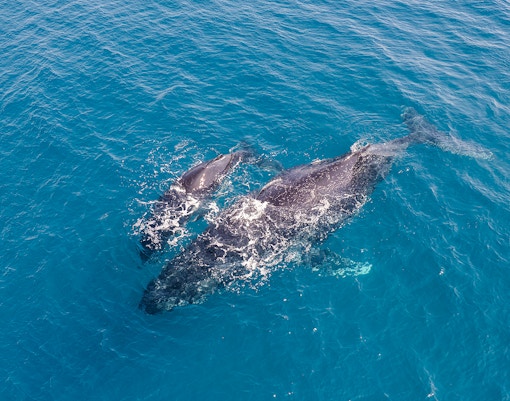
  • For whale watching: December through April
  • For water activities (snorkeling, manta rays, kayaking): May through September

Big Island seasons

Spring (March–May)

Spring brings warm days, slightly cooler evenings, and occasional showers along the Hilo side. The island is lush from winter rains, beaches are calmer, and crowds are lighter compared to summer.

  • Average temperatures: 70°F to 82°F (21°C to 28°C)
  • Ideal for: Visitors who want pleasant weather, fewer crowds, great snorkeling conditions, and vibrant scenery.

Recommended experiences:

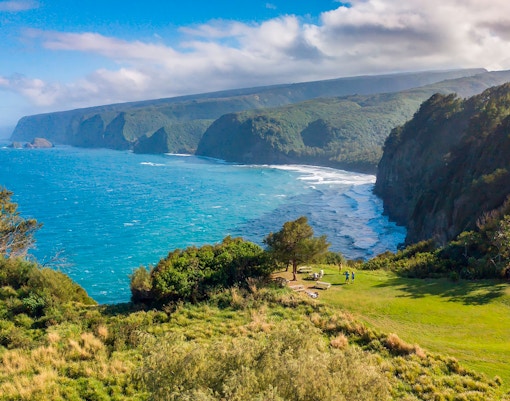
  • Big Island: Kohala Waterfalls Tour
  • Big Island: Maunakea Summit & Stars Tour

Summer (June–August)

Summer is warm, sunny, and lively across the island. It's beach season, with clear ocean waters and long daylight hours. Expect higher prices and larger crowds, especially in Kona and Waikoloa.

  • Average temperatures: 74°F to 88°F (23°C to 31°C)
  • Ideal for: Beach lovers, families, snorkelers, and travelers looking for predictable sunshine.

Recommended experiences:

  • Big Island: Volcano, Chocolate & Waterfall Tour
  • Big Island: Kohala Canopy Zipline Tickets
  • Big Island: Maunakea Summit & Stars Tour

Fall (September–November)

Fall brings stable weather, warm ocean temperatures, and fewer visitors. Hurricanes become less likely by mid-October, and the island enters one of its calmest periods.

  • Average temperatures: 72°F to 86°F (22°C to 30°C)
  • Ideal for: Travelers seeking the best mix of weather, prices, and crowd-free travel.

Recommended experiences:

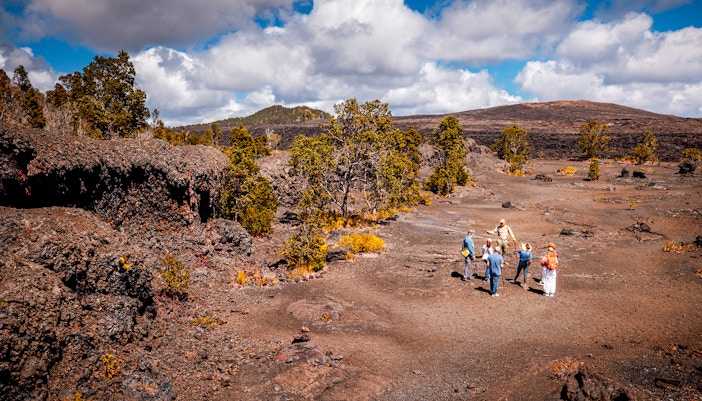
  • Big Island: Hidden Craters Hike

Winter (December–February)

Winter is cooler, especially at higher elevations. Hilo gets more rain while Kona stays mostly dry. Whale-watching season kicks off, and the summit of Mauna Kea can see snow.

  • Average temperatures: 66°F to 80°F (19°C to 27°C)
  • Ideal for: Visitors craving tropical winter sun, whale watchers, and those who love cool evenings and lush scenery.

Recommended experiences:

  • Big Island: Maunakea Summit & Stars Tour
  • Big Island: Kohala Waterfalls Tour

Monthly guide to the Big Island’s weather

January

January is one of the wetter months, especially along the Hilo and Hamakua coasts. Kona stays relatively drier with warm days and cooler nights. Trails in rainforest regions may be muddy, but visibility at higher elevations (like Mauna Kea) can be excellent.

  • Average temperature: 66°F to 81°F (19°C to 27°C)
  • Average rainfall: High on the Hilo side; moderate in Kona
  • Travel tip: Bring waterproof layers for waterfall hikes and warm clothing if visiting Mauna Kea, as it can be below freezing at the summit.

February

February remains warm and wet, especially in the east. Waterfalls are at peak flow, making waterfall tours especially scenic. Kona hikes remain more manageable.

  • Average temperature: 66°F to 81°F (19°C to 27°C)
  • Average rainfall: High on the windward side
  • Travel tip: Expect rain on Hilo-side tours. Pack a light rain jacket and waterproof footwear.

March

March brings slightly drier days and steady warm temperatures. Volcano areas may be misty, but coastal regions stay sunny.

  • Average temperature: 67°F to 82°F (19°C to 28°C)
  • Average rainfall: Moderate
  • Travel tip: Great month for Hidden Craters and Kohala hikes, cool, breezy, and less crowded.

April

One of the best months to visit, with comfortable temperatures, fewer showers, and great ocean conditions.

  • Average temperature: 68°F to 83°F (20°C to 28°C)
  • Average rainfall: Decreasing
  • Travel tip: Ideal for combo adventures: zipline + waterfall, crater hikes, and volcano tours.

May

Warm, sunny, and stable weather makes May one of the Big Island’s most reliable months. Cloud forest hikes are lush and photogenic.

  • Average temperature: 69°F to 84°F (21°C to 29°C)
  • Average rainfall: Low
  • Travel tip: Book Mauna Kea tours early; spring offers some of the clearest stargazing.

June

Summer begins with dry conditions on the Kona side. Hilo remains wet but manageable.

  • Average temperature: 71°F to 86°F (22°C to 30°C)
  • Average rainfall: Low
  • Travel tip: Great for ziplining and coastal explorations. Bring sun protection for long outdoor tours.

July

Warm, humid, and lively. Afternoon showers are common, mostly in the east. Waterfall and rainforest areas are especially vibrant.

  • Average temperature: 72°F to 87°F (22°C to 31°C)
  • Average rainfall: Moderate (trade wind showers)
  • Travel tip: Choose morning tours for clearer skies. Hydrate well, as humidity can be high.

August

August is hot and humid, with occasional tropical storms. Most days still offer plenty of sunshine, especially in Kohala and Kona.

  • Average temperature: 73°F to 88°F (23°C to 31°C)
  • Average rainfall: Moderate
  • Travel tip: Avoid midday hikes, as the heat and humidity peak. Sunset and evening stargazing tours shine this month.

September

One of the calmest weather months. Warm, stable days and lighter crowds make it ideal for adventure tours.

  • Average temperature: 73°F to 88°F (23°C to 31°C)
  • Average rainfall: Moderate, decreasing
  • Travel tip: This is prime time for volcano hikes and long outdoor adventures.

October

October marks the start of wetter weather on the windward side, but temperatures remain warm.

  • Average temperature: 72°F to 87°F (22°C to 31°C)
  • Average rainfall: Increasing
  • Travel tip: Bring rain protection for Hilo-side tours; Kona and Kohala stay mostly dry.

November

Expect more frequent showers island-wide, though the Kona side remains the driest.

  • Average temperature: 69°F to 84°F (21°C to 29°C)
  • Average rainfall: High in many regions. Expect more frequent showers island-wide, though the Kona side remains the driest.
  • Travel tip: Great time for volcano tours, cool air, and dramatic cloud formations enhance views.

December

December is warm but wet, especially along the rainfall-rich east. Summit areas (Mauna Kea) may experience snow.

  • Average temperature: 67°F to 82°F (19°C to 28°C)
  • Average rainfall: High
  • Travel tip: Dress warmly for high-elevation tours. Check weather updates, as summit access may vary.


Book Big Island tours

Big Island: Maunakea Summit & Stars Tour
Free cancellation
Book now, pay later
8 hr 30 min
Transfers included
Meals included
More details
from
$250.47
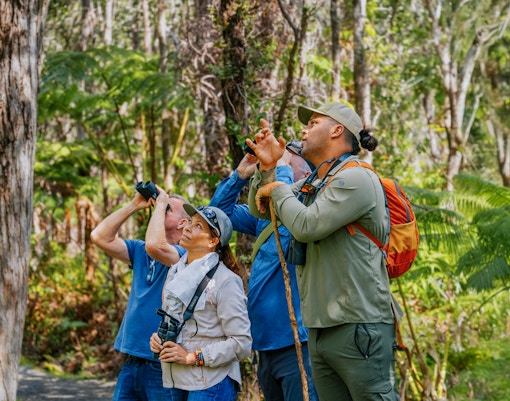
Big Island: Hakalau Forest Birdwatching Tour
Free cancellation
Book now, pay later
12 hr
Meals included
More details
from
$230.37
Big Island: Volcano, Chocolate & Waterfall Tour
Free cancellation
Book now, pay later
11 hr
Meals included
More details
from
$247.12
Big Island: Hidden Craters Hike
Free cancellation
Book now, pay later
5 hr
More details
from
$154.97
Big Island: Kohala Waterfalls Tour
Free cancellation
Book now, pay later
7 hr 30 min
Meals included
More details
from
$208.59
Big Island: Kohala Canopy Zipline Tickets
Free cancellation
Book now, pay later
3 hr
More details
from
$196.86
Big Island: Kohala Waterfalls and Canopy Zip & Dip Tour
Free cancellation
Book now, pay later
8 hr
Meals included
More details
from
$272.25

Frequently asked questions about the Big Island’s weather

Is the weather the same across the Big Island?

No, Big Island has 11 of the world’s 13 climate zones, meaning temperatures and conditions vary widely. You can experience sunny beaches, cool forests, misty highlands, and even snow on Mauna Kea in a single day.

Does it rain a lot on the Big Island?

Rainfall depends heavily on location. Hilo and the east side are wetter year-round, while Kona and the west coast stay much drier with plenty of sunshine. Afternoon showers are common in higher elevations.

What is the warmest time of year?

Summer (June–September) is the warmest, with coastal temperatures around 85–90°F (29–32°C). Even in summer, nights can feel cool in upland areas like Volcano or Waimea.

Does the Big Island get hurricanes or tropical storms?

Hurricanes rarely make direct landfall, but the island may experience heavy rain or strong winds during hurricane season (June–November). Most tours are not affected.

Will it be cold on Mauna Kea?

Yes, Mauna Kea can drop below freezing year-round. Evenings at the summit often hover around 25–40°F (–4 to 4°C). Warm layers are essential for stargazing tours.

Does the island experience volcanic smog (vog)?

When Kīlauea is active, vog (volcanic haze) can drift across the island, especially toward Kona. It usually depends on wind direction and lava activity levels.

Is it safe to swim year-round?

Generally, yes, but winter can bring stronger surf, especially on the Hilo and Hamakua coasts. Always check local ocean conditions.

When is the best time for stargazing?

April through October offers the clearest, driest skies, making them ideal for nighttime activities on Mauna Kea and Hualālai.

More reads

Plan your visit

Hotels

Directions