- Kohala is the legendary birthplace of King Kamehameha I, the ruler who united the Hawaiian Islands, making the region historically and culturally significant.
- The Kohala region is the oldest part of the Big Island, shaped by millions of years of erosion. This long history created the deep valleys, dramatic ridges, and towering waterfalls you see today.
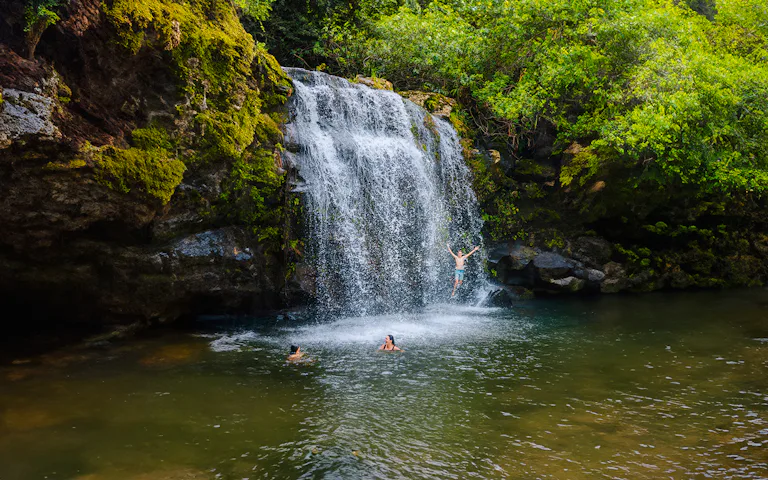
- Many Kohala waterfalls flow from pristine rainwater that filters through dense forests and ancient lava, creating some of the clearest freshwater streams in Hawaiʻi.
- Kohala’s most stunning waterfalls sit on privately owned, protected lands, which is why guided tours offer rare access to landscapes the general public cannot visit on their own.
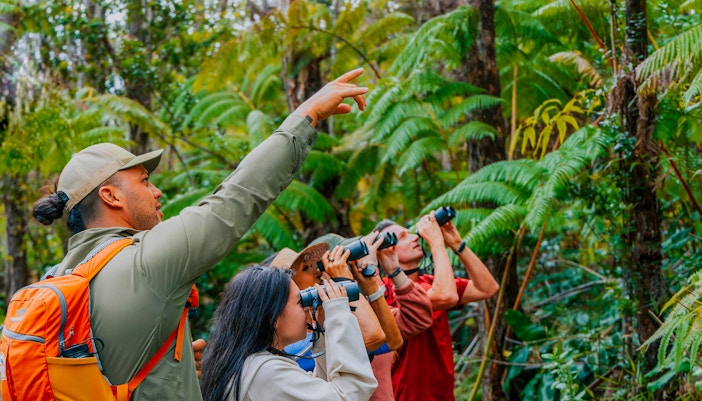
- Upper Kohala receives over 150 inches of rain annually, supporting endangered birds, native plants, and rare ecosystems found nowhere else on Earth.
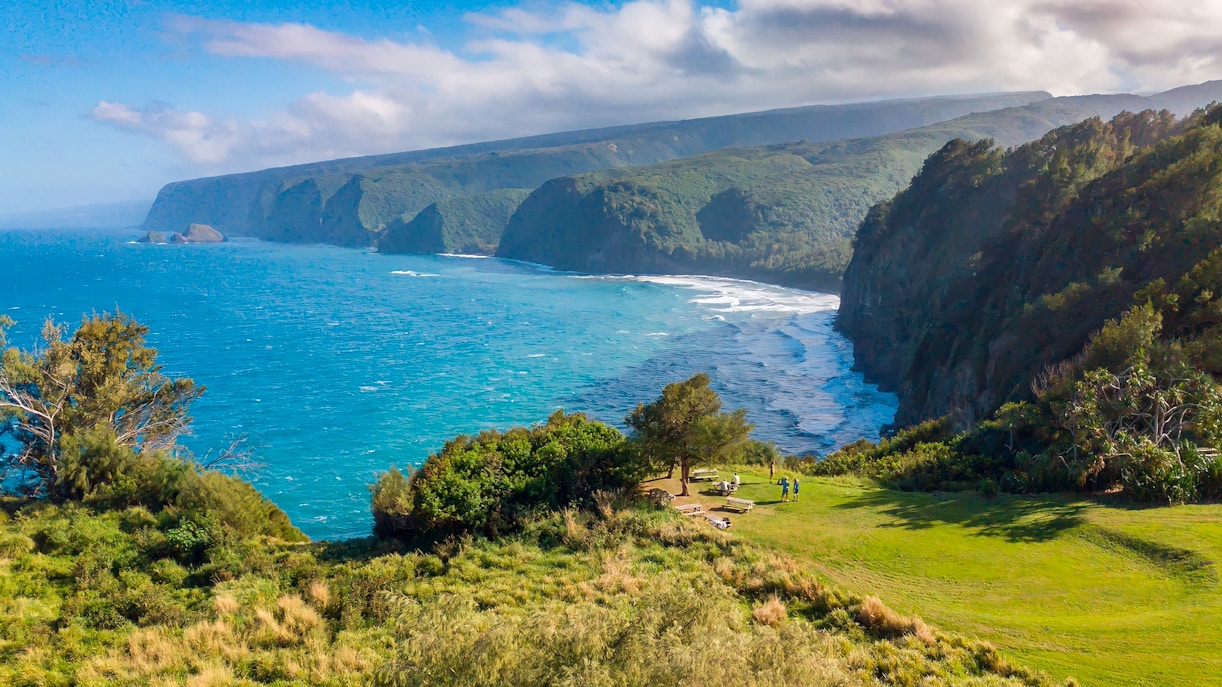
- Kohala is one of the few places on the island where you can see multiple ecosystems, lush rainforest, flowing cascades, and sweeping coastal vistas, all in one journey.
Did you know
What to expect on your Kohala waterfalls tour
1/8
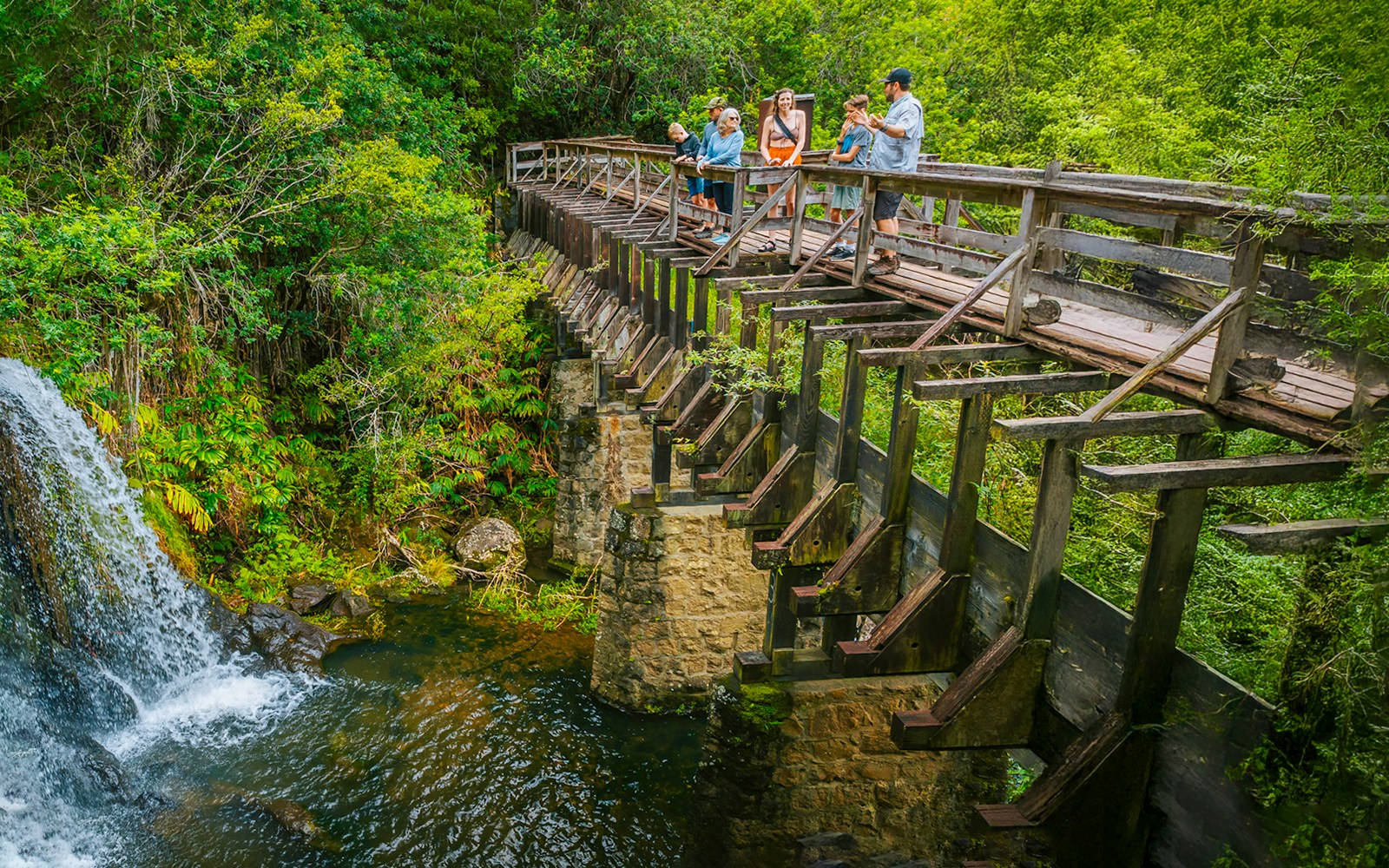
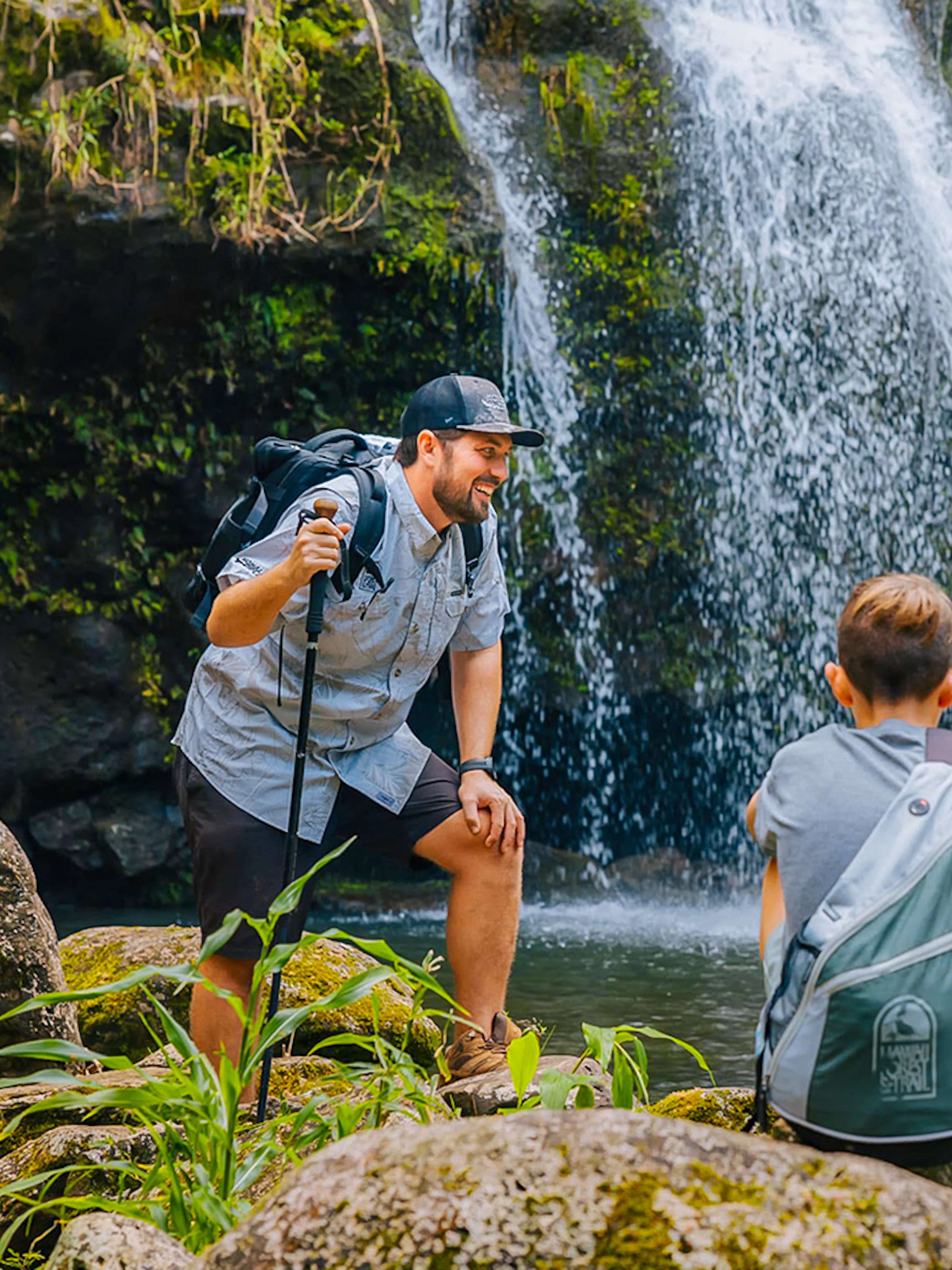
Walk through pristine private nature reserves
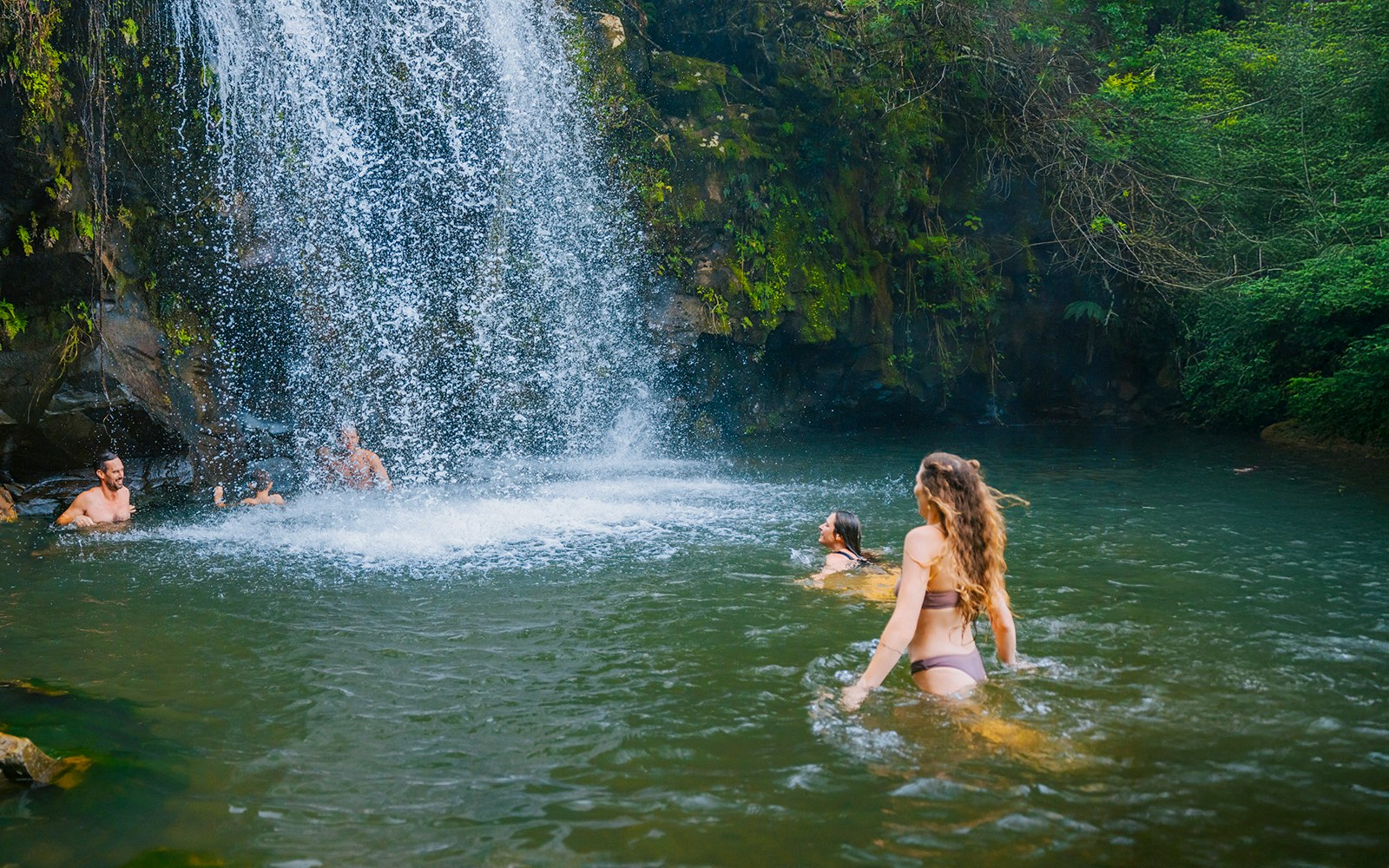
Explore multiple cascading waterfalls
Swim in a Secluded Mountain Pool
Go off-road to reach hidden spots
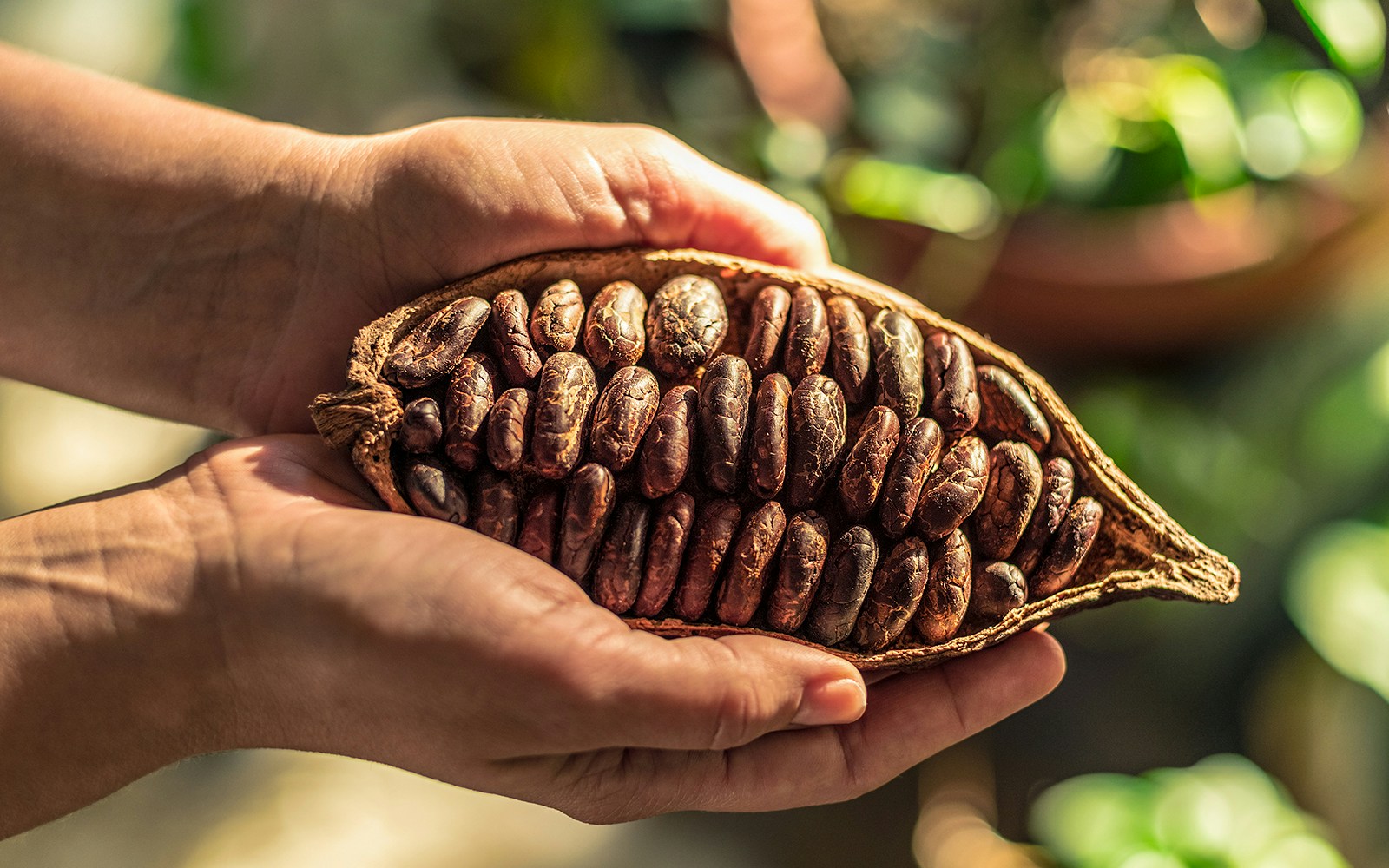
Taste Hawaiian chocolate & learn about local agriculture
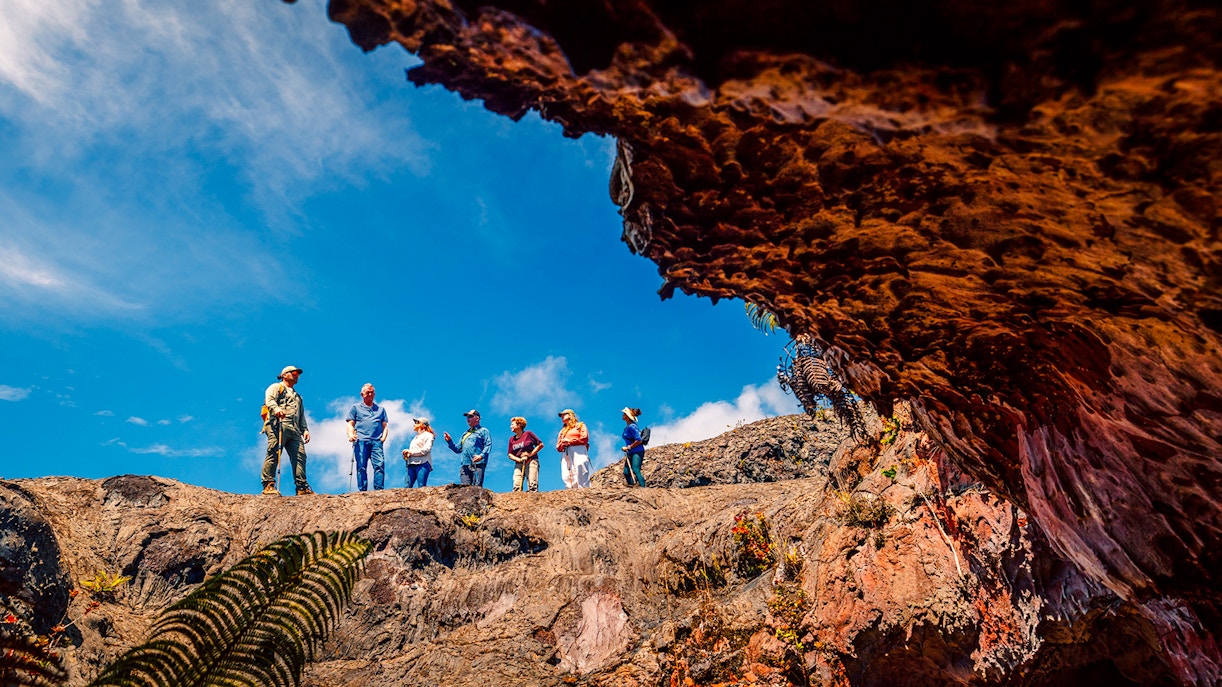
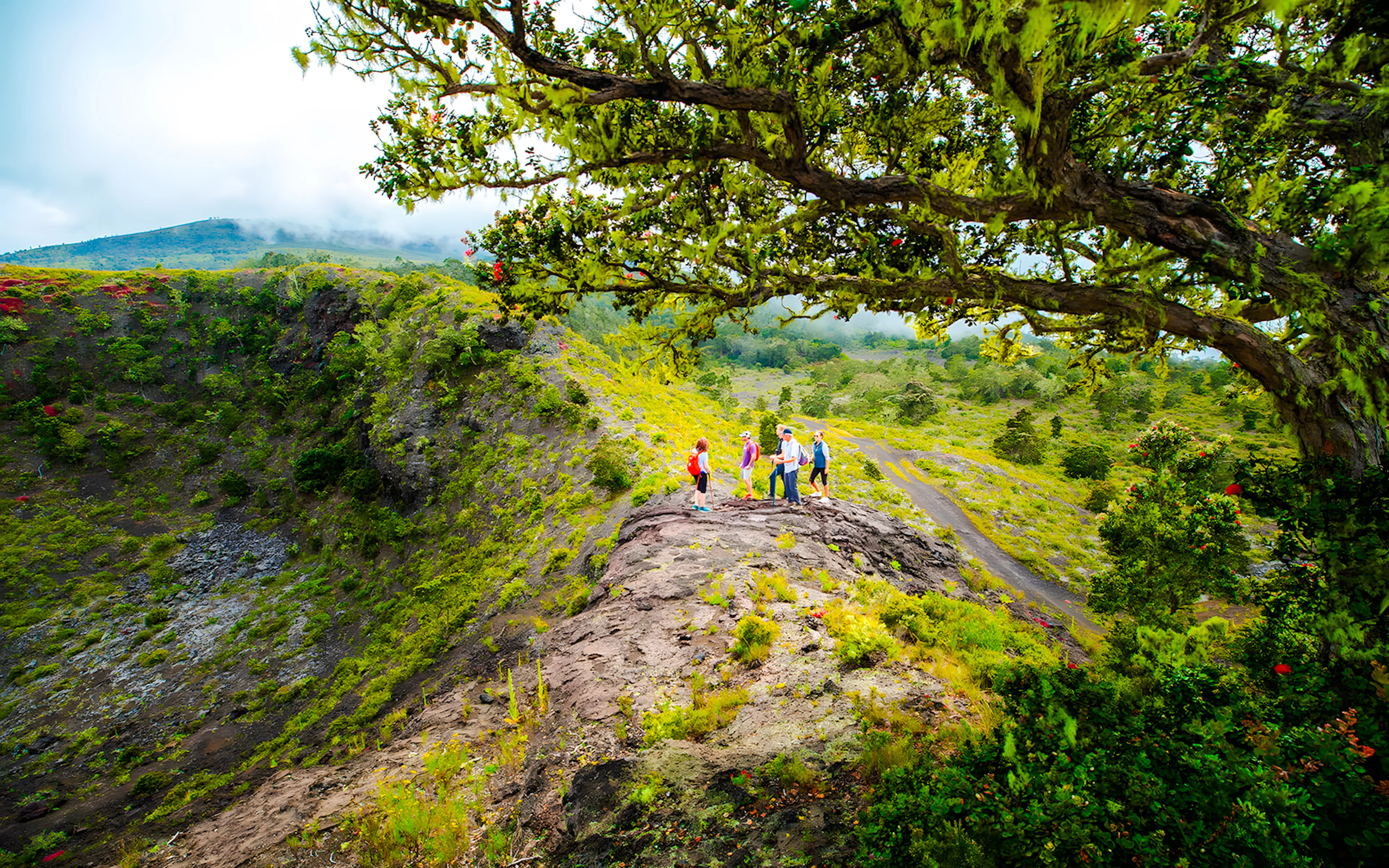
Witness volcanic landscapes & Hawaiian history
Enjoy a picnic lunch surrounded by nature
Learn from expert naturalist guides
Route maps of your waterfalls tours

1/3
Volcano, Chocolate & Waterfall Tour
Kohala Waterfalls Tour
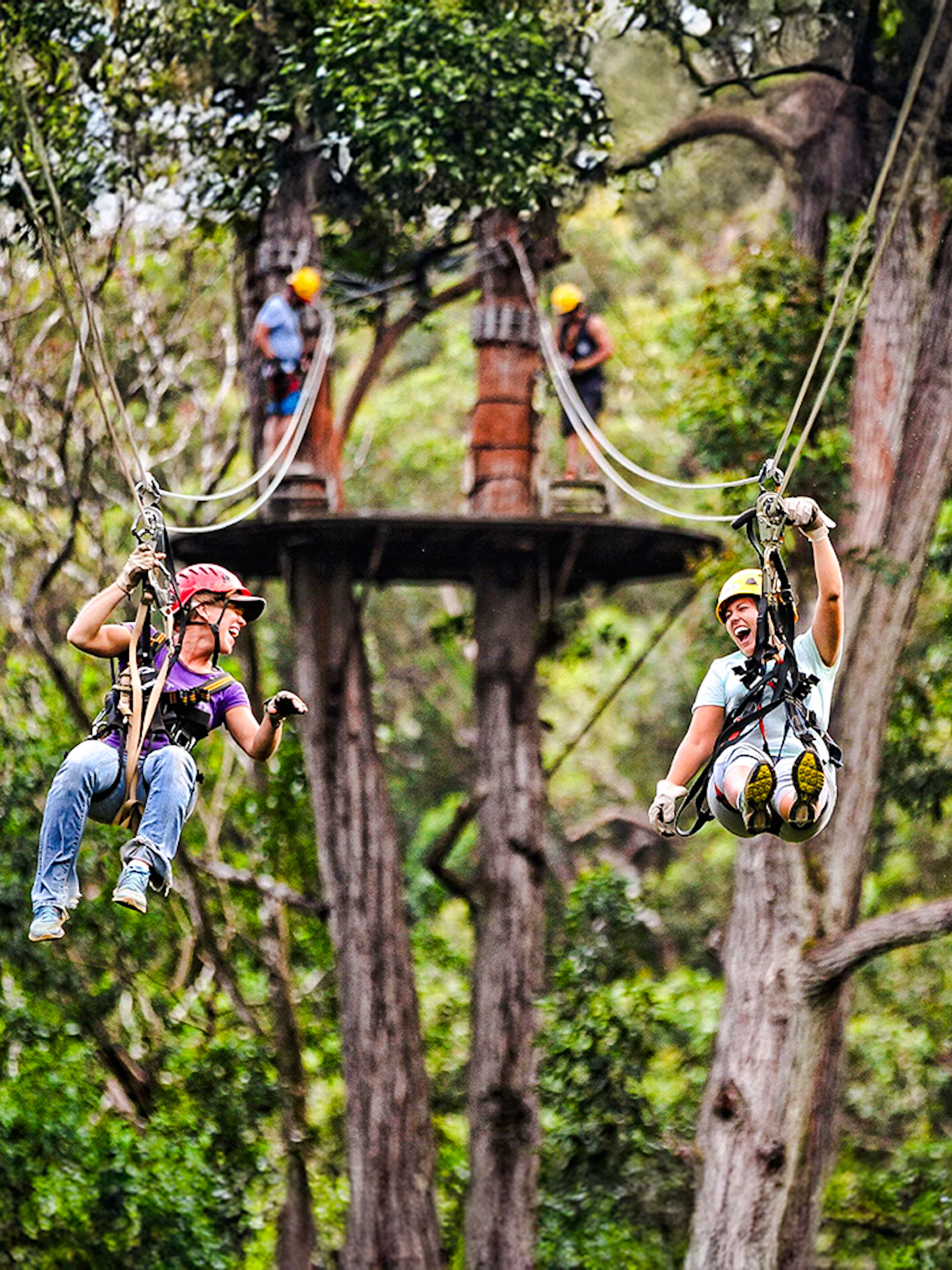
Kohala Waterfalls & Canopy Zip & Dip Tour
Your tour options explained
| Tours | Duration | Transportation | Highlights | Food included | Booking link |
|---|---|---|---|---|---|
Volcano, Chocolate & Waterfall Tour | 11–12 hours | Yes, round-trip transportation | Explore Hawai‘i Volcanoes National Park, walk ancient lava fields, visit Rainbow Falls, tour a private cacao farm, enjoy a tasting session, and soak in stunning coastal scenery. | No | Book now |
Kohala Waterfalls Tour | 6–7 hours | Yes, round-trip transportation | Explore lush valleys, enjoy easy guided hikes, visit scenic waterfalls, swim beneath one, and discover Hawaii’s historic agricultural sites. | Yes, a picnic lunch | Book now |
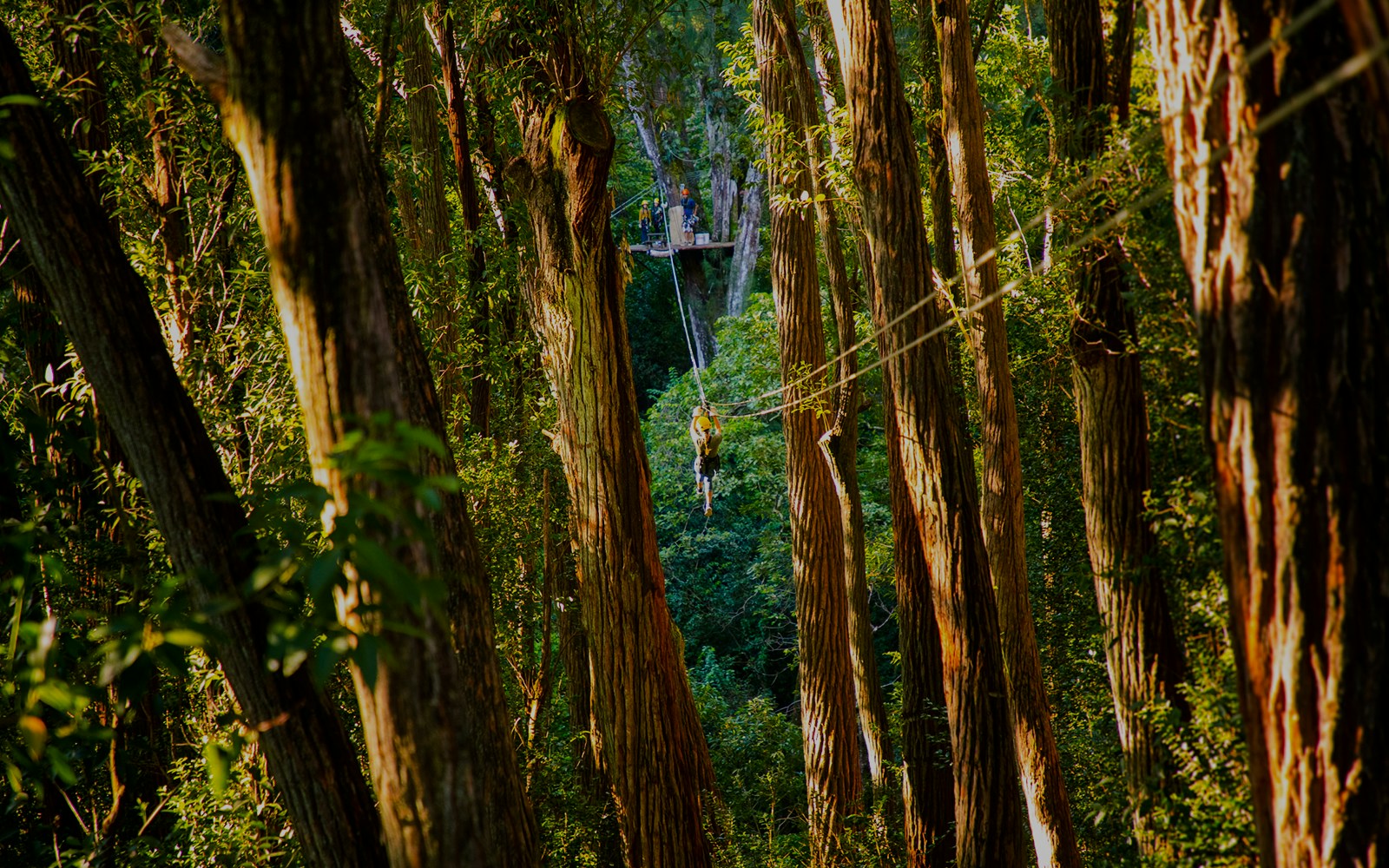
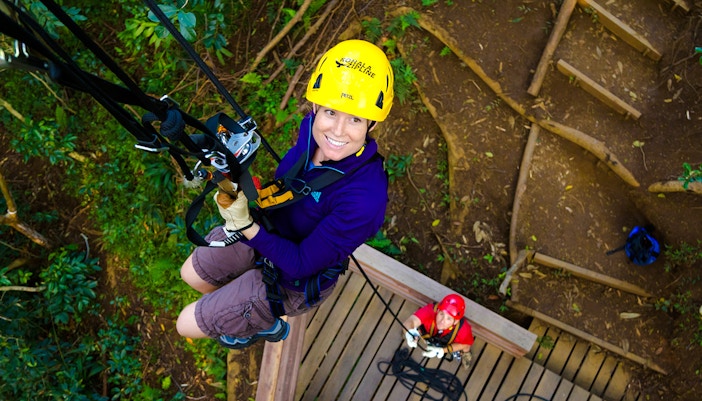
Kohala Waterfalls & Canopy Zip & Dip Tour | 8–9 hours | Yes, round-trip transportation | Zip through a full canopy course, swim beneath a mountain waterfall, enjoy a picnic lunch, ride rugged off-road trails, and admire Kohala’s landscapes | Yes, a picnic lunch | Book now |
Check out some of the highlights of the Kohala waterfalls tour
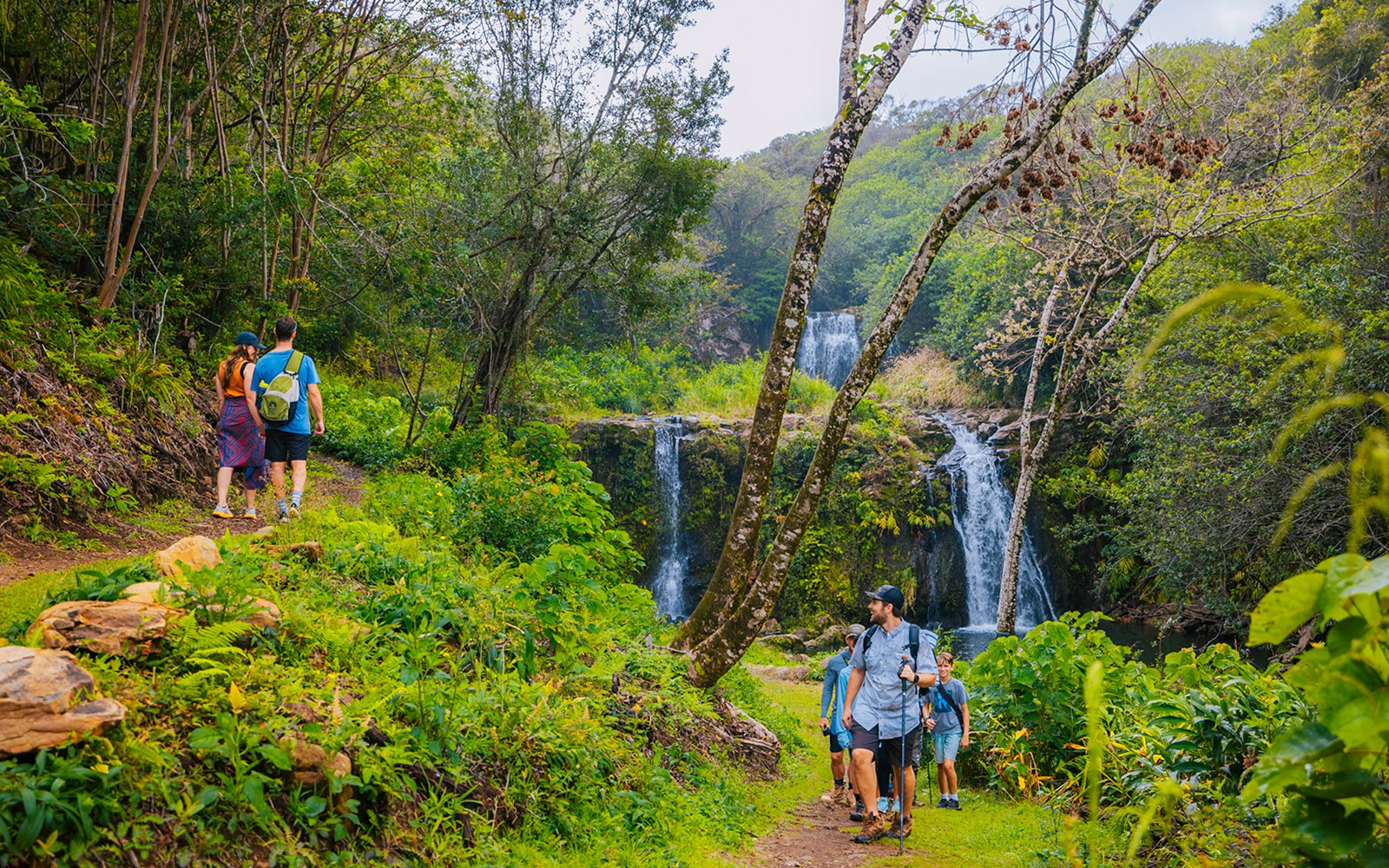
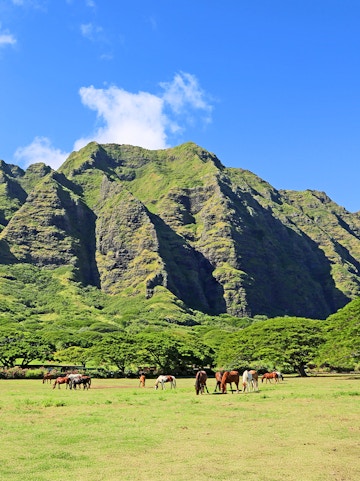
Walk through Hawai‘i’s untouched valleys