English
USD
Language
Currency

Mauna Kea stargazing tour

Expert guides. Unique insights.
Tours in multiple languages
Top experiences in Hawaii

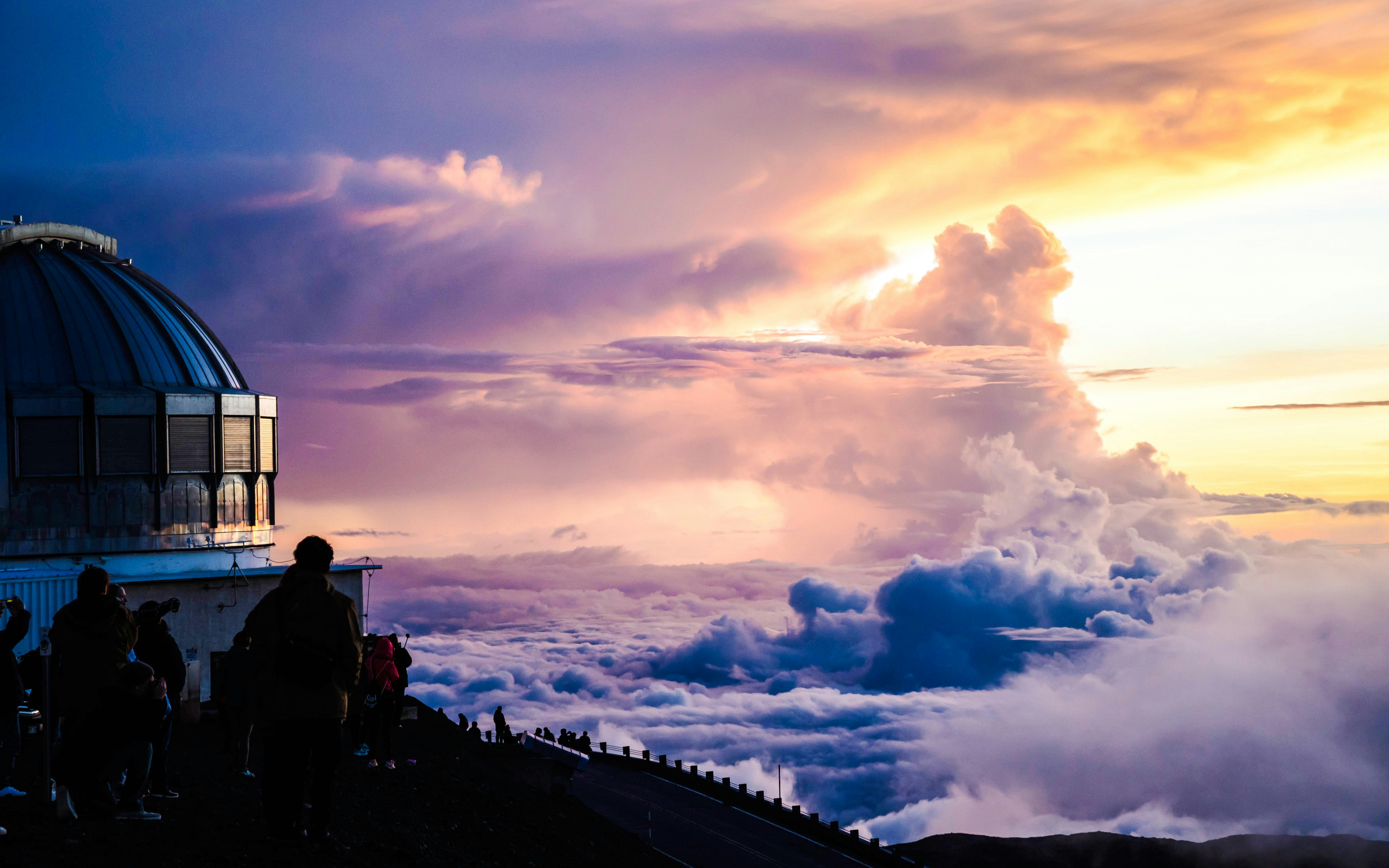
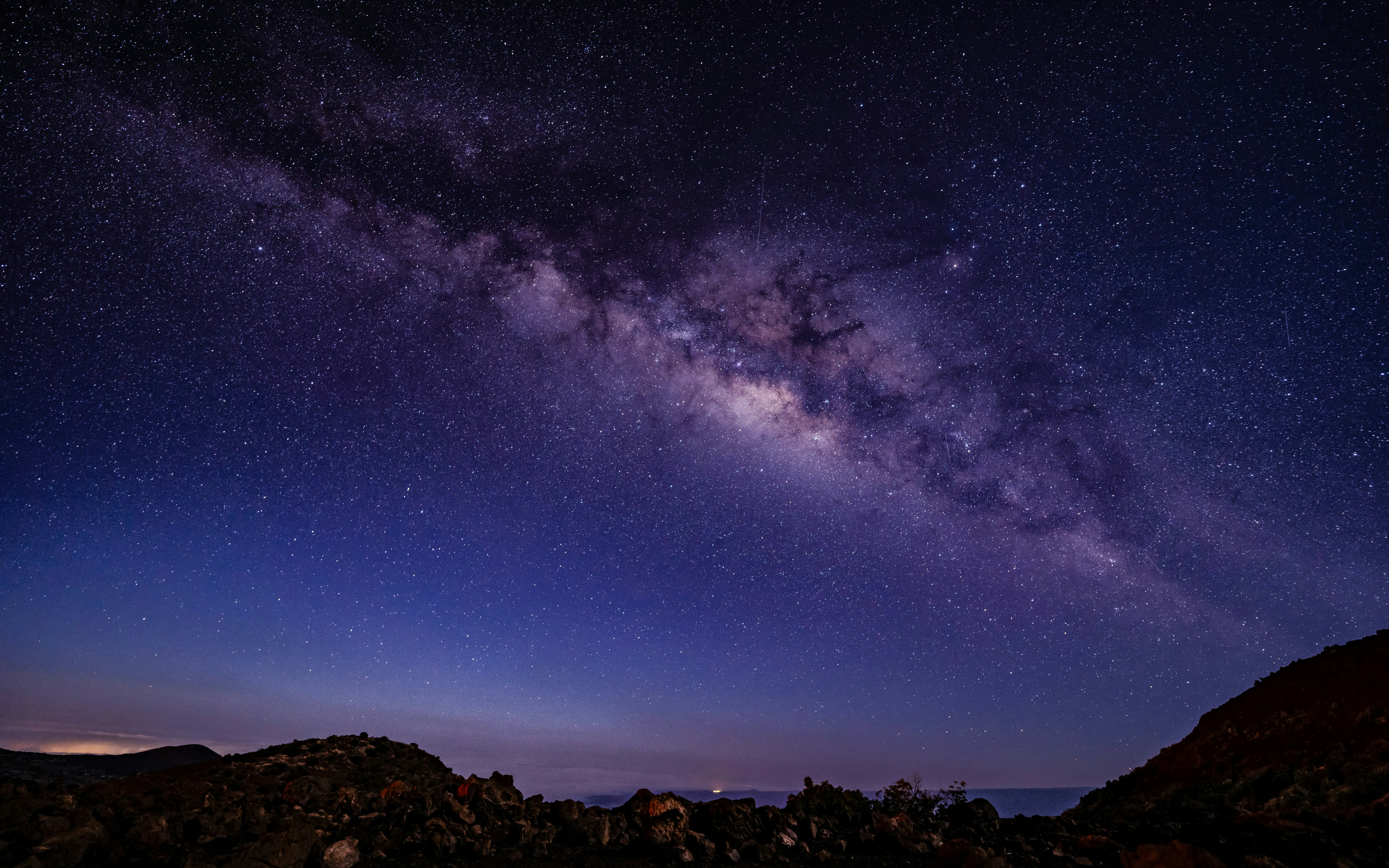
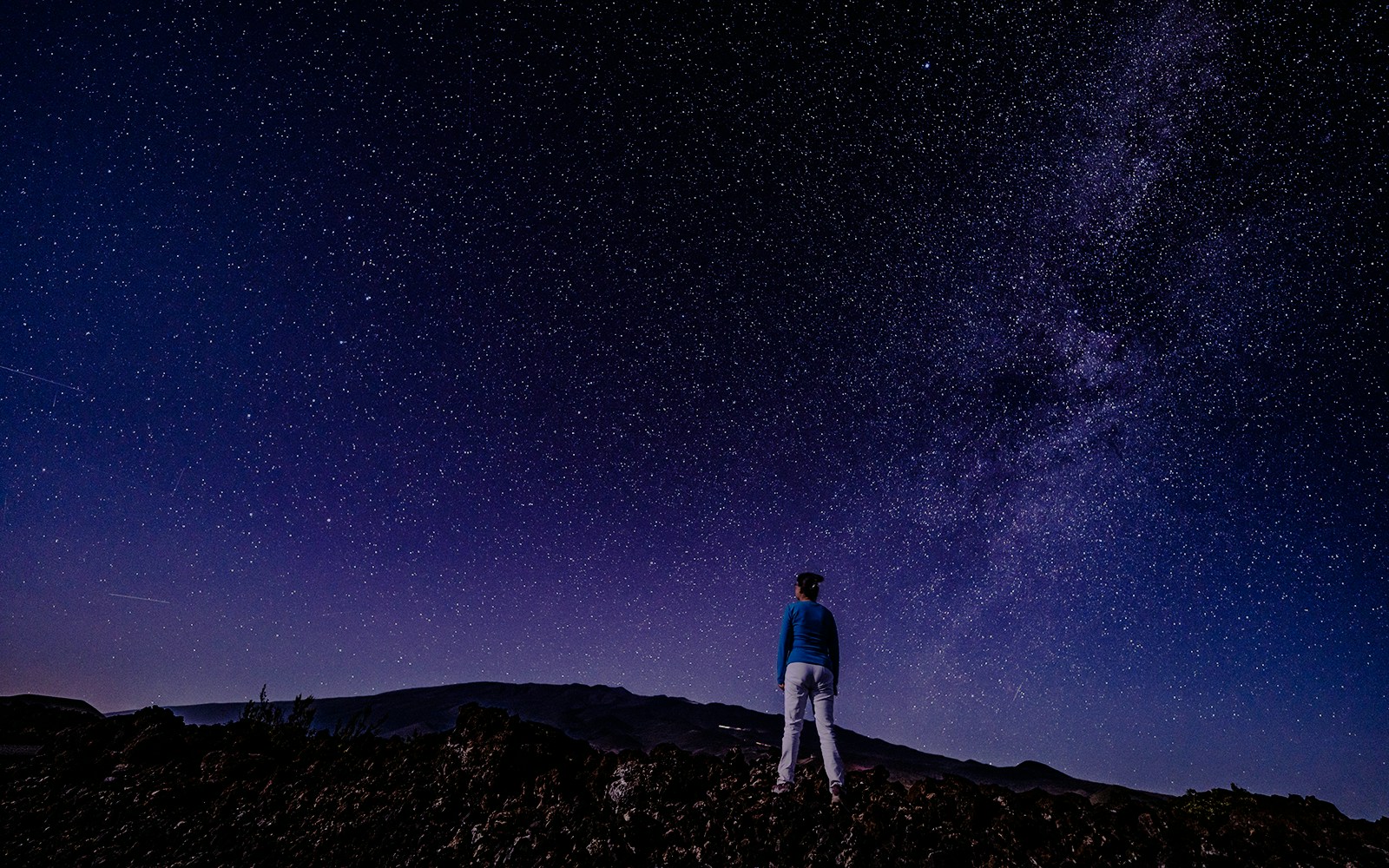
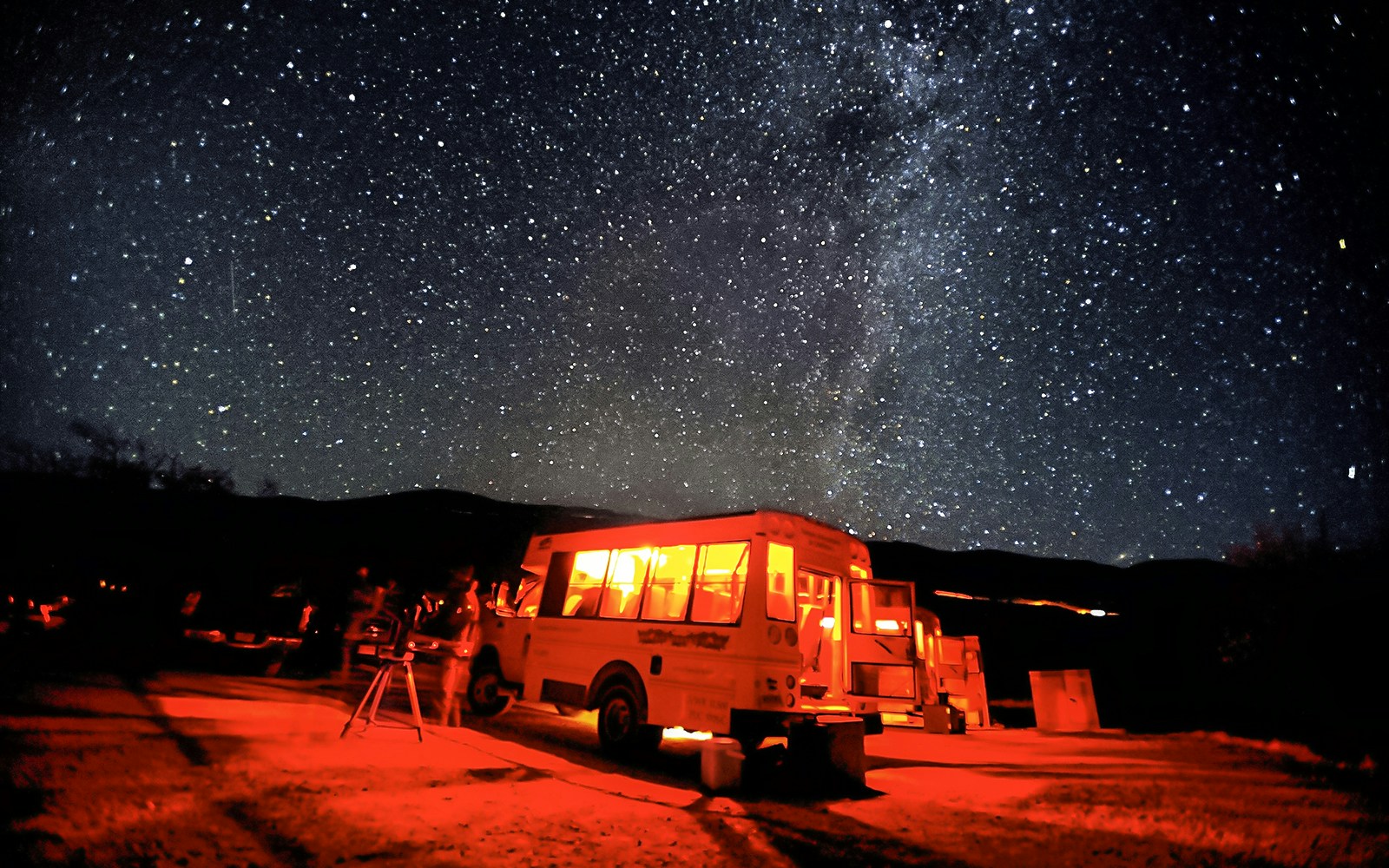
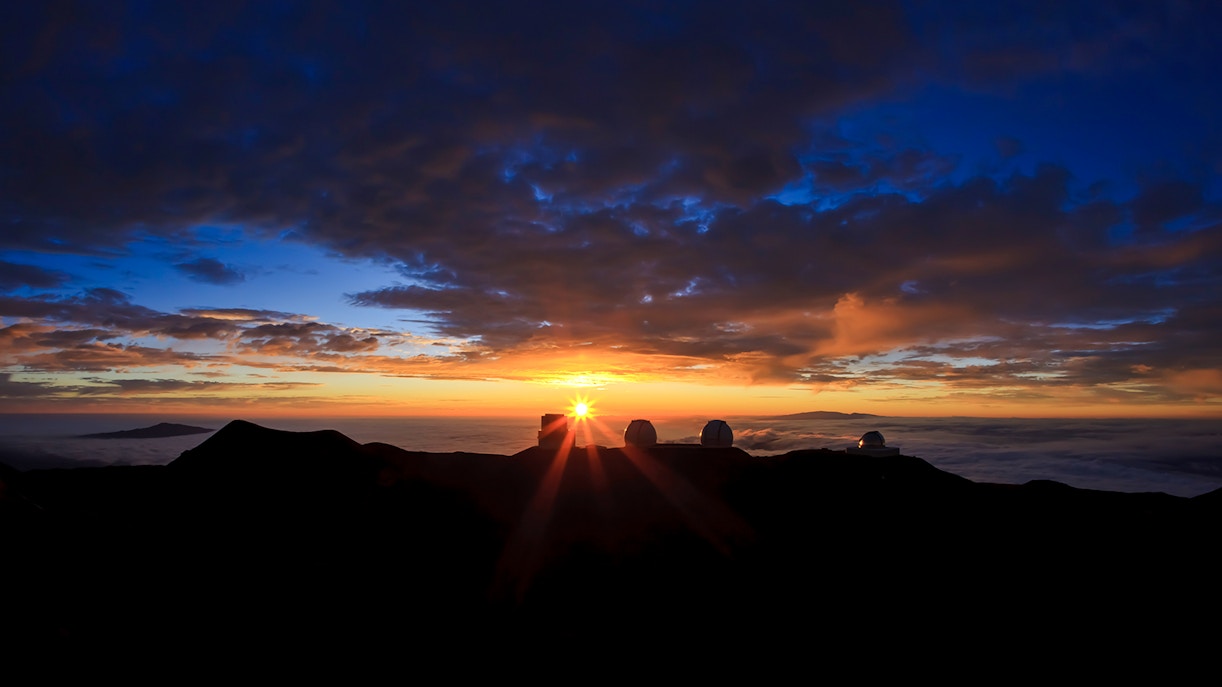
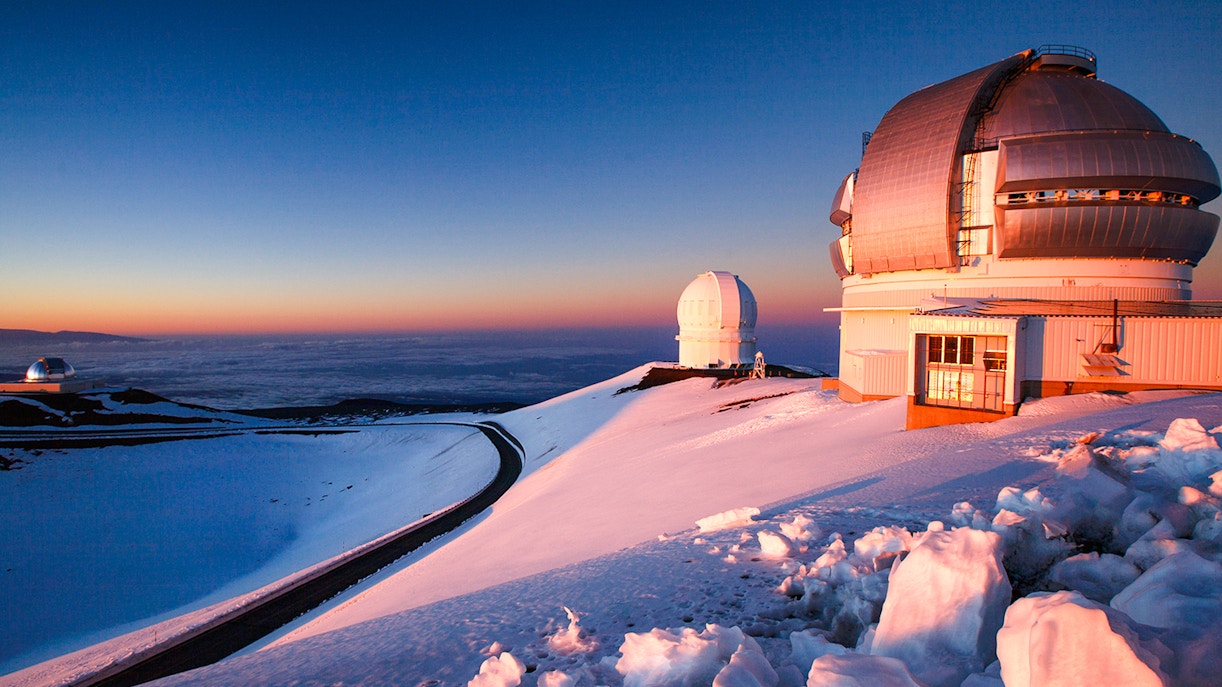
Experience the unique landscape of Mauna Kea as you watch the sun set above the clouds from its slopes. After sunset, continue to a lower elevation for a guided stargazing session using professional telescopes that clearly reveal planets, nebulae, and other deep-space objects. With provided winter gear, a warm picnic dinner, and a small-group format, this tour combines science, culture, and the natural beauty of Hawaii’s night sky in a relaxed, memorable way.

Did you know

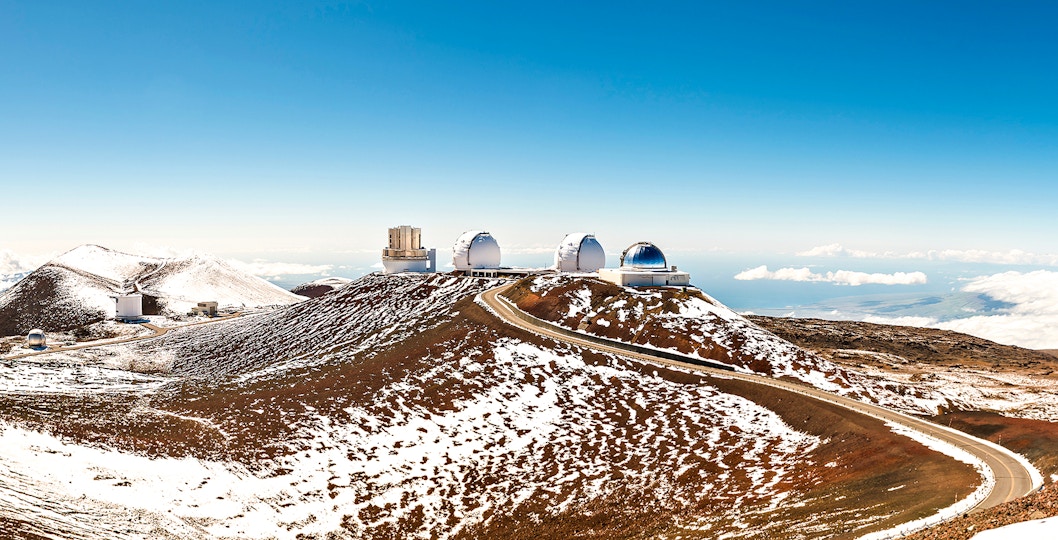
  • Mauna Kea means “White Mountain” in Hawaiian, referring to its snowcapped peaks.
  • Mauna Kea is the tallest mountain on Earth when measured from its base on the ocean floor, towering over 33,000 feet (10,000 meters), even higher than Mount Everest.
  • Mauna Kea is a dormant volcano, and its last known eruption happened about 4,500 years ago.
  • The mountain is sacred in Hawaiian culture, considered the meeting point between the physical world and the spiritual realm.
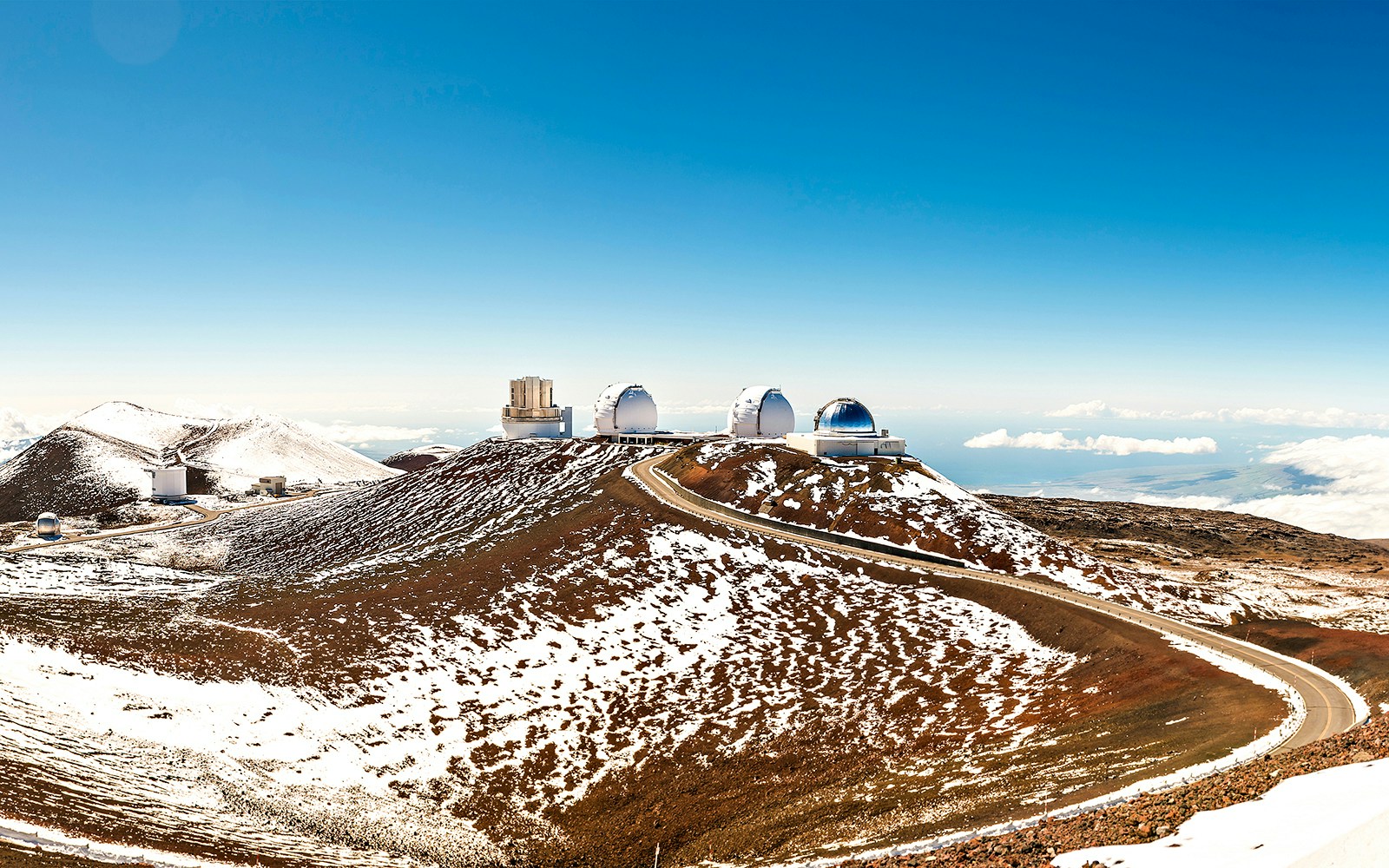
  • Some of the world’s most advanced observatories are located here, including telescopes from 11 different countries.
  • You can see up to 90% of the observable universe from Mauna Kea on a clear night, thanks to its exceptionally dark skies.

Route of your Mauna Kea stargazing tour

<Map>

Pickup from designated spots → Drive up Mauna Kea → Picnic dinner → Summit for sunset → Drive down → Stargazing stop → Hot chocolate & telescopes → Return to pickup point
Plan you visit

Timings
Directions
Accessibility
Facilities
Rules
  • Operating hours: Daily 1:40pm to 10:10pm

Best time to go on a Mauna Kea stargazing tour:

  • Weekdays vs. weekends: Weekdays generally offer a quieter, more relaxed experience with fewer vehicles at the summit and more space around the telescope during stargazing. Weekends tend to draw more visitors, especially around sunset, creating a livelier atmosphere but also a more crowded summit and stargazing area.
  • Peak season vs. low season: Peak season in Hawaiʻi typically falls between December–April and June–August, when the island sees higher visitor numbers and tours fill up quickly. The low season, usually May, September, and October, brings lighter crowds and more comfortable pacing at the summit.

  • Meeting points: Tours depart from several convenient pickup locations marked here on the Maps | Find on Maps
  • Location: The Visitor Information Station serves as the gateway for summit excursions and stargazing sessions.

How to get there:

  • Tour transportation: Public transportation is limited in this region, so taking the tour bus from select pick-up points is recommended.
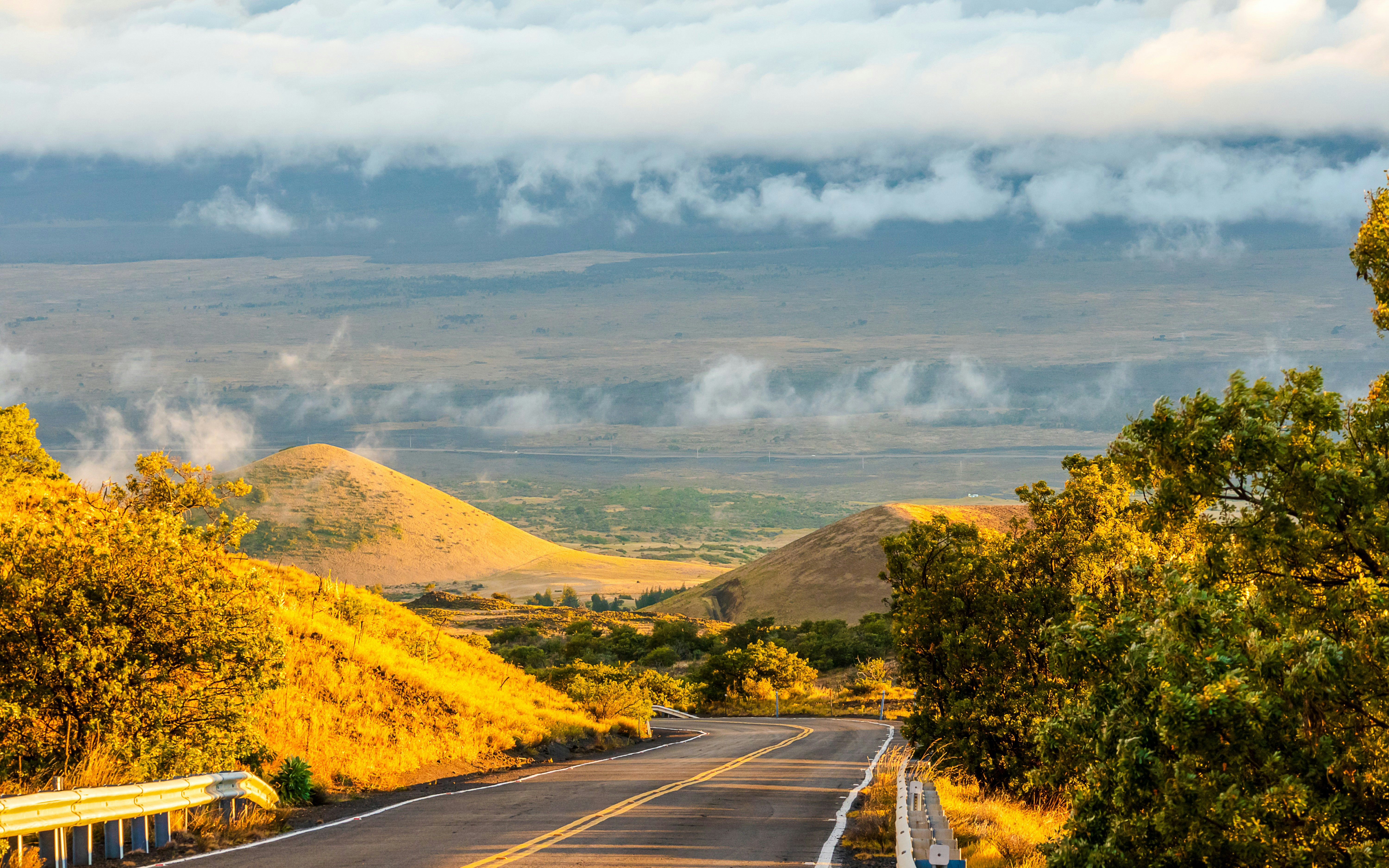
  • By car: From Hilo, follow Saddle Road (Route 200) for roughly 35 miles, then turn onto Mauna Kea Access Road. The Visitor Station sits about 6 miles up the mountain.
  • You should be comfortable walking short distances on uneven or rocky ground during different parts of the tour.
  • Due to high altitude, this experience is not recommended for individuals with heart, respiratory, or circulatory issues, anyone who is pregnant, or travelers in poor health.
  • Children under 13 are not permitted on the tour for safety reasons related to altitude and conditions at the summit.
  • The weather can change quickly, and the summit road may close without notice, which may affect accessibility during your visit.
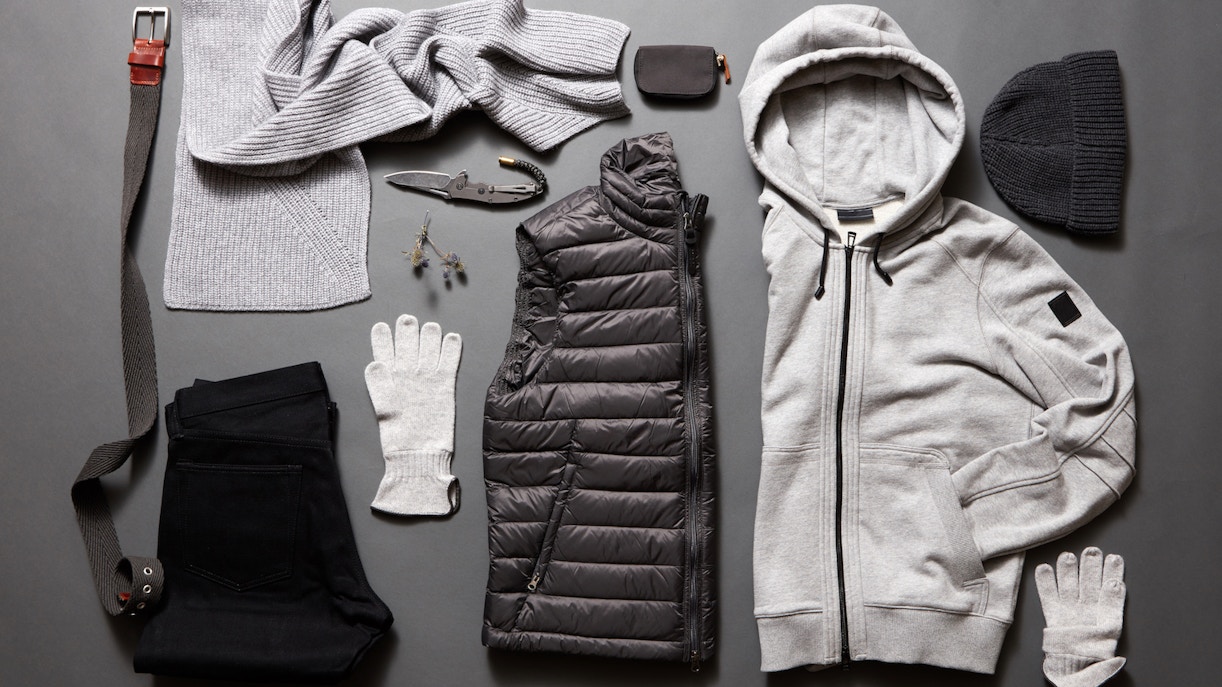
  • You will be provided with warm winter parkas, gloves, and additional cold-weather gear to ensure comfort at high elevations.
  • A warm picnic dinner is included before heading up to the summit, and hot chocolate with a sweet treat is served during stargazing.
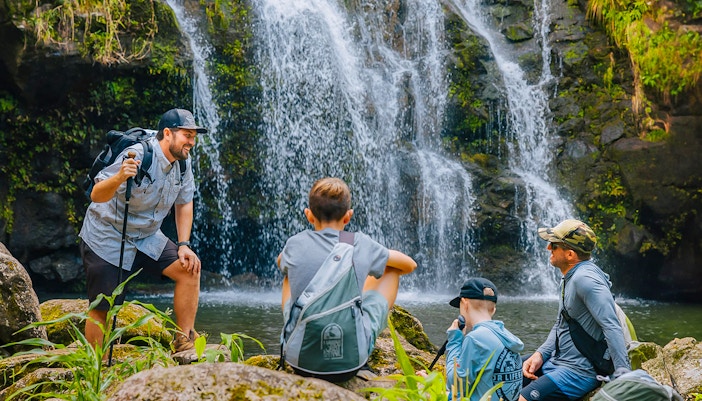
  • Small group sizes of up to 12 guests ensure a more personalized experience with easier access to the guide and equipment.
  • The tour offers access to two high-quality telescopes: an 11” Celestron optical telescope and a Stellina digital telescope for deep-space viewing.
  • The summit experience is dependent on weather and road conditions, and access cannot be guaranteed if authorities close the route.
  • You must follow the guide’s instructions at all times, particularly at higher elevations where safety protocols are in place.
  • The tour operates on uneven and sometimes muddy terrain, so you should be prepared for varying outdoor conditions.
  • Return transportation must be arranged in advance, as tours end late in the evening and pickup locations may not have taxi services readily available.

Visitor tips

  • Arrive well-rested and hydrated to help your body adjust to the significant elevation gain during the tour.
  • Wear sturdy, closed-toe shoes, as some areas involve walking on rocky or uneven surfaces.
  • Bring a reusable water bottle to stay hydrated throughout the journey.
  • Be prepared for rapidly changing weather; clear skies cannot be guaranteed, though guides will choose the best possible stargazing location.
  • If you’re sensitive to altitude, move slowly and inform your guide immediately if you feel lightheaded or unwell.
  • Charge your camera or phone beforehand, while the summit restricts extended exposure, you'll still want to capture views and the telescope images provided.

Frequently asked questions about the Mauna Kea stargazing tour

Are guests allowed to enter the Keck Observatories?

No, the observatories on Mauna Kea are currently closed to the public.

How cold does it get at the summit of Mauna Kea?

Summit temperatures typically hover around 32°F (0°C), but wind chill can make it feel significantly colder.

What kind of telescope is used for stargazing?

Your stargazing tour provides an 11” Celestron Schmidt-Cassegrain telescope, along with a Stellina digital telescope that captures deep-space images. Photos taken during your session will be emailed to you afterward.

Are children allowed on this tour?

You must be at least 13 years old due to the high altitude and safety requirements.

Is there a lot of walking involved?

Only a small amount of walking is required throughout the tour.

Can I explore the summit on my own?

No, due to safety rules and permit regulations, you must stay with the guide and vehicle and cannot wander off to explore independently.

What happens if the weather is cloudy?

The summit and visitor center often sit above the cloud layer, so visibility can still be good. Weather can shift quickly, and adapting to conditions is part of the experience.