English
USD
Language
Currency
Contents

Big Island through the ages: Culture, kingdoms, and change

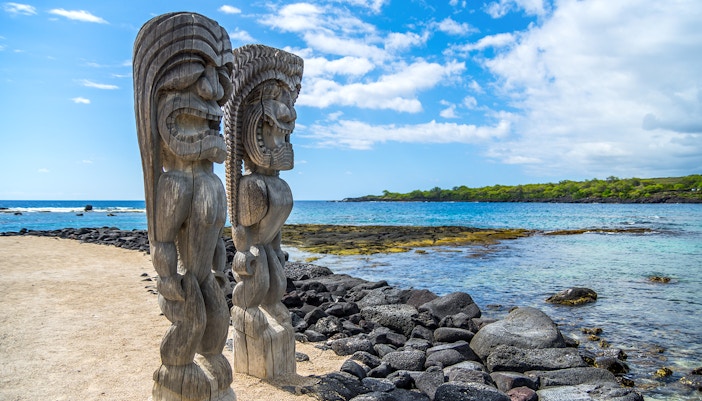
From the fiery birth of its volcanoes to the rise of powerful chiefs, the arrival of explorers, and the cultural renaissance of today, every corner of the island carries centuries of rich heritage. Here, ancient Hawaiian traditions, legendary figures like King Kamehameha I, and ongoing volcanic activity converge to create a living timeline that you can still see, feel, and experience. The Big Island offers a rare chance to step directly into Hawaiʻi’s past while watching its landscape continually evolve.

Big Island’s history | An overview of time-over-time

  • Approximately 1,000–1,200 CE: First Polynesian settlers arrive: Skilled navigators from the Polynesian islands settled on Hawaiʻi Island, establishing fishing villages, agricultural systems, and the early foundations of Hawaiian society.
  • Approximately 1,200–1,500 CE: Formation of Chiefdoms: Powerful aliʻi (chiefs) begin ruling distinct districts across the island. Early heiau (temples) and sophisticated irrigation systems like the Kohala Field System emerge.
  • Approximately 1,750–1810: Rise of King Kamehameha I: Born in Kohala on the Big Island, Kamehameha unified the Hawaiian Islands through diplomacy and warfare. The Big Island becomes the political center of the new Hawaiian Kingdom.
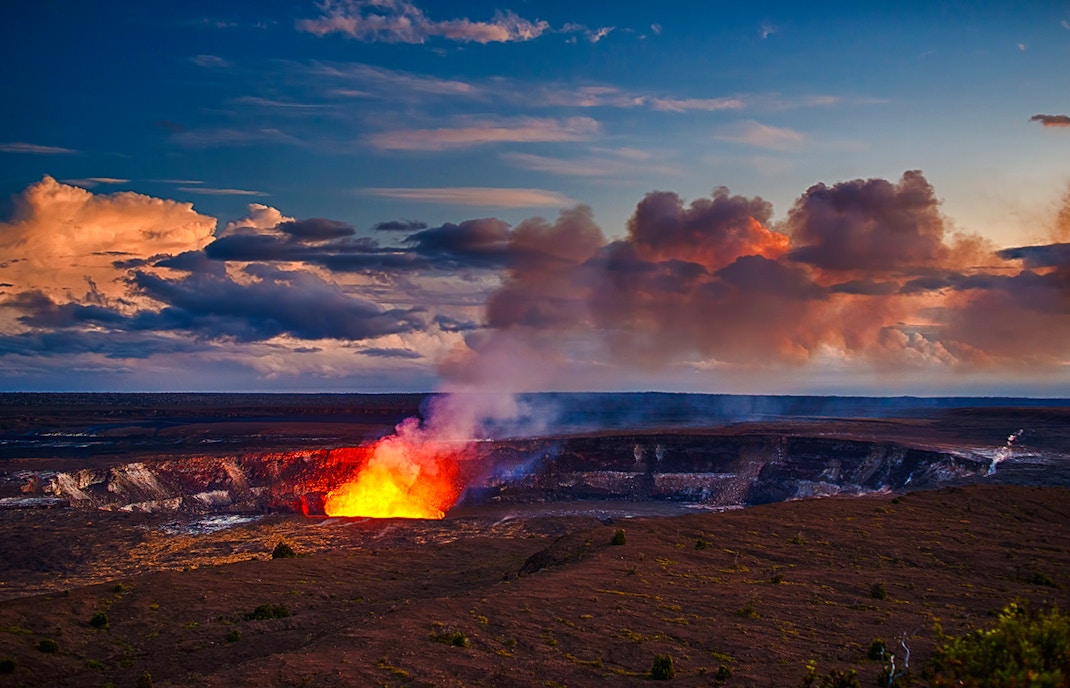
  • 1790: Keōua eruptions at Kīlauea: One of the deadliest volcanic events in Hawaiian history occurred during Kamehameha’s campaign, showcasing the island’s powerful volcanic forces.
  • 1819: Abolition of the kapu system: After Kamehameha I’s passing, his son Liholiho (Kamehameha II) ended the ancient kapu (taboo) system, transforming Hawaiian social and religious life forever.
  • 1820s–1850s: Missionaries arrive: American missionaries came to Kailua-Kona, introducing Western education, Christianity, new architecture, and the written Hawaiian language.
  • Late 1800s: Ranching & sugar plantations expand: The Big Island becomes the heart of Hawaiʻi’s ranching culture. home to Parker Ranch, and sugar production booms along Hāmākua and Hilo.
  • 1880–1881: Mauna Loa lava flow threatens Hilo: A long-lived eruption sends lava close to Hilo, famously documented by Princess Ruth Keʻelikōlani’s ceremonial pleas to the volcano goddess Pele.
  • 1916: Hawaiʻi Volcanoes National Park is established: The Big Island’s volcanic landscapes and ecosystems gain international protection, preserving Kīlauea and Mauna Loa for future generations.
  • 1946 & 1960: Devastating tsunamis hit Hilo: Two major tsunamis reshape Hilo’s coastline and city planning. The 1960 disaster led to the creation of Liliʻuokalani Park & Gardens and the Waiākea Peninsula redesign.
  • 1983–2018: Kīlauea’s legendary eruptive era: One of the world’s longest eruptions transforms the island, creating new land, covering towns like Kalapana, and drawing global scientific attention.
  • 2018: Lower Puna eruption reshapes the landscape: A major eruption opens 24 fissures, destroying neighborhoods, creating a new coastline, and shifting the island’s geography.
  • Present day: Cultural revival & sustainable tourism: The Big Island embraces its deep cultural roots through Hawaiian language revitalization, fishpond restoration, and eco-focused tourism that honors the land

Major events that shaped the Big Island

Early Polynesian settlement & ancient Hawaii

Arrival of the first settlers (Approximately 400–800 AD)

  • Polynesian voyagers arrived on Hawaiʻi Island using celestial navigation, establishing the earliest known settlements. They brought with them crops like taro and breadfruit, shaping the island’s agricultural foundation.

Rise of powerful chiefdoms (Approximately 1000–1600 AD)
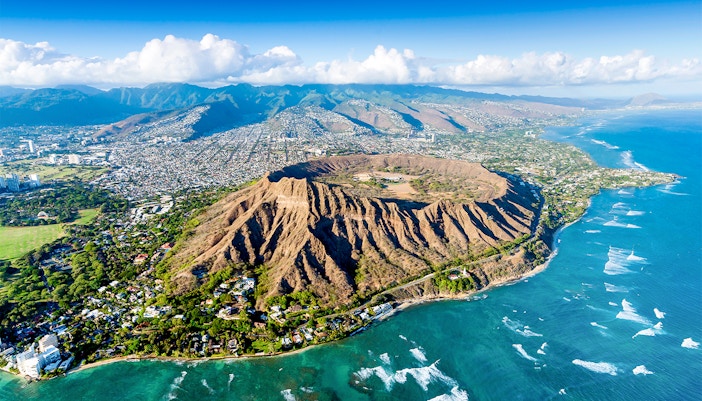
  • The Big Island became home to some of the most influential aliʻi (chiefs), developing complex societies, advanced aquaculture systems, and extensive heiau (temple) networks.

Kamehameha the Great & Unification of Hawaiʻi

Birth of Kamehameha I (mid-1700s)

  • Kamehameha I was born in Kohala on the Big Island, a figure destined to unite the Hawaiian Islands under one rule.

Puʻukoholā Heiau completion (1791)

  • Built by Kamehameha to fulfill a prophecy, this massive heiau played a major role in solidifying his power and leading to the unification of the islands.

Unification of Hawaiʻi (1795–1810)

  • Kamehameha used the Big Island as his base to launch campaigns that eventually unified the Hawaiian Islands into a single kingdom.

Cultural Transformation & the End of Ancient Practices

Fall of the Kapu System (1819)

  • Kamehameha II abolished the kapu system, ending strict religious laws and gender-based dining restrictions. This decision reshaped Hawaiian society and religious life.

Arrival of missionaries (1820)

  • The first Christian missionaries landed on the Big Island at Kailua-Kona, leading to major cultural, educational, and religious changes across Hawaiʻi.

Volcanic Events & Scientific Exploration

Destruction of Keōua's warriors (1790)

  • Kīlauea’s explosive eruption killed hundreds of warriors, making it one of the only volcanic events in recorded history tied directly to a military conflict.

Establishment of Hawaiʻi Volcanoes National Park (1916)

  • Kīlauea and Mauna Loa’s global geological significance led to the creation of one of America’s earliest national parks, protecting volcanic landscapes and native ecosystems.

Mauna Loa & Kīlauea eruptions (20th–21st century)
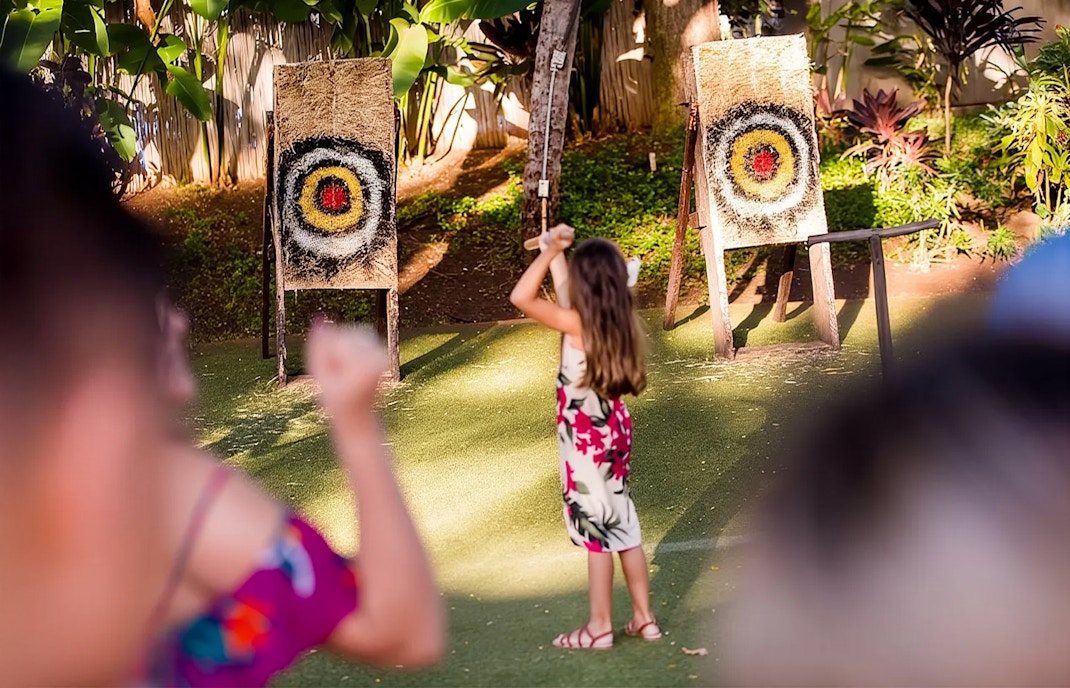
  • The Big Island has experienced continuous activity, from Mauna Loa’s major eruptions in 1950 & 1984 to Kīlauea’s historic 2018 eruption that reshaped the island’s coastline.

Cultural Revival & Modern Developments

Hawaiian Renaissance (1970s–Present)

  • Hawaiian language, hula, navigation, and cultural practices surged back to the forefront, with the Big Island playing a major role in cultural preservation.

Imiloa Astronomy Center opens (2006)

  • Hilo’s Imiloa Center symbolizes the meeting of traditional Polynesian navigation and modern astronomy, reflecting the Big Island’s unique role as a global hub for stargazing and space science.

Continued debate over Mauna Kea (2010s–Present)
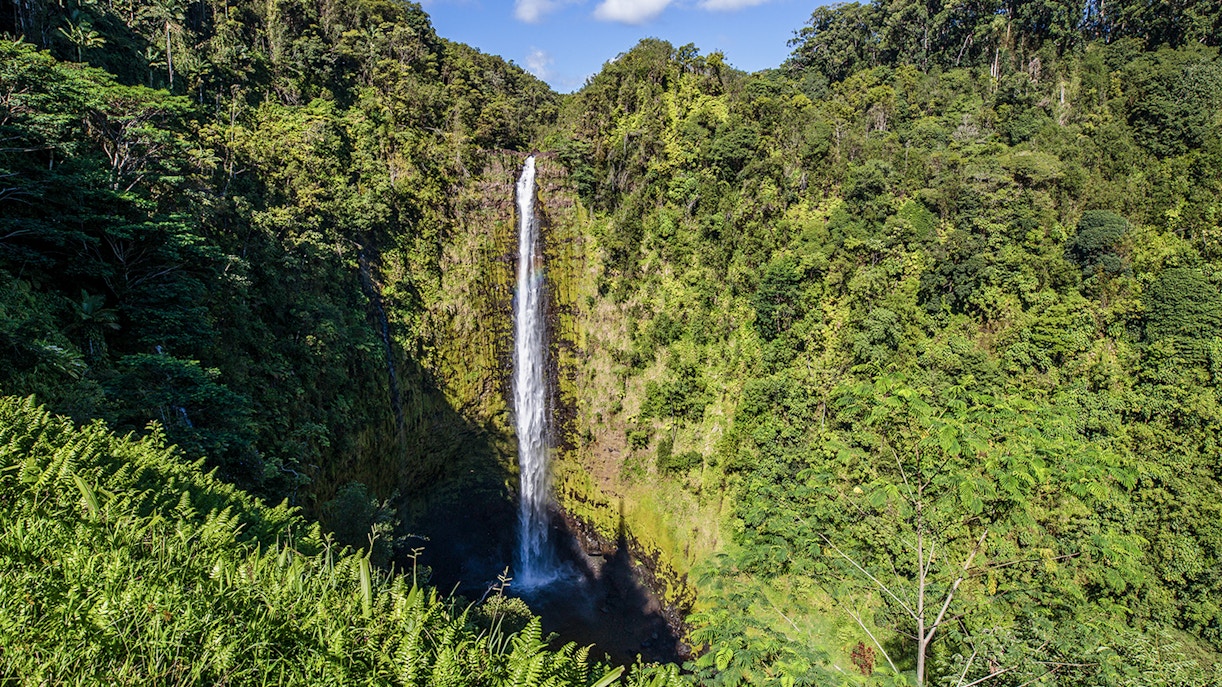
  • Mauna Kea remains a focal point for discussions on cultural preservation, science, and stewardship, with the Big Island at the center of both astronomy and Native Hawaiian advocacy.

Big Island at present

Today, the Big Island is a vibrant blend of ancient culture, natural wonders, and modern island living. It remains Hawaiʻi’s most geologically active island, home to Kīlauea and Mauna Loa, two of the world’s most famous volcanoes, drawing travelers from across the globe to witness its ever-changing landscapes.

Hilo and Kona serve as the island’s main hubs, offering farmers’ markets, museums, coffee farms, breweries, and waterfront dining. Meanwhile, rural regions like Hāmākua, Kohala, and Kaʻū preserve the island’s traditional lifestyle with ranches, taro fields, and historic sugar plantation towns.


Book Big Island tours

Big Island: Hakalau Forest Birdwatching Tour
Free cancellation
Book now, pay later
12 hr
Meals included
More details
from
$230.37
Big Island: Volcano, Chocolate & Waterfall Tour
Free cancellation
Book now, pay later
11 hr
Meals included
More details
from
$247.12
Big Island: Hidden Craters Hike
Free cancellation
Book now, pay later
5 hr
More details
from
$159.16
Big Island: Kohala Waterfalls Tour
Free cancellation
Book now, pay later
7 hr 30 min
Meals included
More details
from
$213.61
Big Island: Kohala Canopy Zipline Tickets
Free cancellation
Book now, pay later
3 hr
More details
from
$205.24
Big Island: Kohala Waterfalls and Canopy Zip & Dip Tour
Free cancellation
Book now, pay later
8 hr
Meals included
More details
from
$289.01

Frequently asked questions about the history of the Big Island

Why is the Big Island important in Hawaiian history?

It is the birthplace of King Kamehameha I, the ruler who unified the Hawaiian Islands. Many pivotal political, cultural, and spiritual events took place here, cementing the island’s role as the heart of Hawaiian heritage.

What makes the Big Island historically different from the other Hawaiian Islands?

It has an unmatched concentration of sacred sites, royal residences, ancient temples (heiau), and active volcanic landscapes that played major roles in Hawaiian mythology and cultural practices.

What role did the volcanoes play in Hawaiian history?

Kīlauea and Mauna Loa were not only geological forces but deeply spiritual places tied to Pele, the Hawaiian goddess of fire. Volcanic eruptions impacted settlement patterns, agriculture, and religious practices.

Is Hualālai or Mauna Loa still active?

Yes, both are active volcanoes. Mauna Loa last erupted in 2022, and while Hualālai’s last eruption was in 1801, it is still considered active.

Are any ancient Hawaiian practices still observed today?

Yes. Hula, canoe building, storytelling, traditional agriculture, and navigation all continue to thrive. Many community initiatives work to preserve the island’s cultural legacy.