English
English




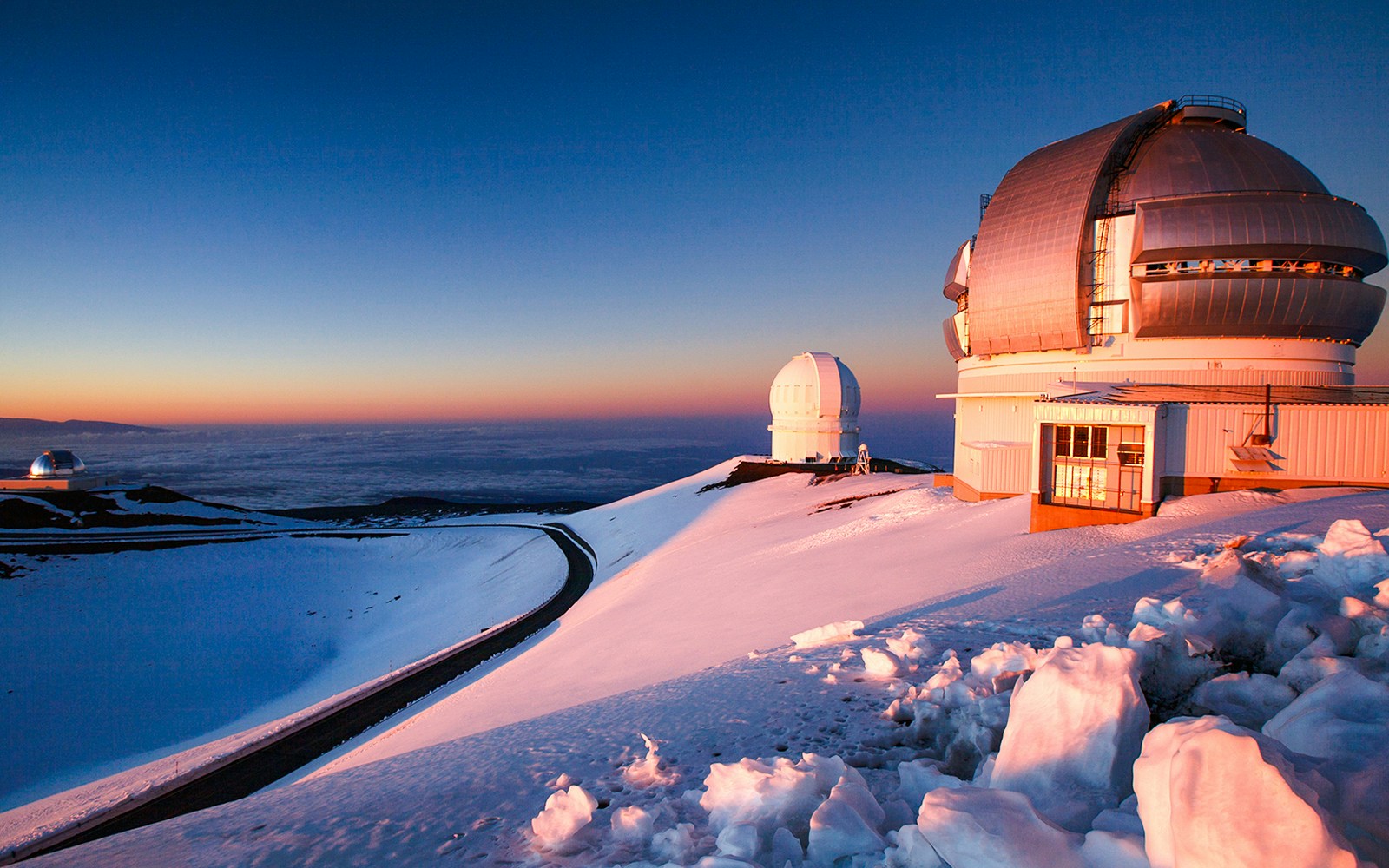
Experience one of the clearest night skies on Earth atop Mauna Kea. As you gaze through a world-class telescope, you’ll see constellations, planets, and the Milky Way shimmer above the island’s volcanic peaks.
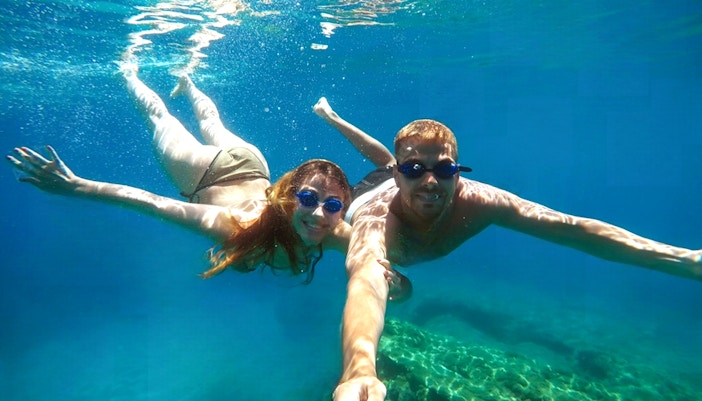
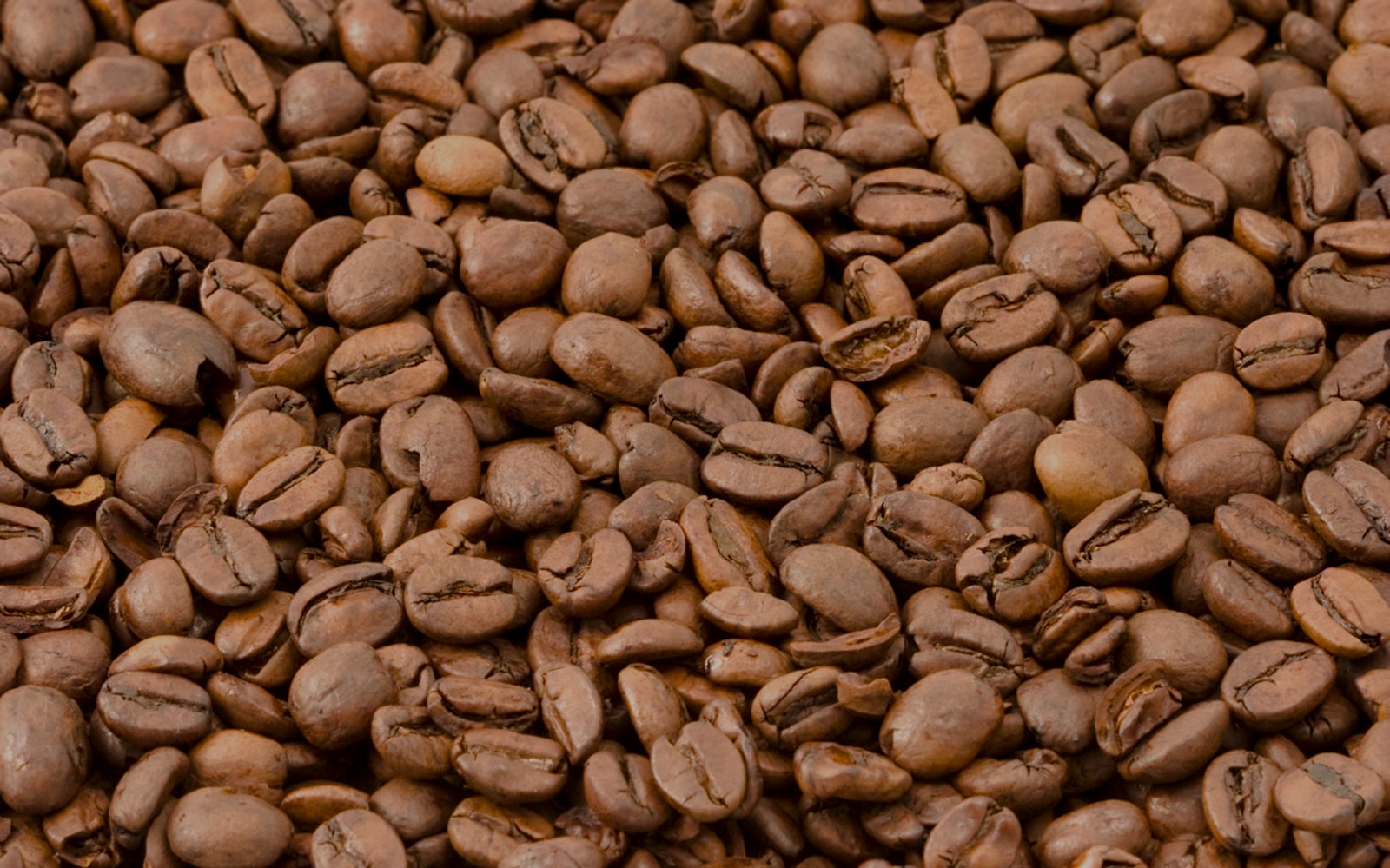
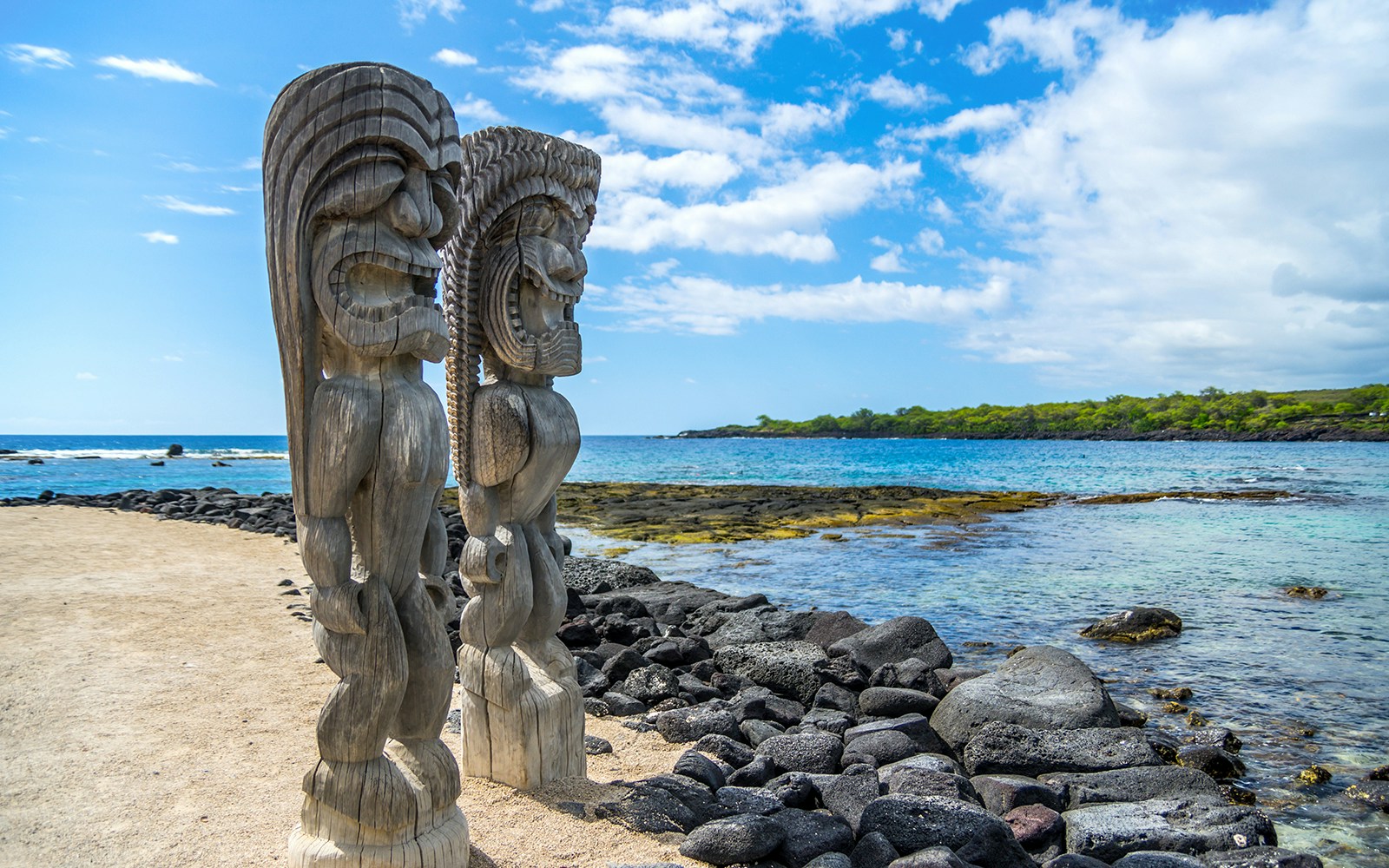
Known for its sunny weather and stunning ocean views, the Kona Coast is famous for coffee farms, snorkeling, and historical landmarks. Visitors can explore Puʻuhonua o Hōnaunau National Historical Park, swim with manta rays in Keauhou Bay, and tour world-renowned Kona coffee plantations.
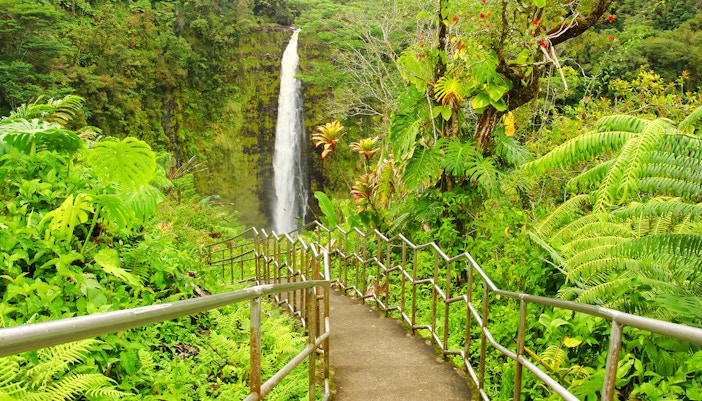
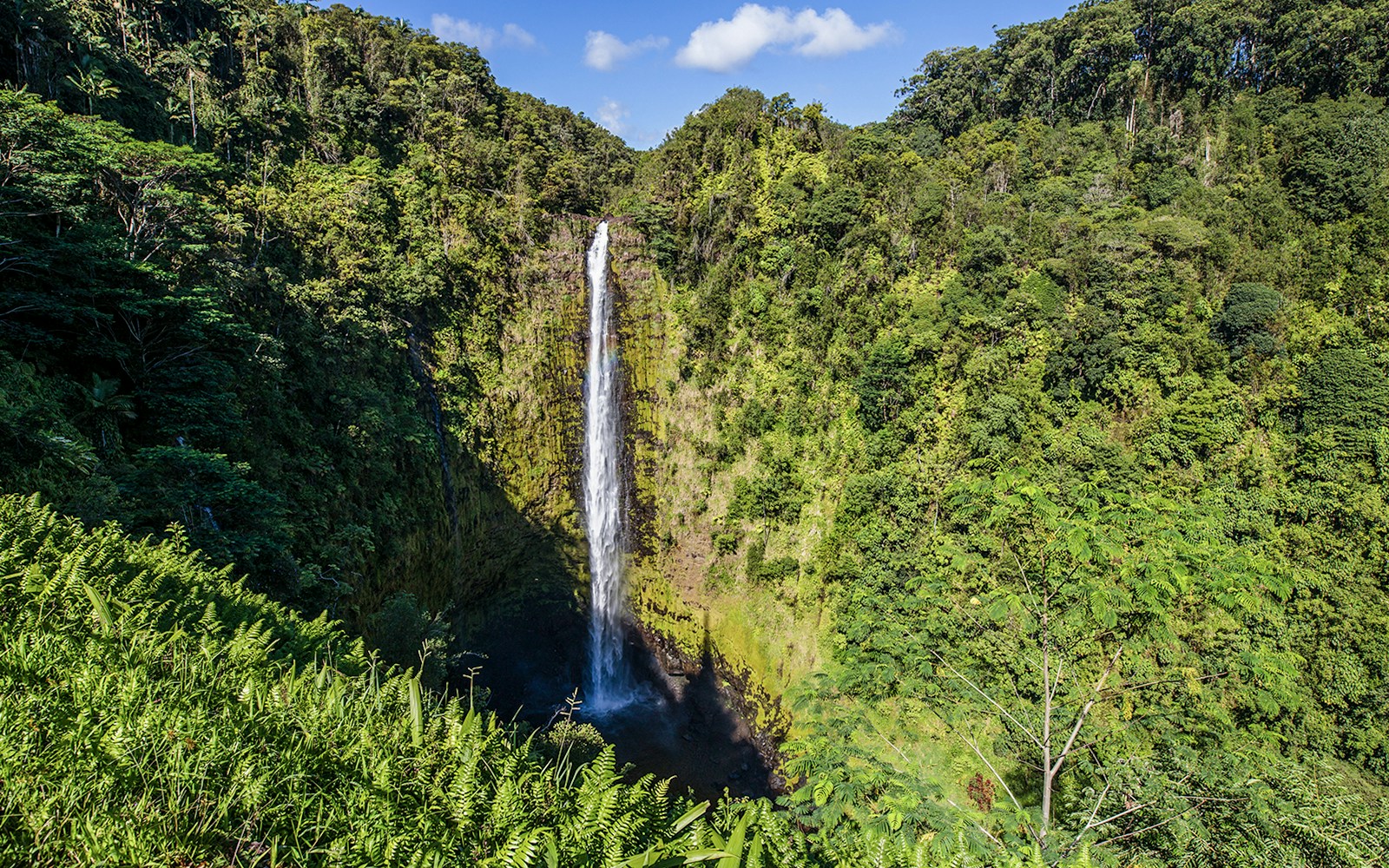
Hilo is lush, tropical, and full of local charm. It’s home to spectacular waterfalls like Rainbow and Akaka Falls, beautiful botanical gardens, and cultural gems such as the Lyman Museum. The area often sees rainfall, feeding its greenery and making it the island’s most vibrant region.
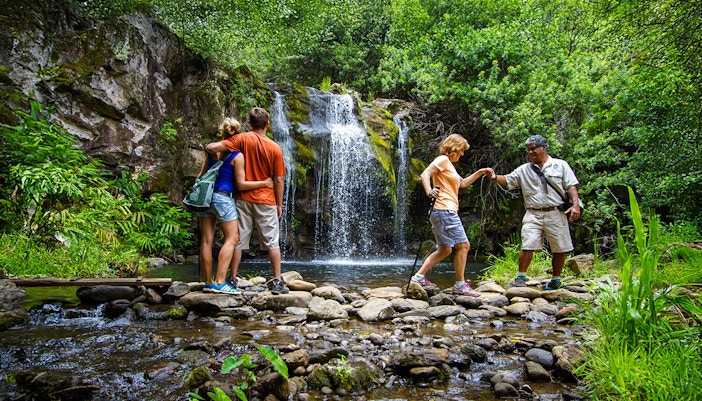
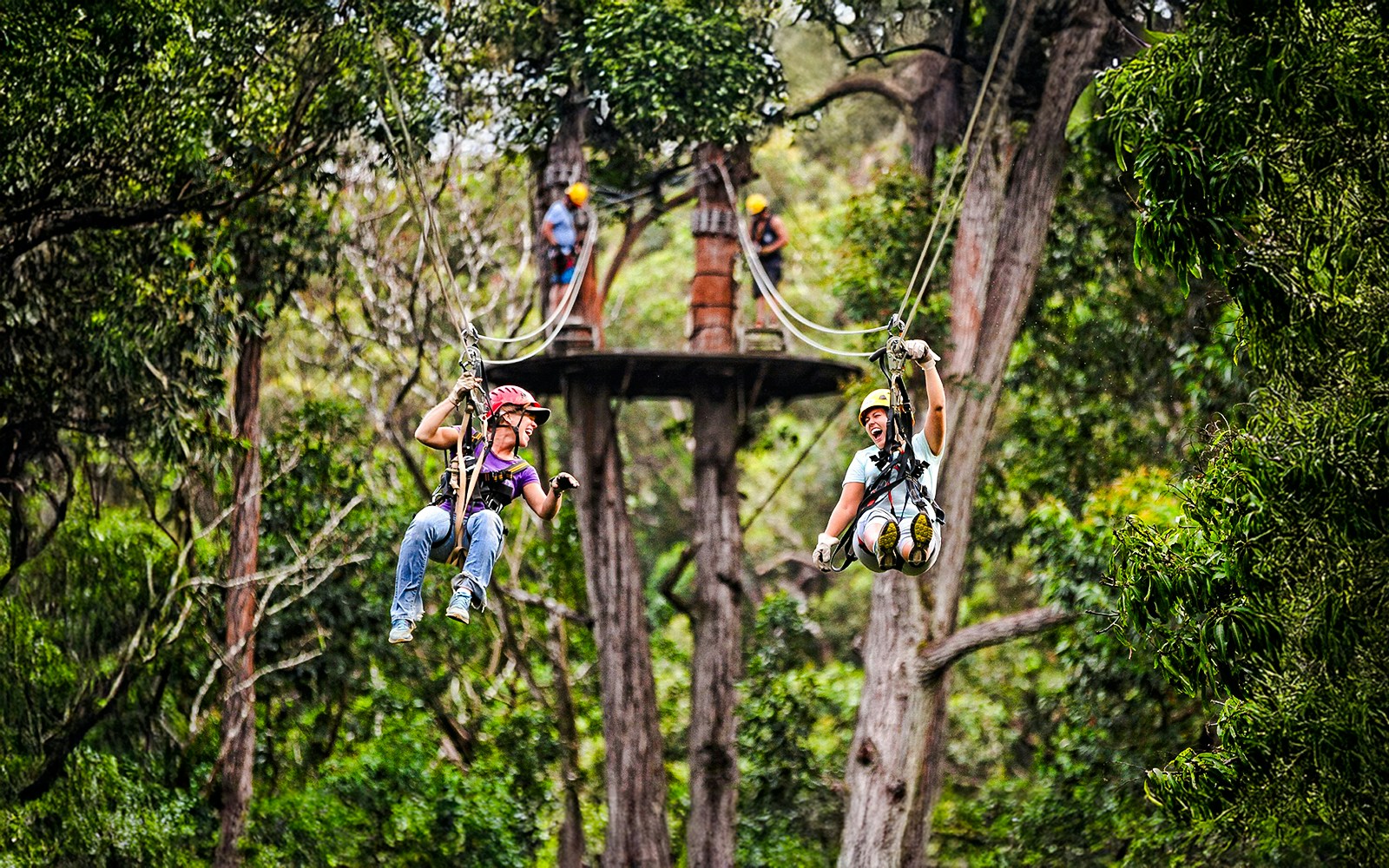
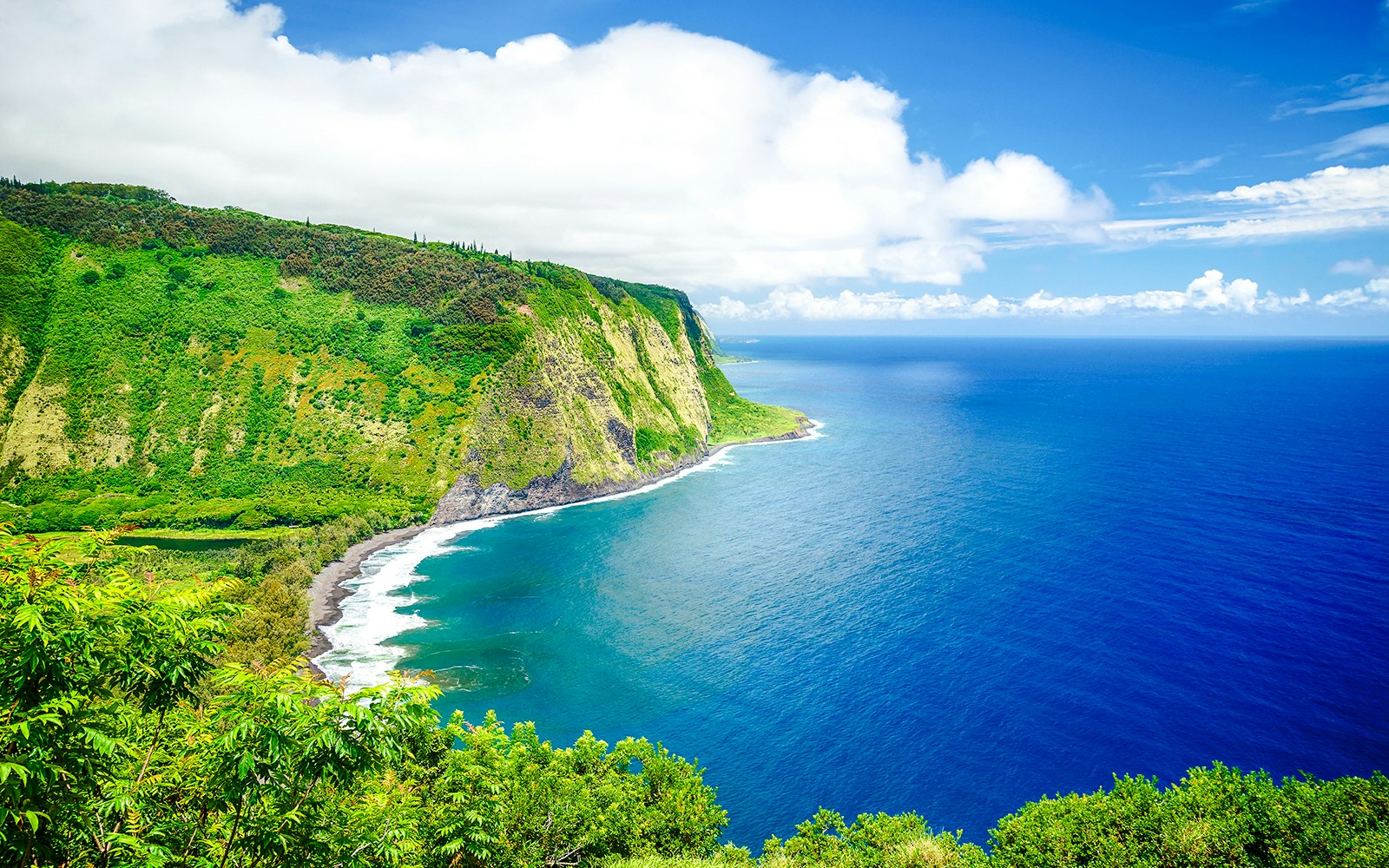
Steeped in history and natural beauty, Kohala is divided into North and South Kohala. North Kohala offers dramatic cliffs, verdant valleys, and historic sites tied to King Kamehameha I. South Kohala is home to luxury resorts, pristine beaches, and the stunning Kohala Coast, great for ziplining, waterfall adventures, and scenic drives.
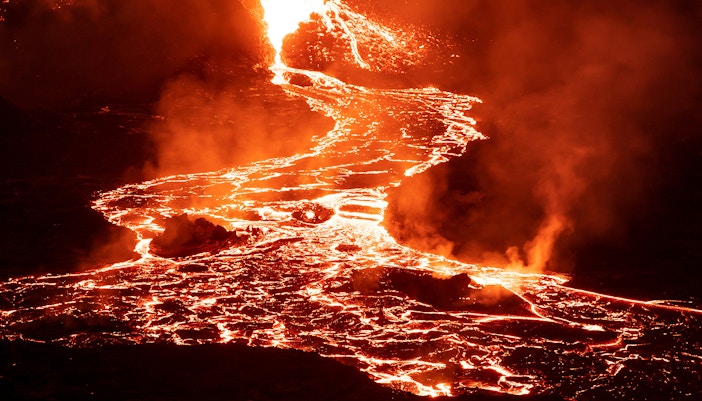
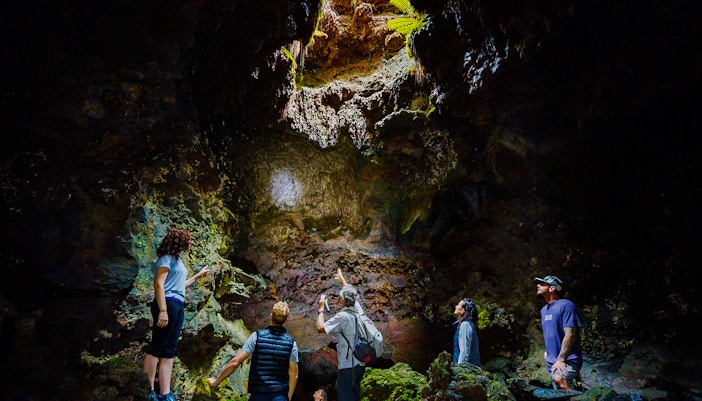
Centered around Hawaiʻi Volcanoes National Park, this region showcases the island’s volcanic power. Visitors can walk through lava tubes, explore smoking craters, and witness new land being formed by active volcanoes like Kīlauea. The small town of Volcano Village offers cozy lodges and local art galleries.
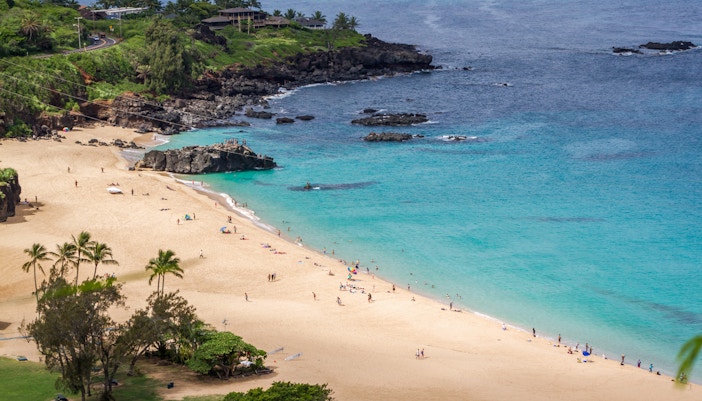
This high-elevation region offers rolling green pastures, paniolo (Hawaiian cowboy) heritage, and cooler temperatures. Waimea is surrounded by sprawling ranch lands and provides easy access to both the Kohala Coast and Mauna Kea’s stargazing adventures.
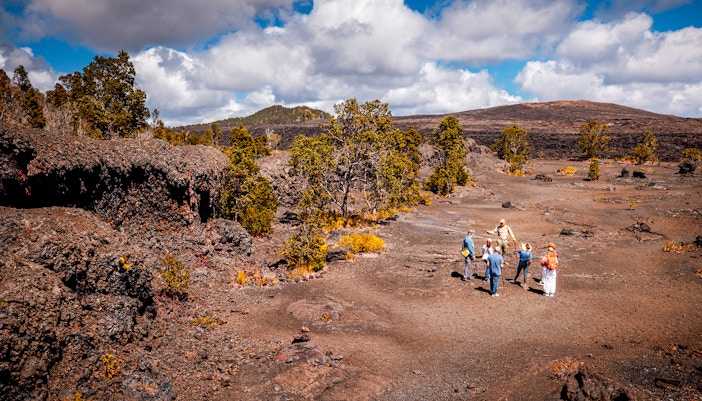
A haven for off-the-beaten-path explorers, Puna features rugged lava fields, geothermal hot springs, black sand beaches, and artistic communities. It’s also home to dramatic coastal drives and remnants of recent lava flows that have reshaped the landscape.
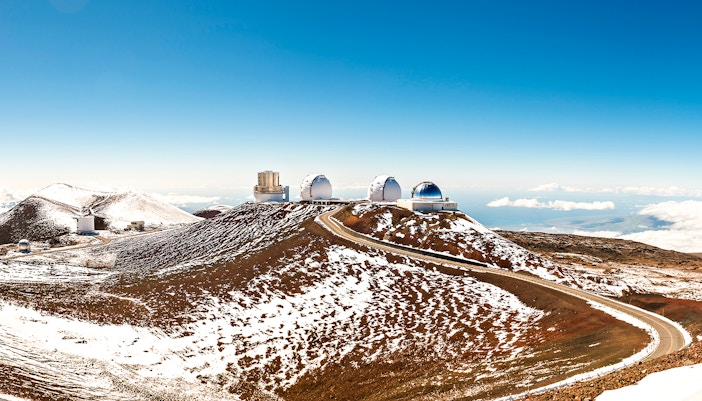
Experience one of the world’s clearest night skies atop Mauna Kea. Watch as the stars, planets, and constellations unfold above the clouds with expert guides who share celestial stories and telescope views.
Duration: 5–6 hours
Recommended experience:.
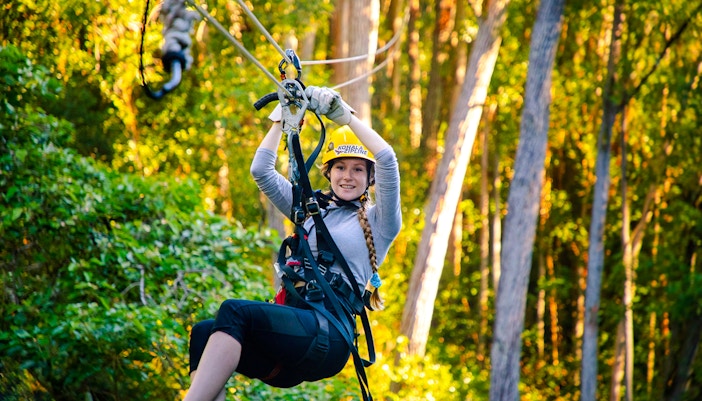
Soar through lush treetops and cross suspension bridges on an eco-friendly zipline course set in the heart of Kohala’s rainforest. Enjoy panoramic views, native flora, and a thrilling yet safe adventure led by expert guides.
Duration: 3 hours
Recommended experience:
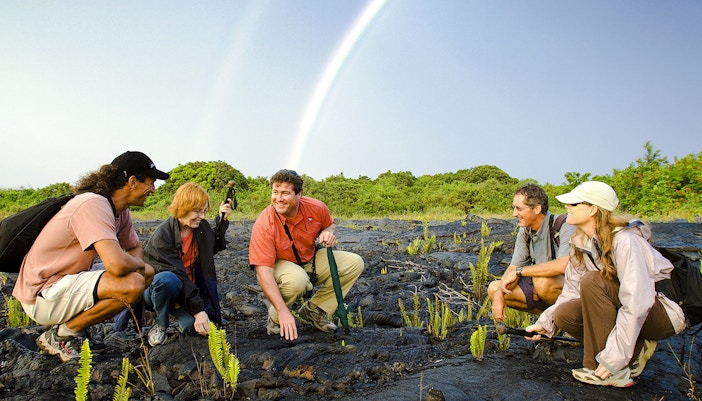
Discover how cacao becomes chocolate on a guided farm-to-bar experience. Stroll through tropical orchards, taste freshly harvested cacao, and sample handmade Hawaiian chocolate while learning about sustainable farming.
Duration: 2–3 hours
Recommended experience:
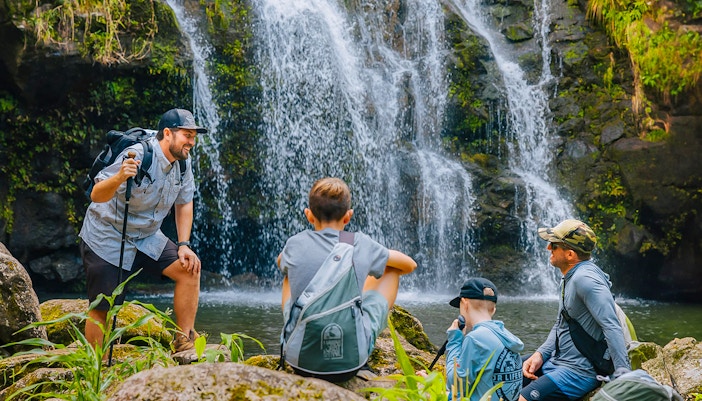
Explore private nature reserves and hidden valleys as you hike to Kohala’s stunning waterfalls. Swim in crystal-clear pools and enjoy a picnic surrounded by Hawaii’s breathtaking natural beauty.
Duration: 5 hours
Recommended experience:
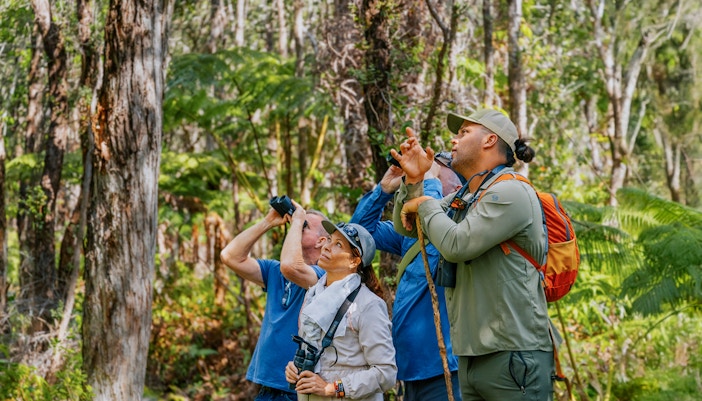
Join expert naturalists for a rare chance to spot Hawaii’s endangered native birds in the pristine Hakalau Forest. Witness species found nowhere else on Earth while learning about local conservation efforts.
Duration: 4–5 hours
Recommended experience:
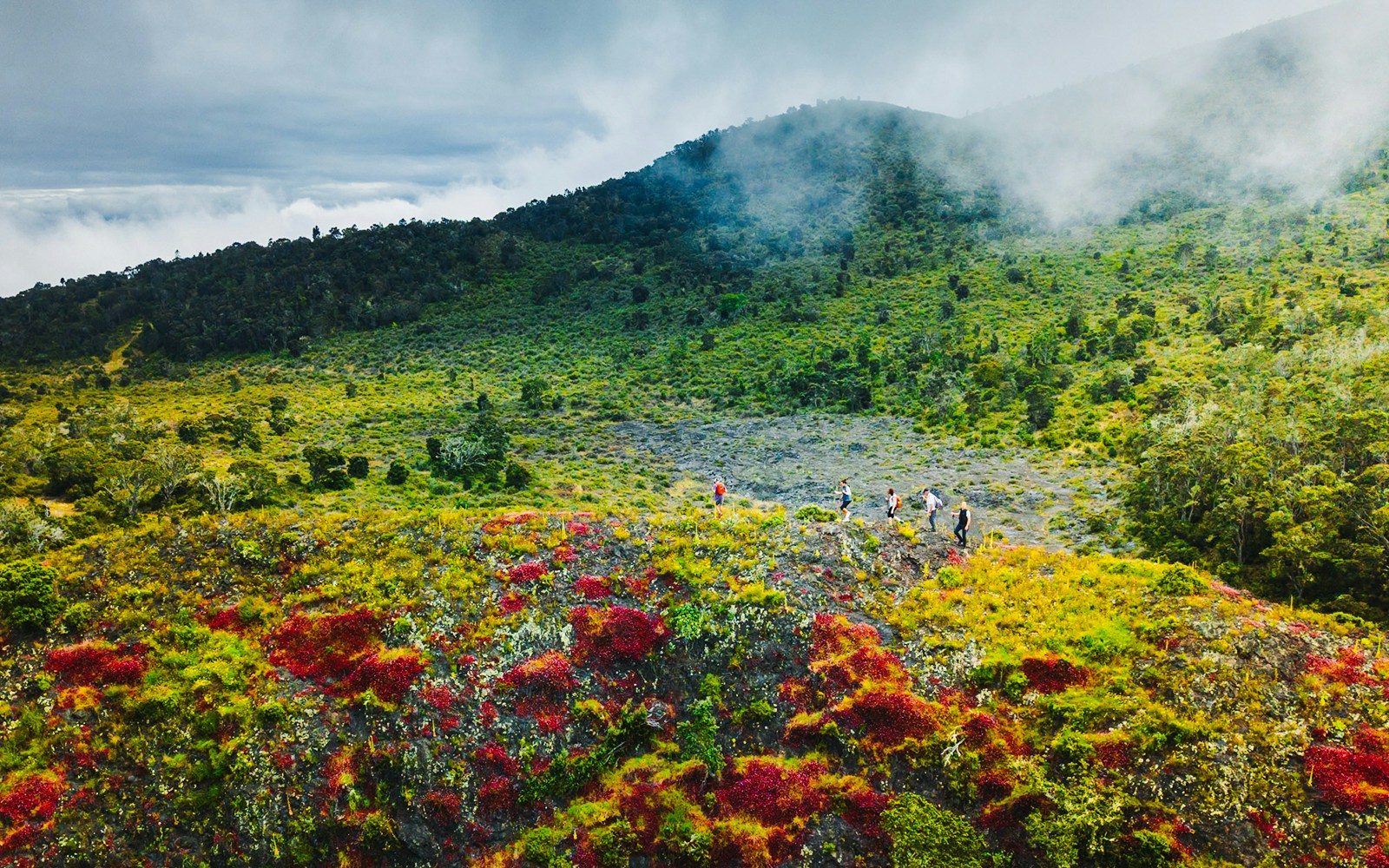
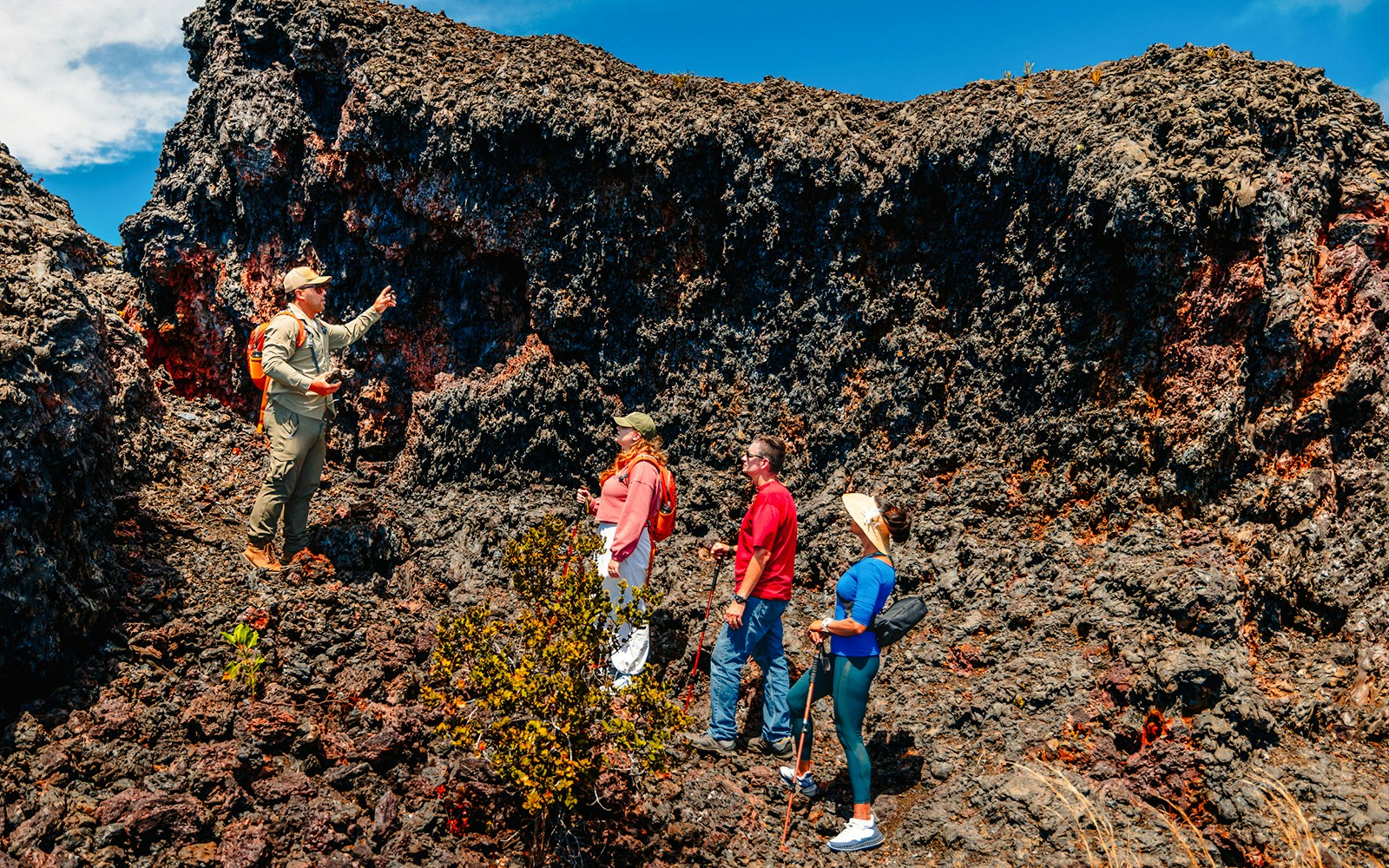
Embark on an off-road adventure across volcanic landscapes to discover hidden craters, ancient lava fields, and panoramic coastal views. Gain insight into the Big Island’s geologic history from your knowledgeable guide.
Duration: 4 hours
Recommended experience:

Officially known as Hawai‘i Island, it’s called “the Big Island” to distinguish it from the state name and because it’s more than twice the size of all the other Hawaiian islands combined.
Yes. Hawai‘i Volcanoes National Park is closely monitored, and you are only allowed in safe areas. Watching volcanic activity from designated viewing points during the tour is both safe and unforgettable.
The Big Island is a year-round destination. However, April to October offers the best weather for outdoor adventures like hiking, snorkeling, and ziplining, while winter months bring calmer crowds and great stargazing at Mauna Kea.
It depends on volcanic activity. When eruptions occur, lava flows can often be seen glowing at night from designated viewpoints within Hawai‘i Volcanoes National Park.
At least 4 to 5 days are recommended to explore both sides of the island, from Kona’s beaches and coffee farms to Hilo’s rainforests and waterfalls.
Mauna Kea is one of the world’s premier stargazing sites. At nearly 14,000 feet, it offers crystal-clear skies and an awe-inspiring view of the stars and galaxies.
Popular activities include ziplining through tropical forests, birdwatching in native habitats, tree-to-bar chocolate tours, hiking hidden craters, stargaze at Mauna Kea, and exploring stunning waterfalls.


